
Cost
Kraft Price Rise: What Box Buyers Can Control
Kraft paper rose 22–35% in India in 2026, and paper is about 75–80% of a box's cost. Here are the three things a box buyer can still control.

Writer

Twenty-two years in packaging, most of it on paper and paperboard: how a board carries load, why a specification is what it is, and where the cost quietly leaks out.
corrugated packagingkraft paper and paperboardbox compression strengthpackaging cost reductionpaper specificationspackaging procurement
Kraft paper rose 22–35% in India in 2026, and paper is about 75–80% of a box's cost. Here are the three things a box buyer can still control.
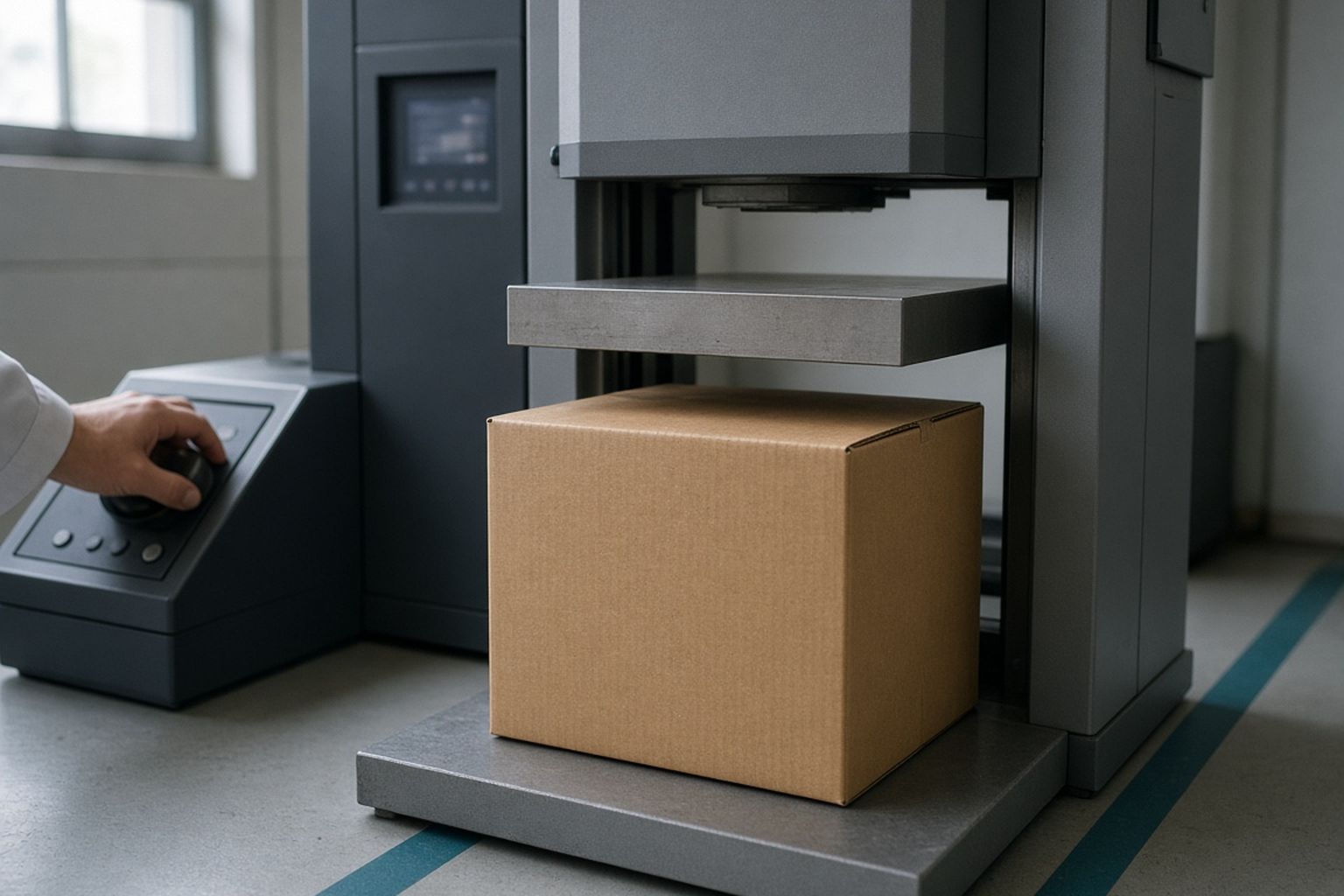
Burst, edge crush and box compression strength measure three different things. Only one tells you whether a stack in your warehouse will hold.
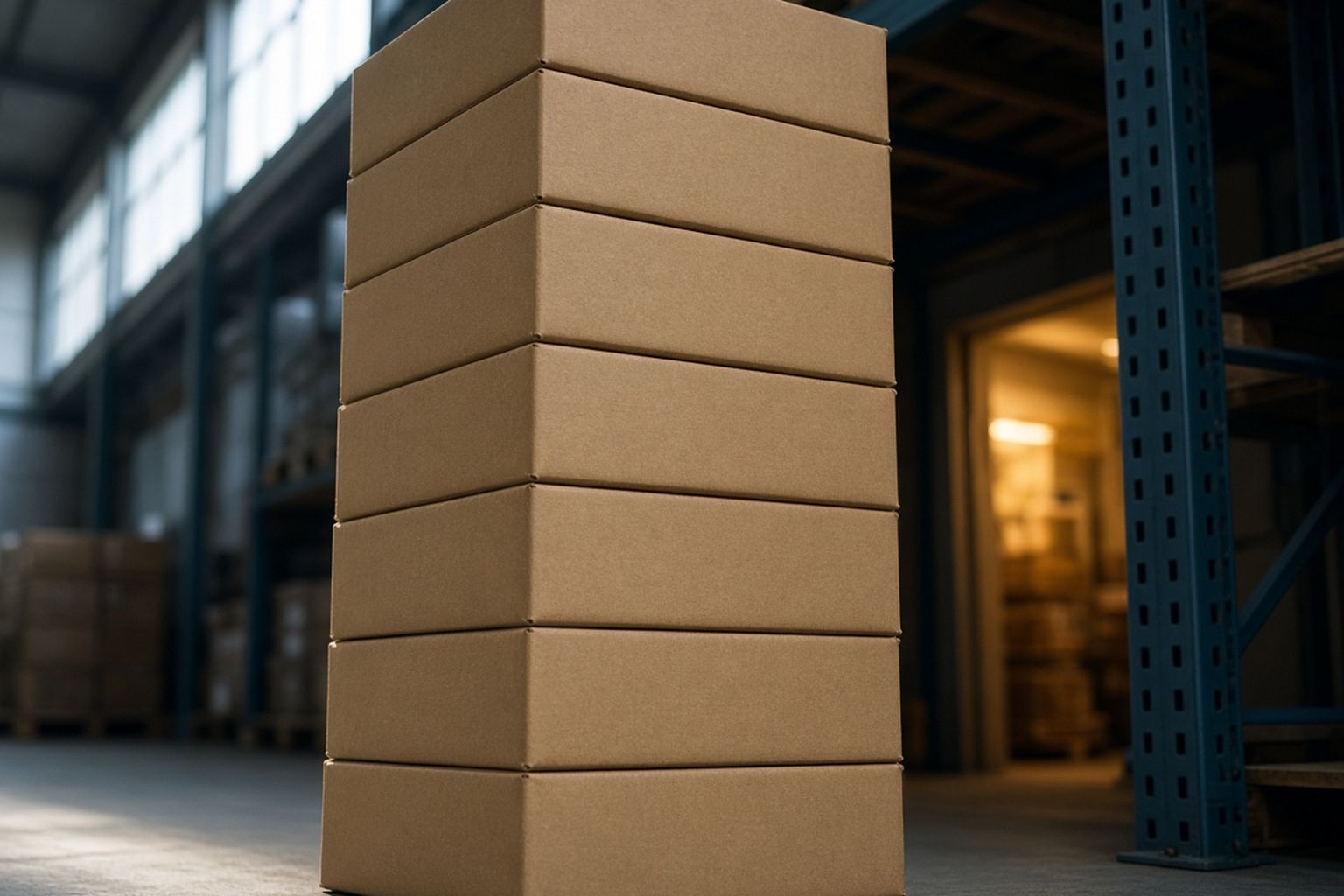
Your safety factor is box compression strength divided by the load the box actually carries. Most buyers never work out that load at all.
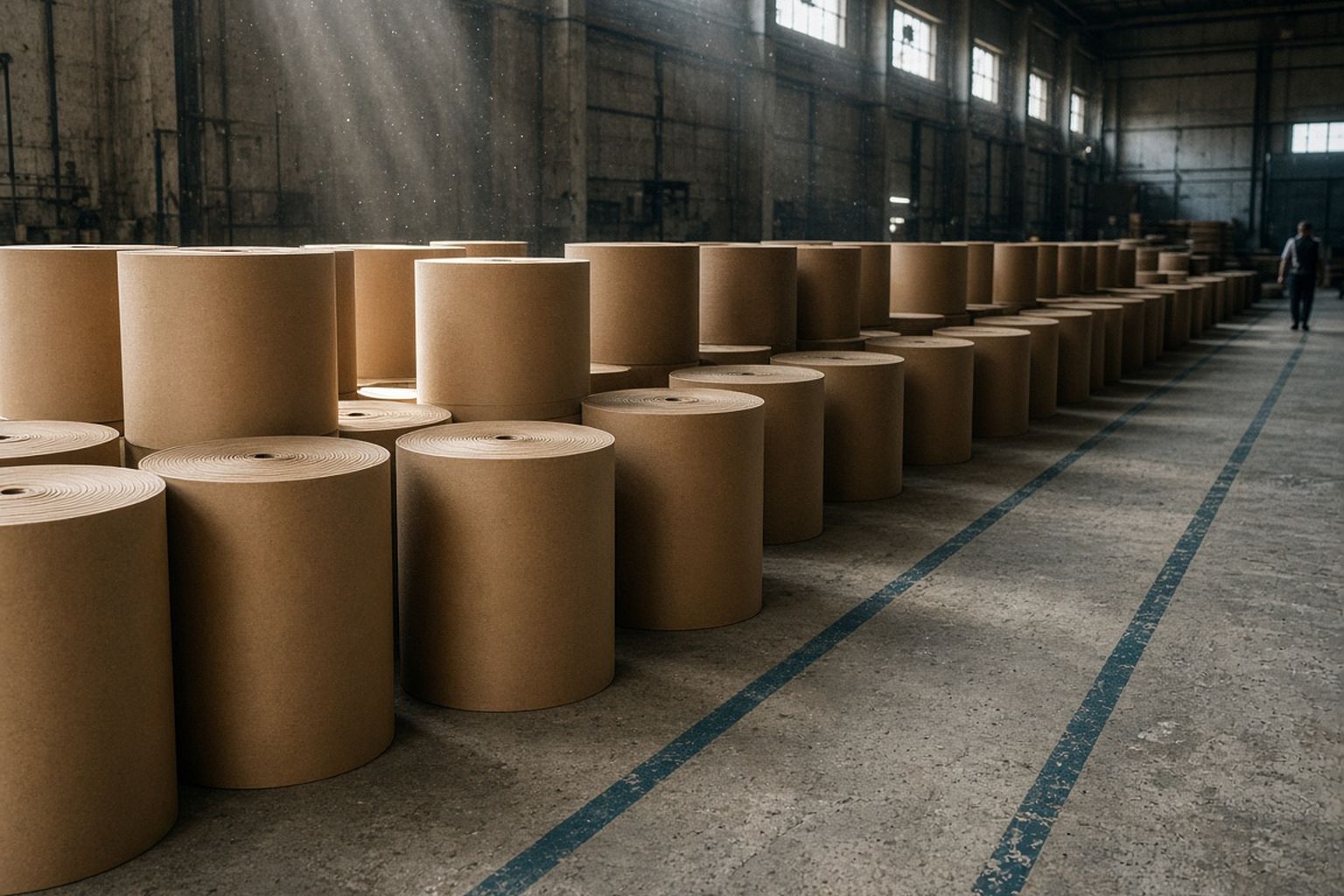
A five-ply board has more usable paper combinations than any buyer can check by hand, which is why so many specifications go unexamined for years.
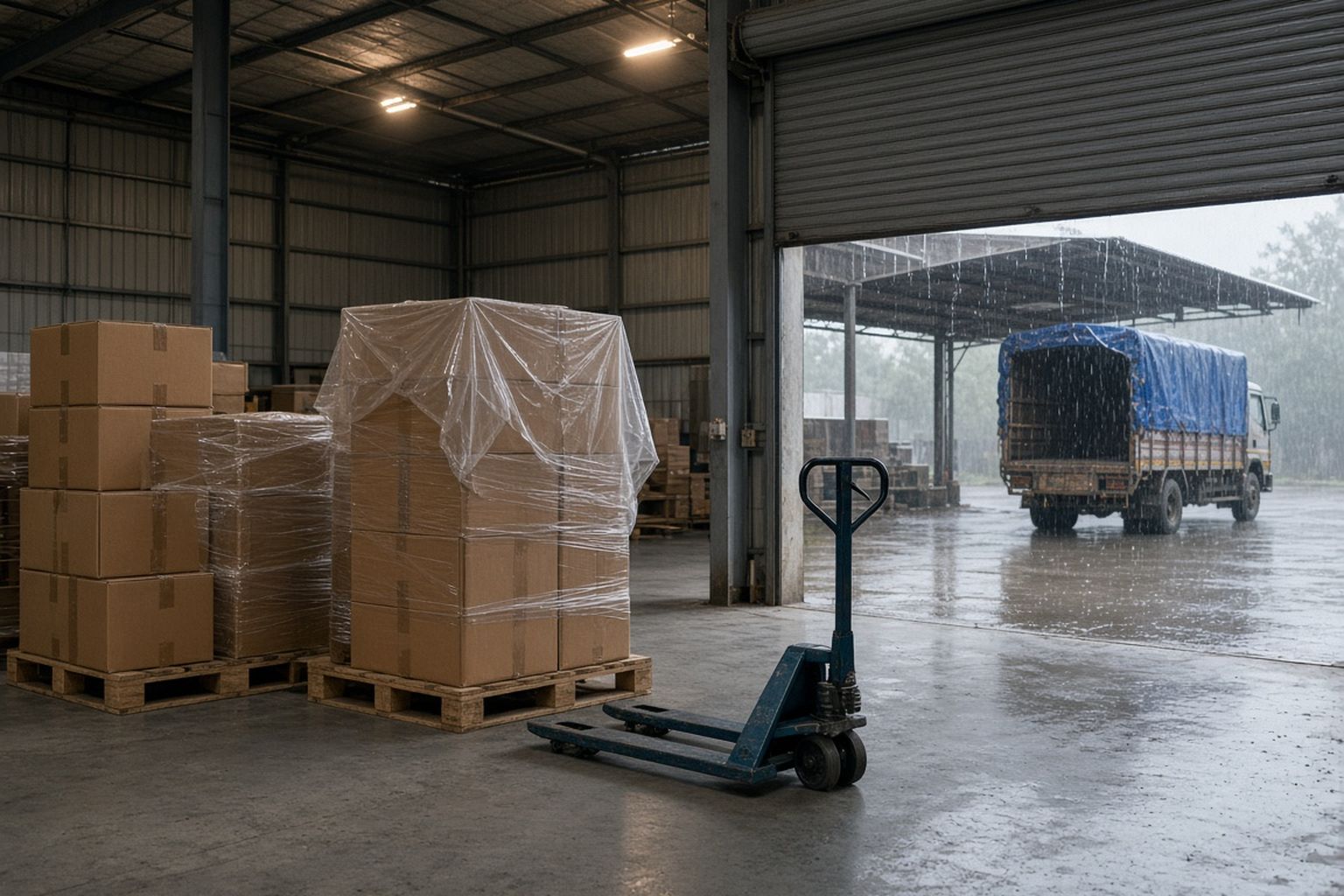
A box that passes in a conditioned lab can fail in a humid warehouse. Moisture, time under load and stack height decide what actually holds.
Nine fields turn a vague request into a quote you can compare. Most specification sheets arrive missing at least three of them.
GSM and burst factor describe different things about packaging paper. Promising the wrong one is how a box gets heavier without getting stronger.
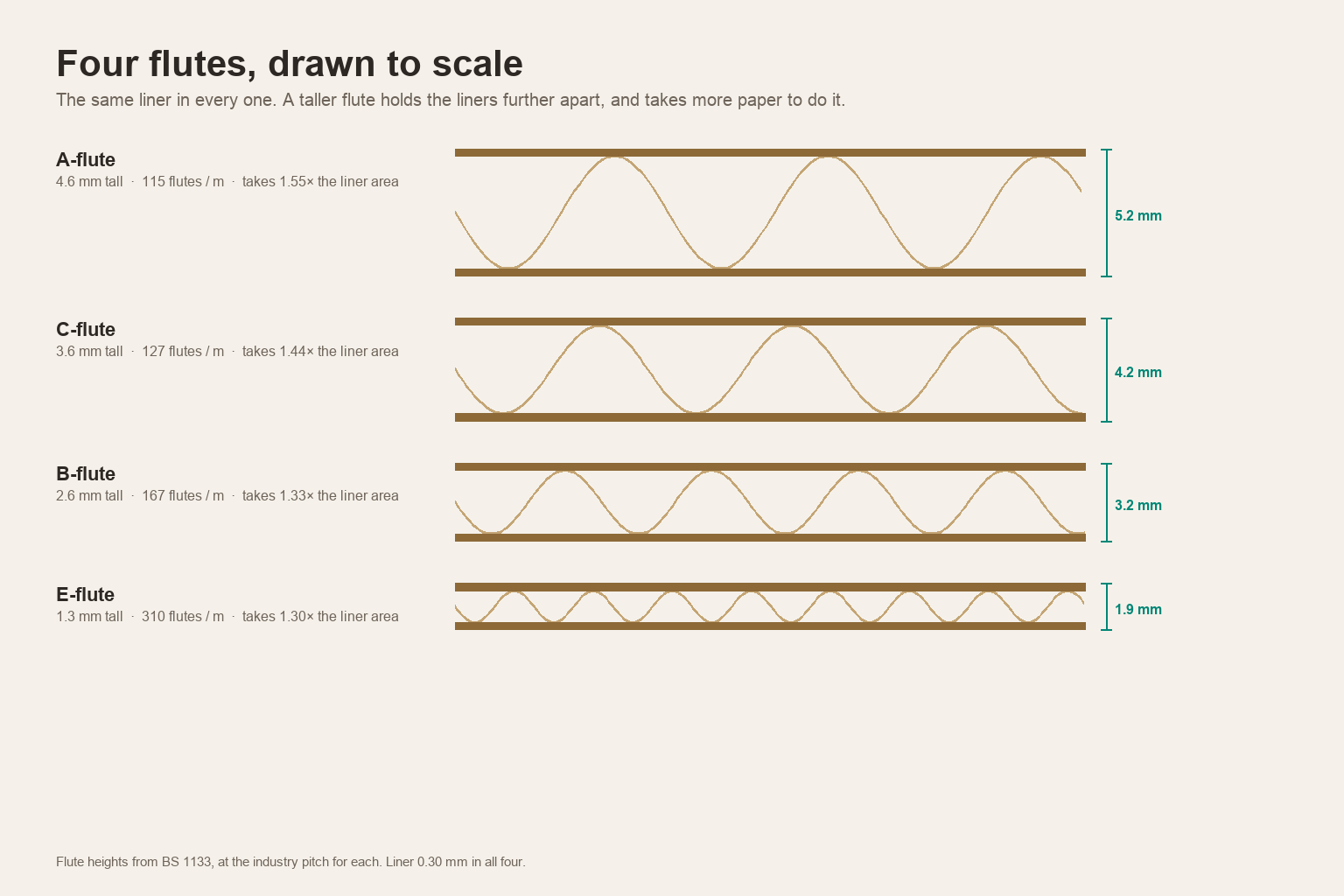
A, B, C, E and double-wall flutes change board thickness, stacking strength and how much paper a box eats. Most specifications never revisit the choice.
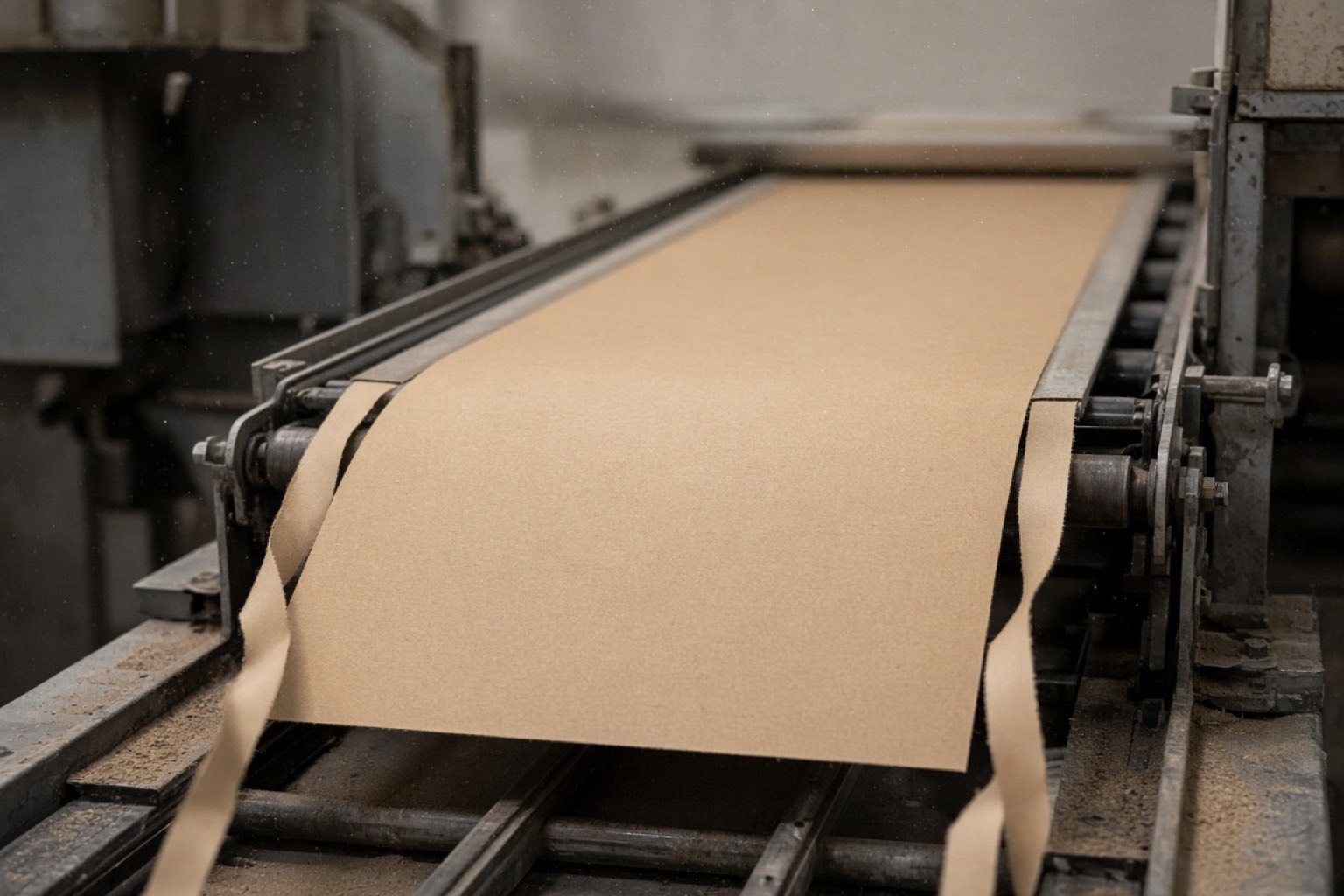
Between the paper reel and the invoice sit deckle, trim, conversion and freight. Understanding them is how a buyer argues a price with evidence.
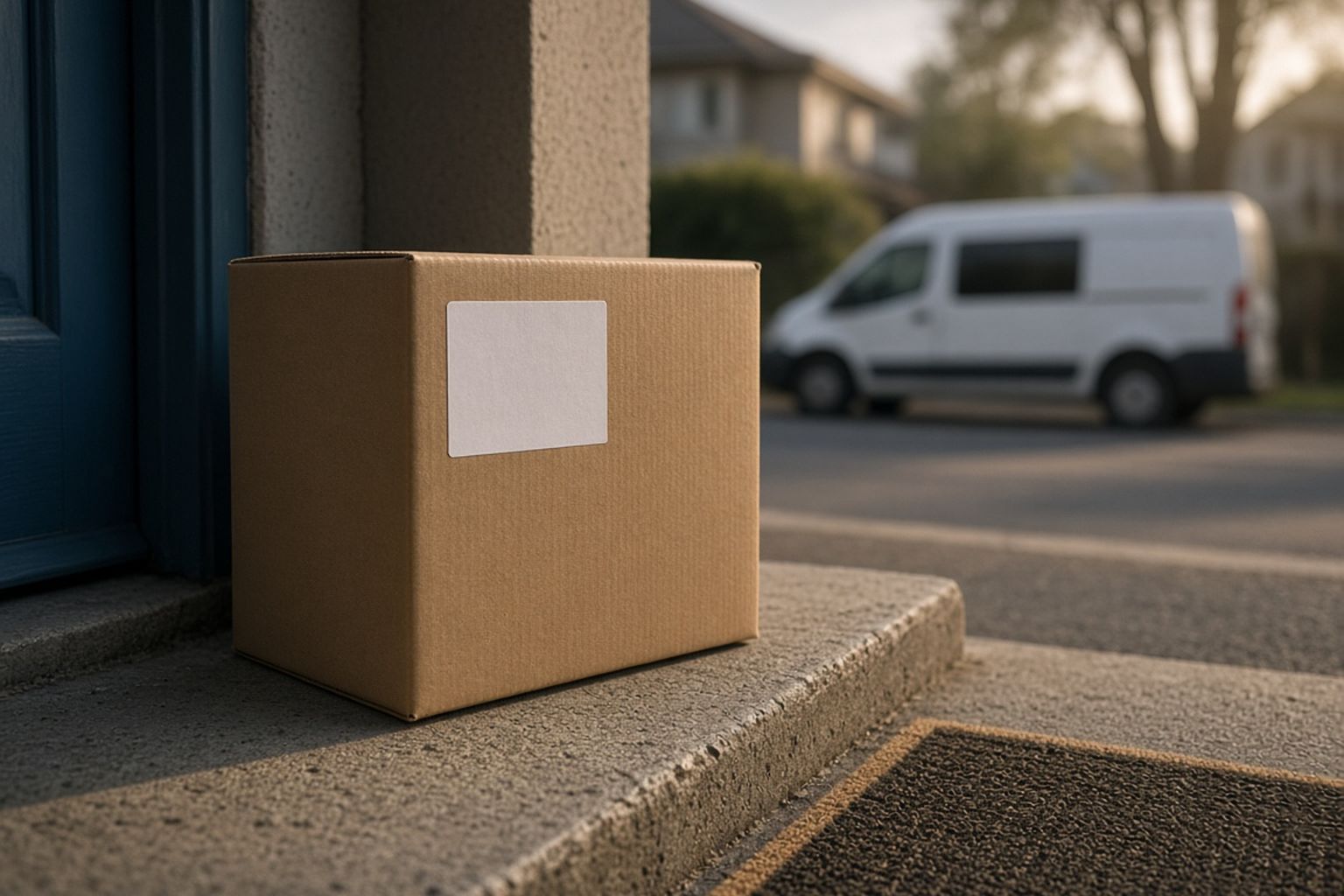
Marketplace packaging rules reward a box that ships in its own container. Meeting them usually means removing packaging, not adding it.
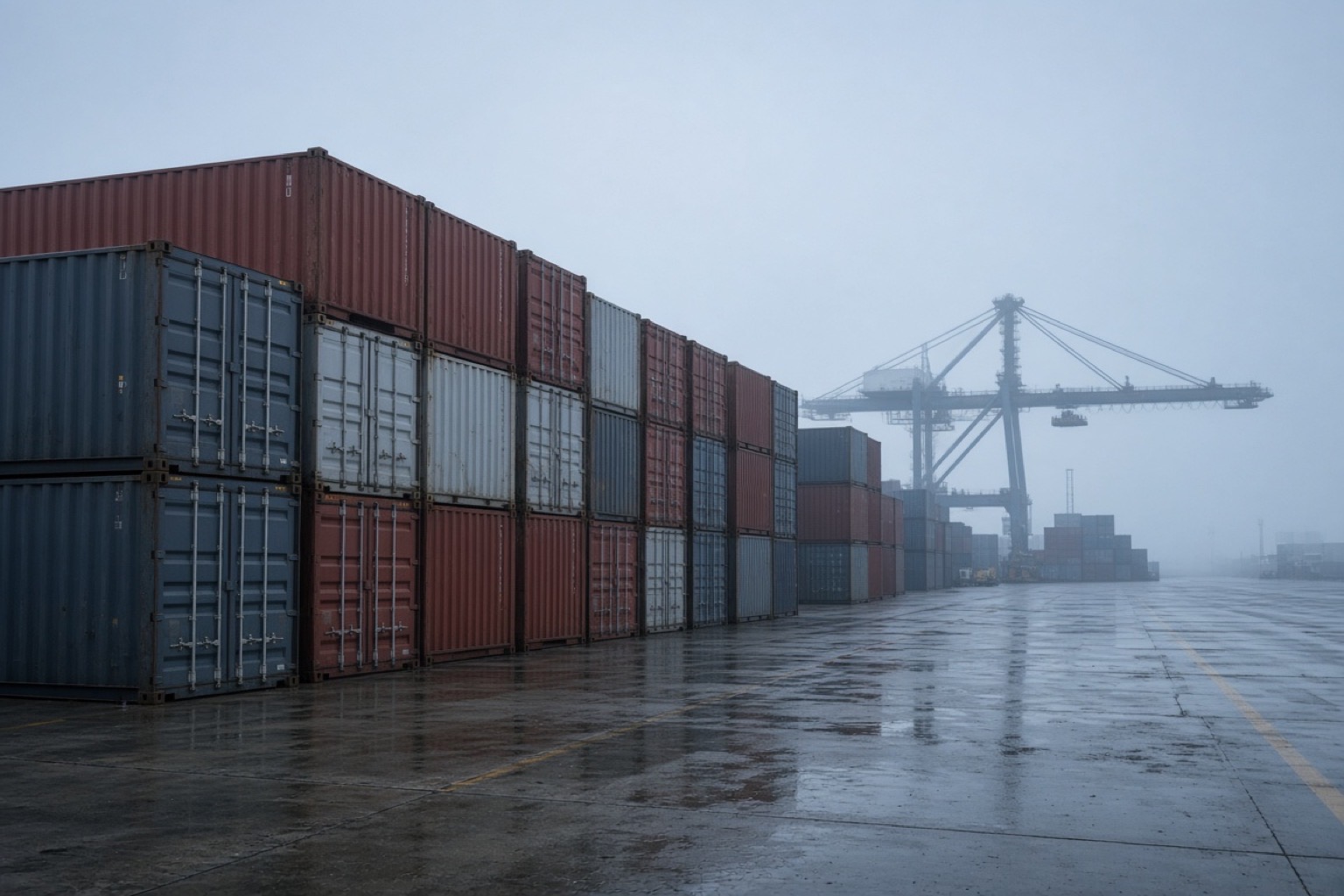
Export adds a sea leg, a port dwell and a customs inspection. It does not, usually, add a legal wood-packaging requirement to a corrugated box.
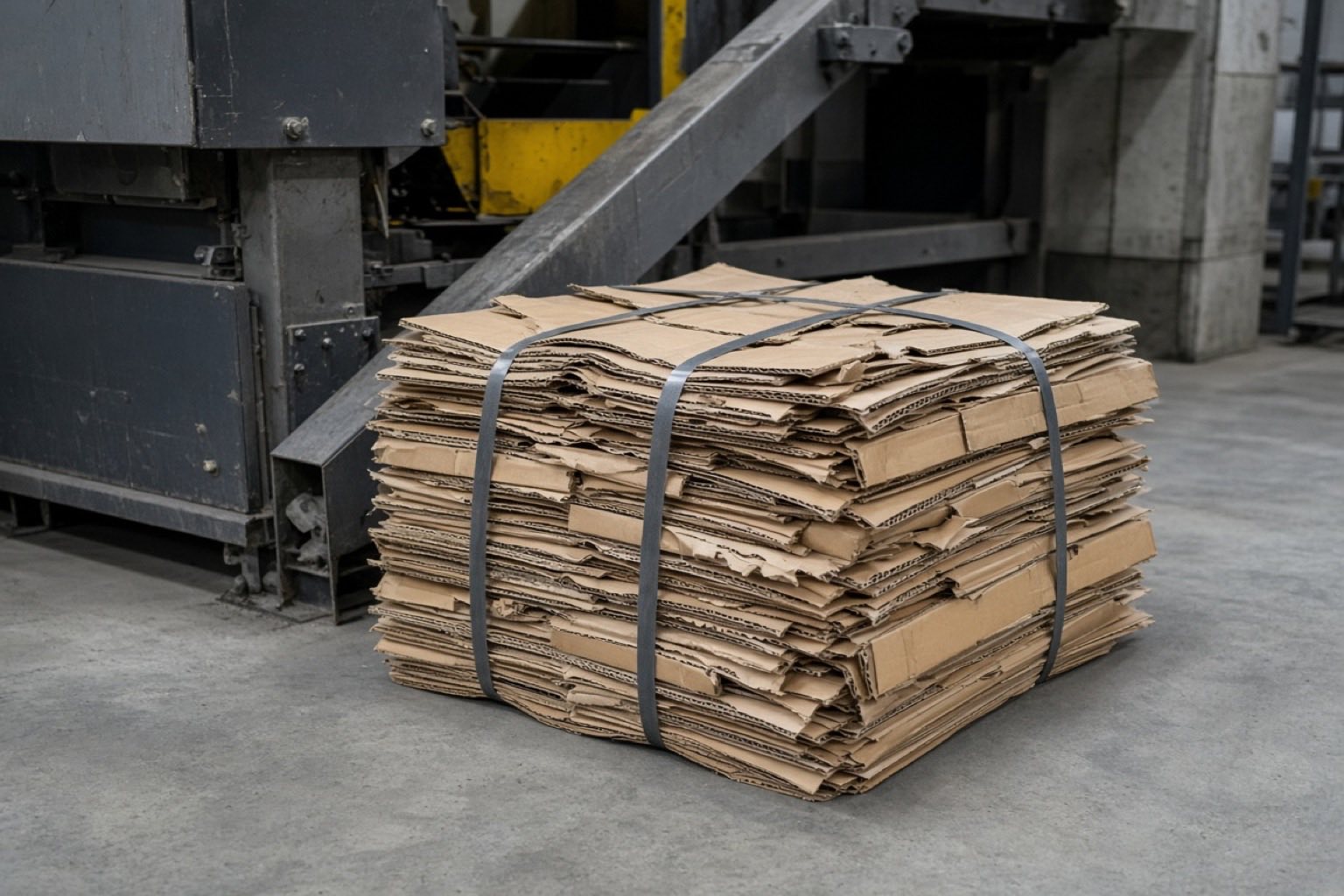
Every box price carries a percentage for waste. Understanding what it covers tells you which part you can challenge and which part you cannot.
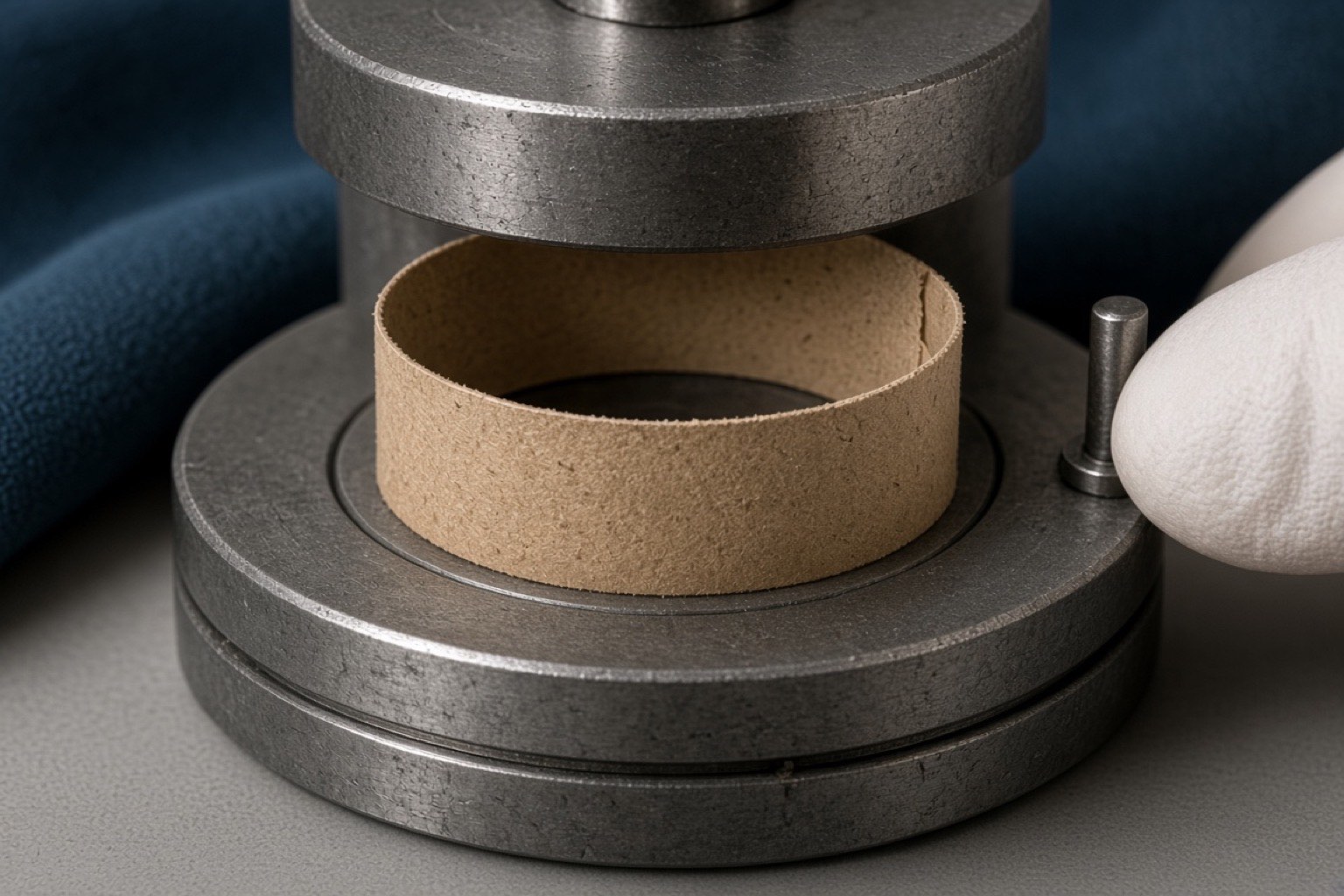
Burst factor is what paper grades are sold on. Ring crush is what stacking depends on. Ask for the one that answers your question.
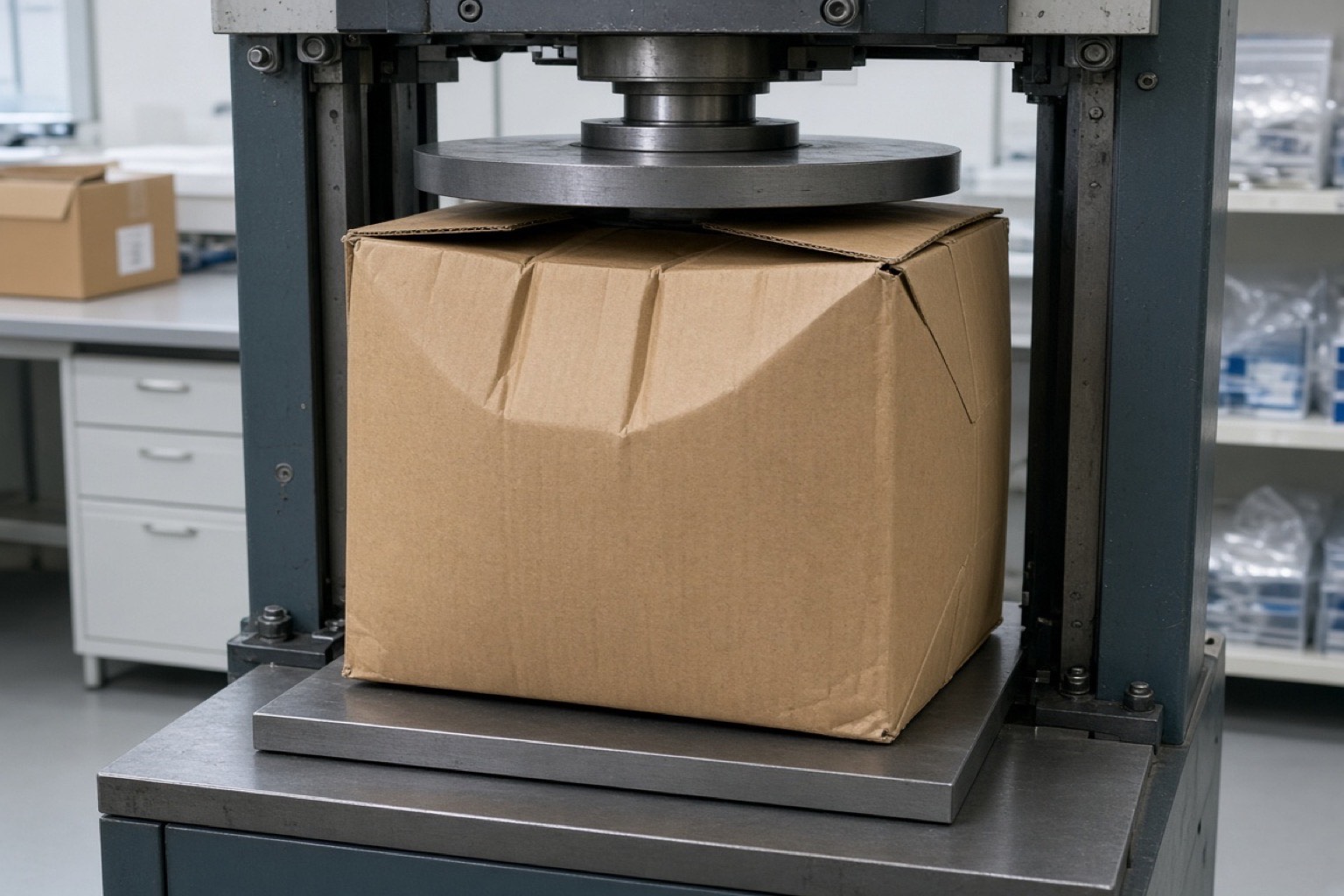
A box that misses its compression target is telling you something specific. Here are the five causes worth checking, in the order they usually appear.
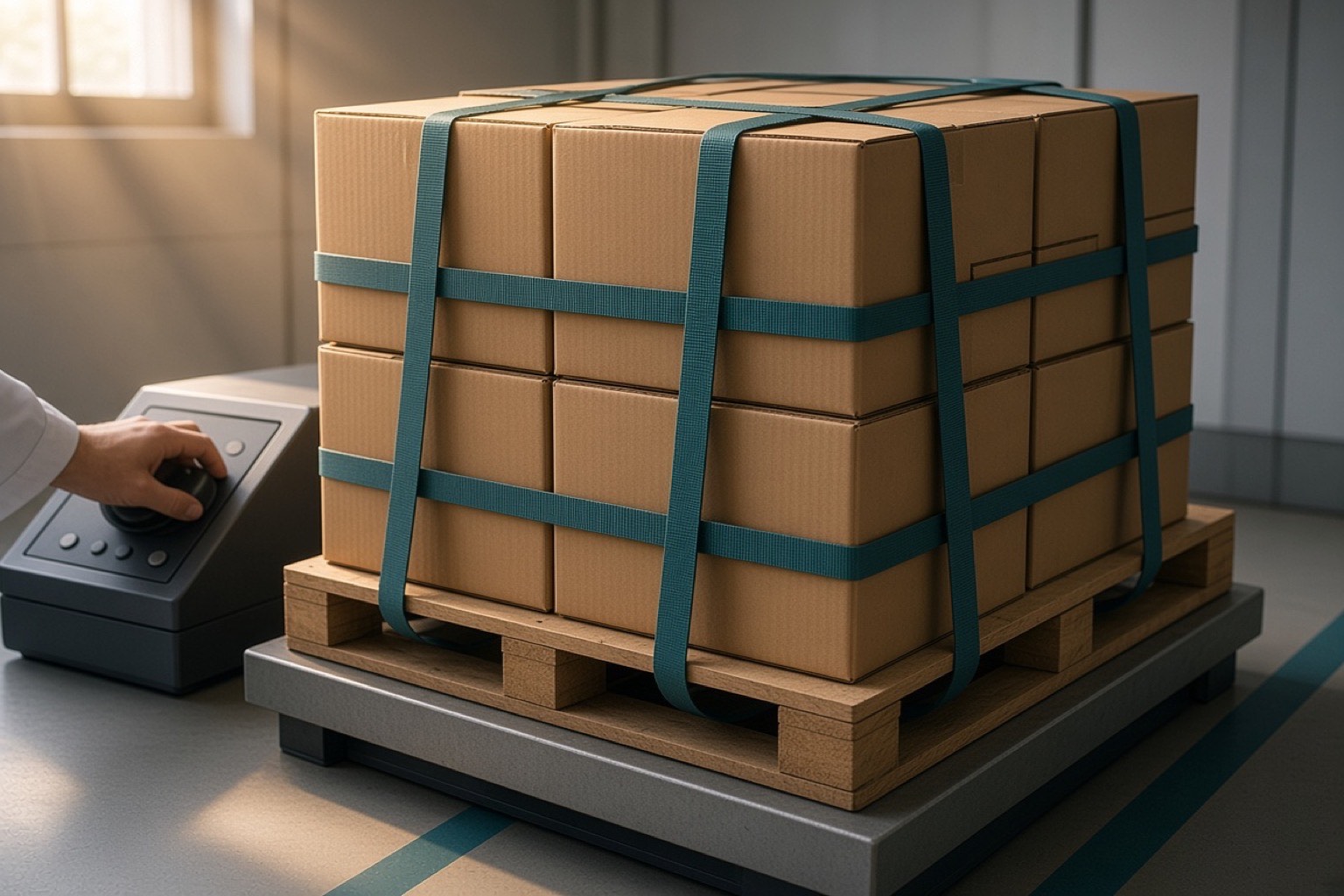
Vibration is the test that finds the damage a compression test cannot see. It simulates the road, not the warehouse.
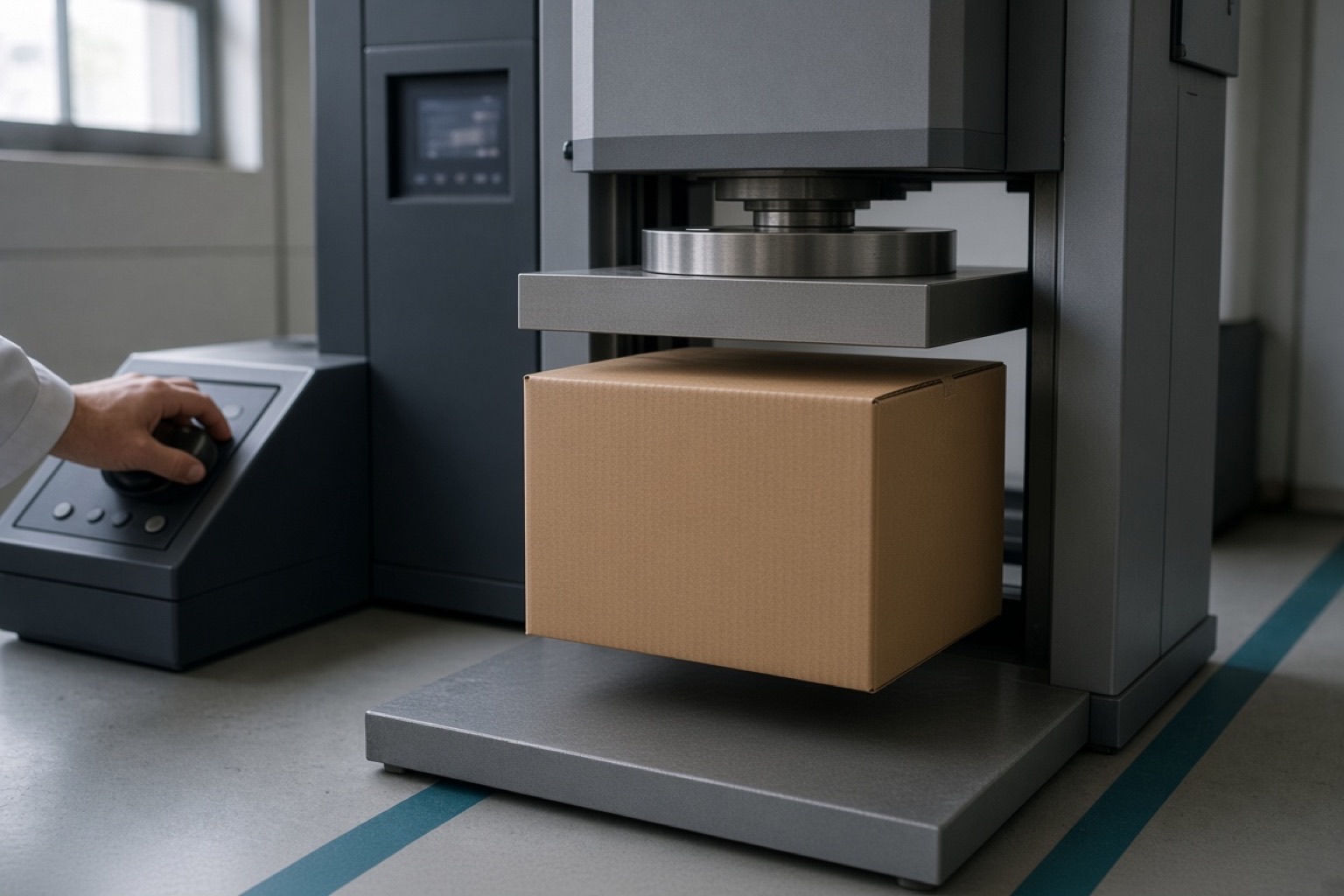
A drop test answers one question well: can the pack survive a fall. It says nothing about stacking, humidity or the journey in between.

The EU packaging regulation moves the argument from weight to design. For an exporter, the first question is whether a box is empty space.
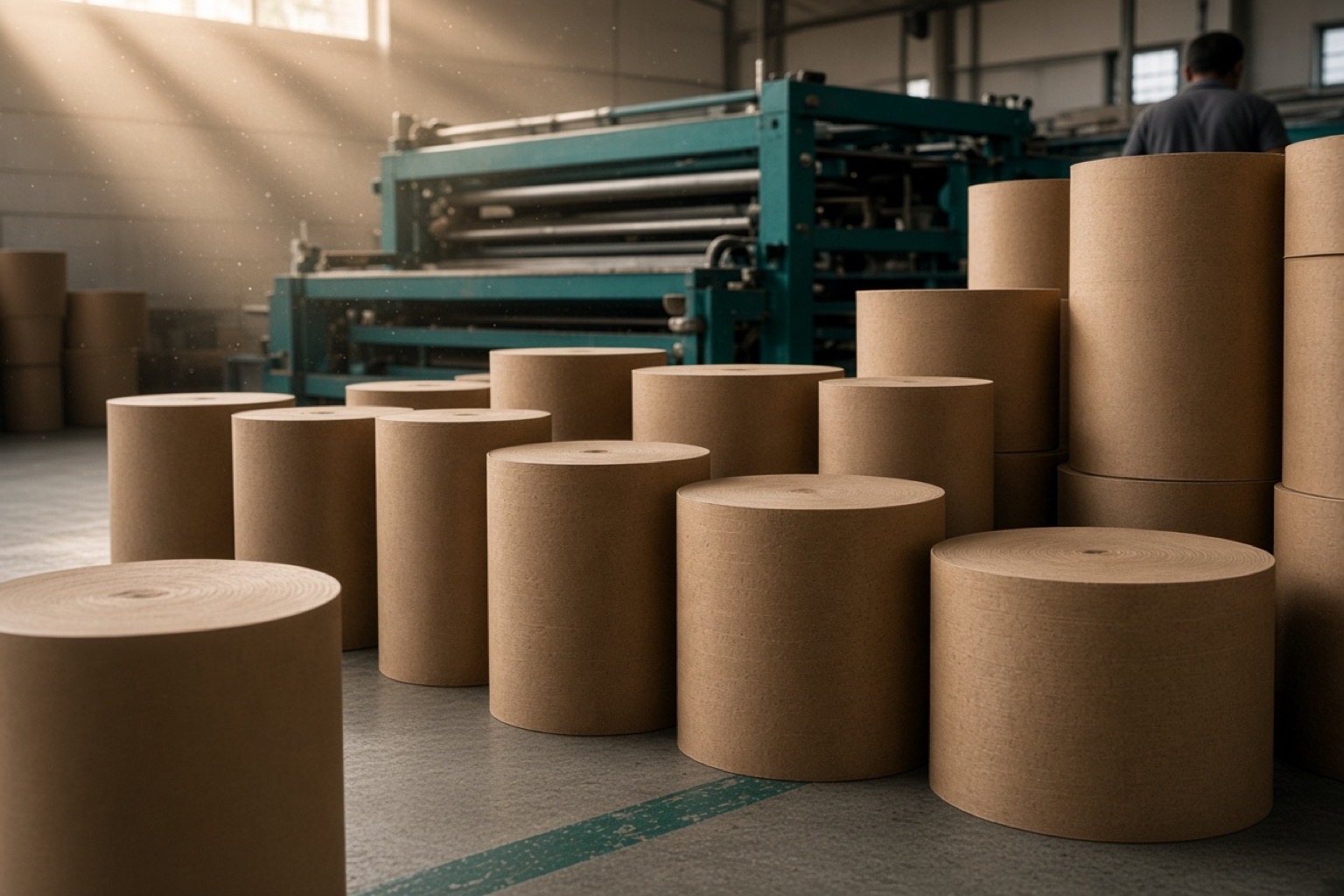
Paper dominates a box's carbon footprint. A single factor, applied to the paper weight you already know, gives an answer you can defend.

Recycled fibre is not a downgrade in every way and not an upgrade in every way. It changes strength, print and price, and where to look.
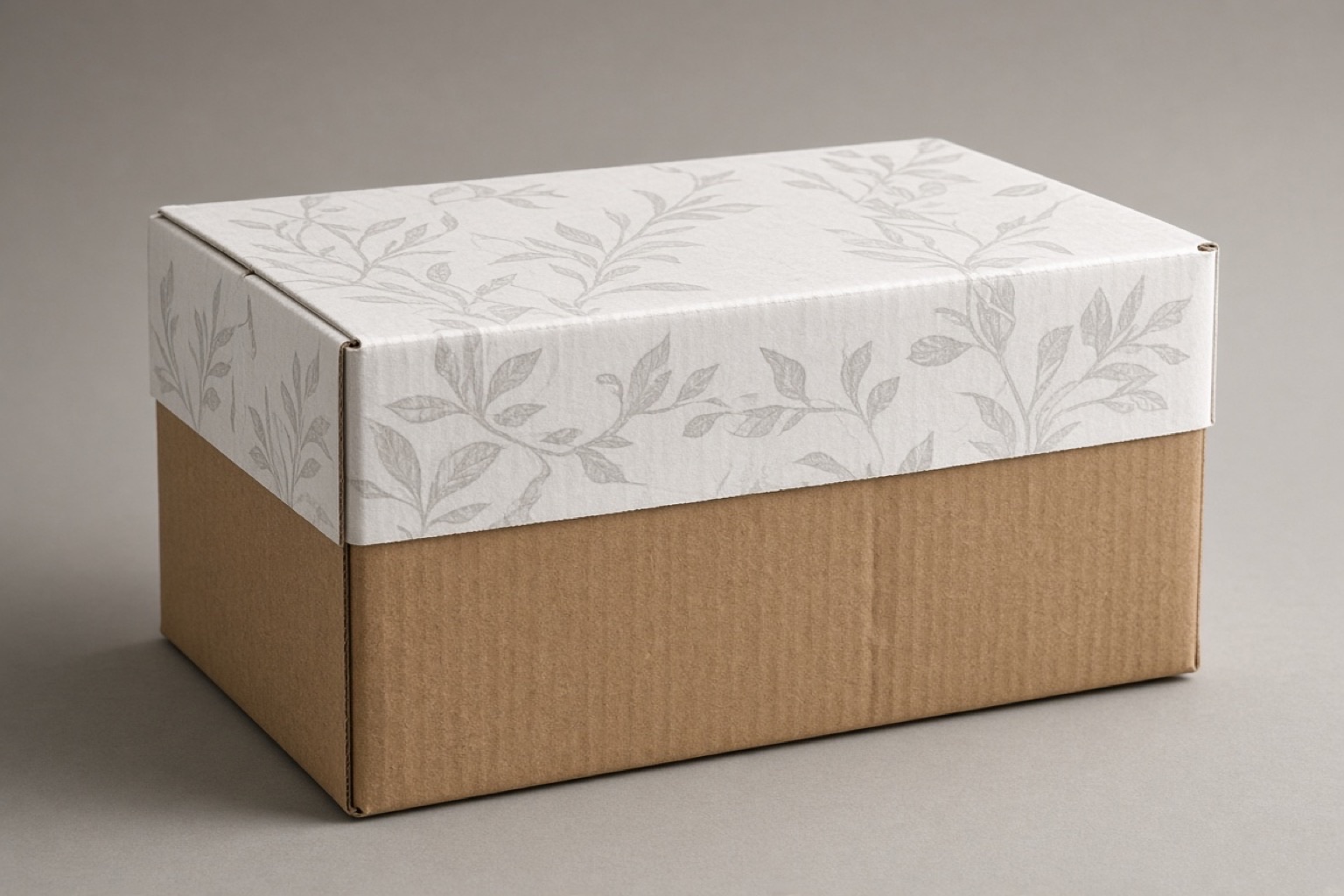
A white top liner is a print decision wearing a paper specification. Understanding what it costs keeps it where it earns its place.

Coatings and treatments slow the moisture that steals strength from a box. They are not a substitute for fixing the damp path.
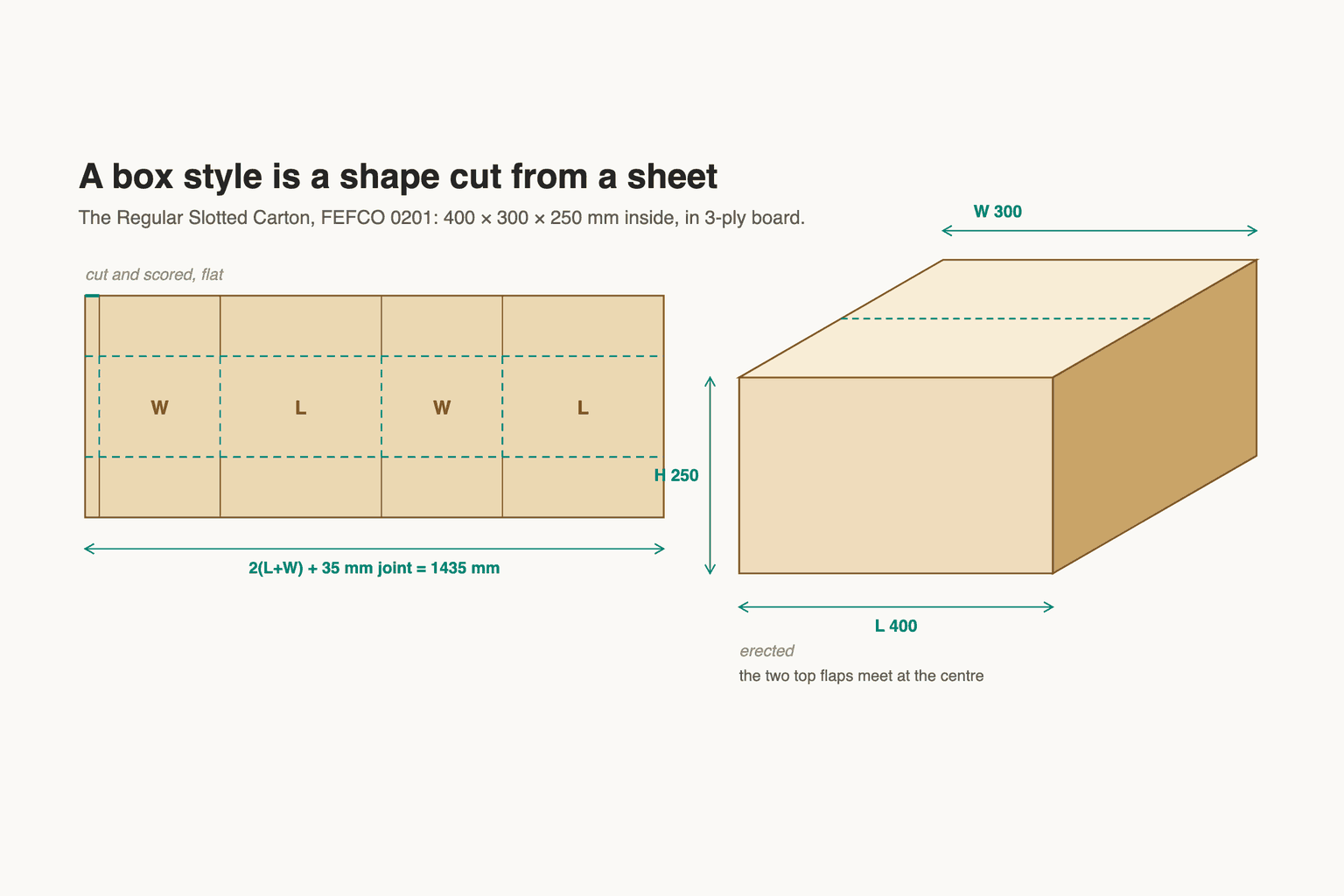
Box style decides how much board a pack consumes before a single sheet is cut. The right style is the least board that protects the product.

Carriers bill the larger of actual and dimensional weight. A box with a few centimetres of air can cost more to move than to make.
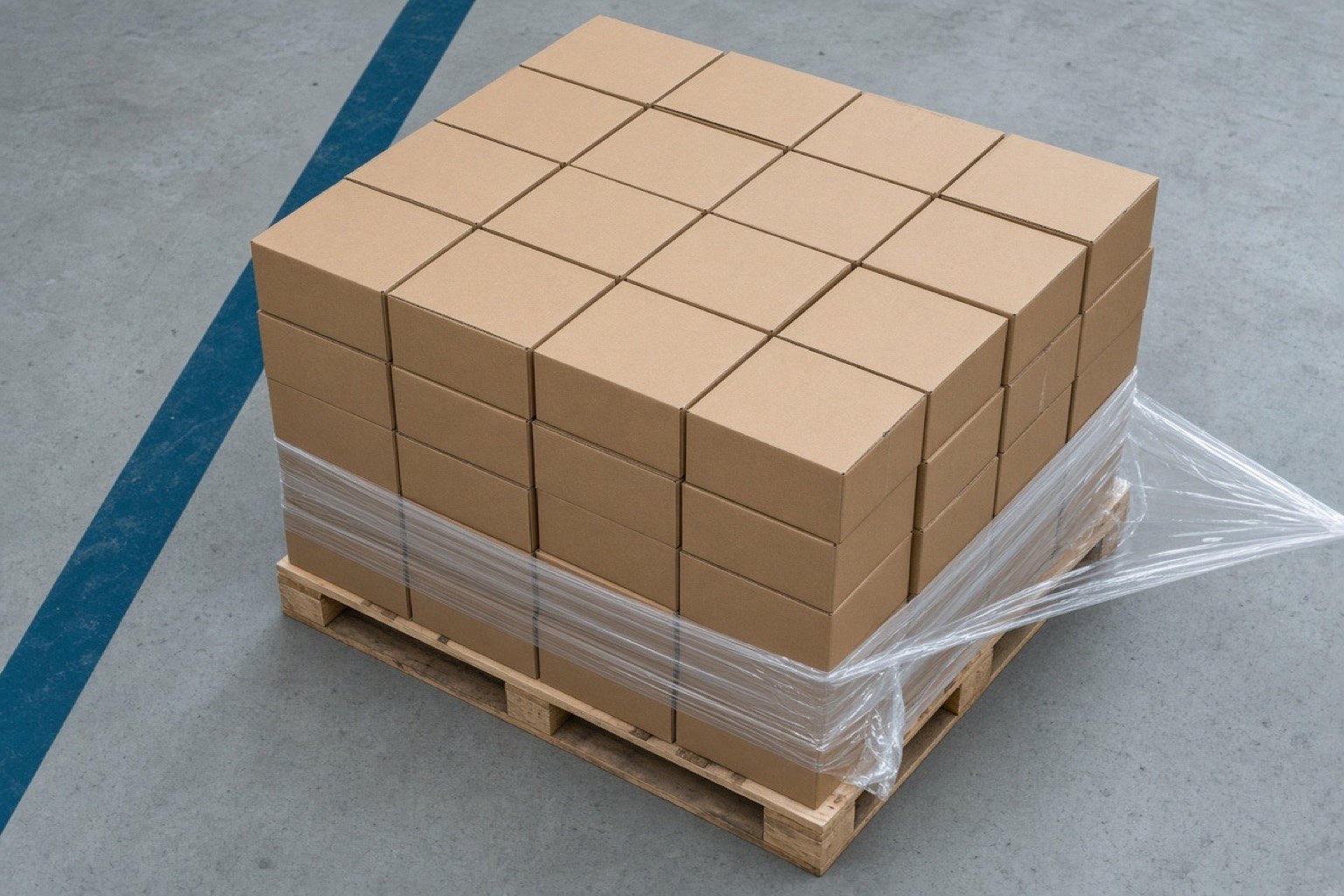
A better pallet pattern costs nothing, needs no new board and usually cuts freight. It only requires someone to work the arithmetic.
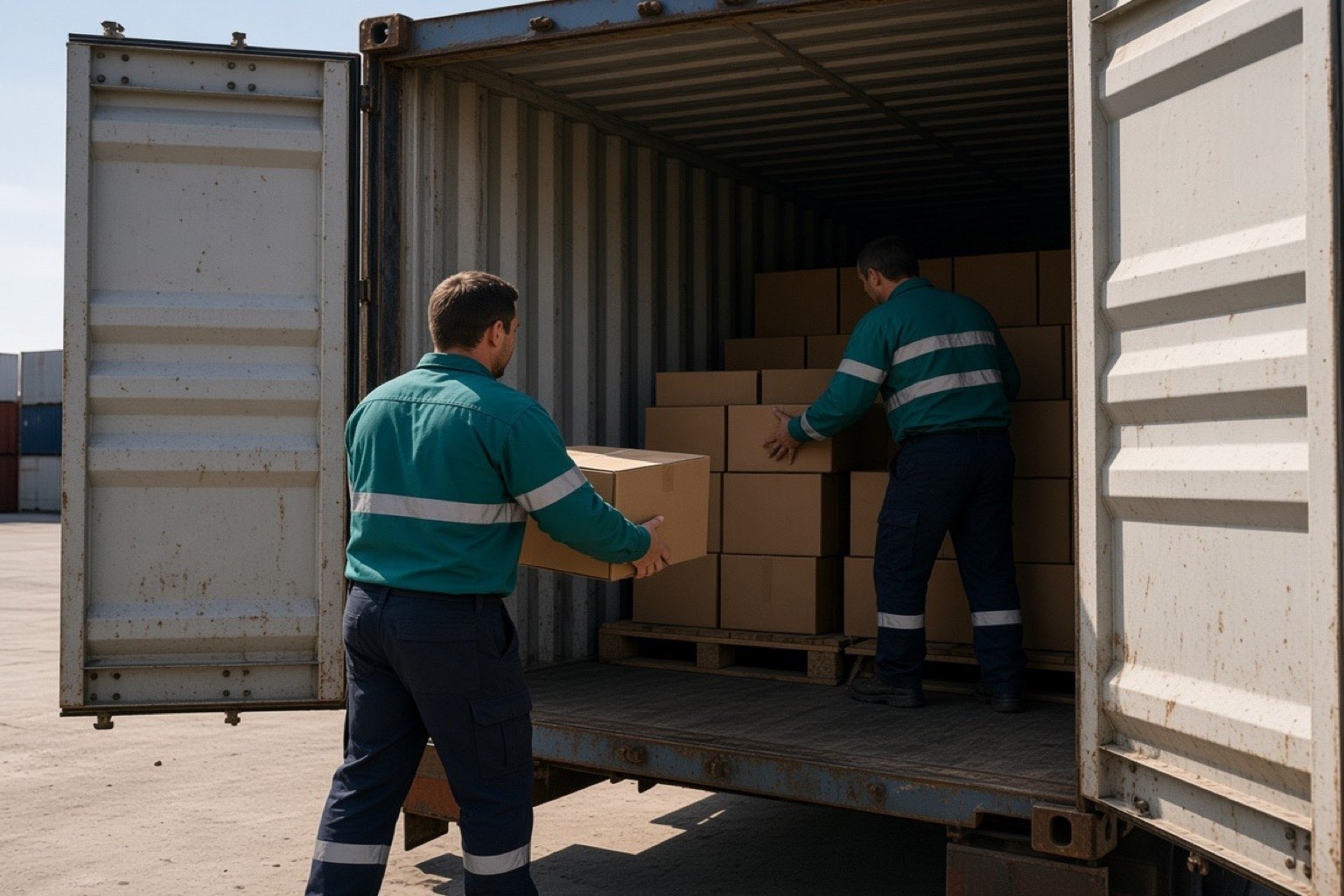
Filling a container is a volume problem with a weight ceiling. A millimetre of box height can decide whether a shipment pays.
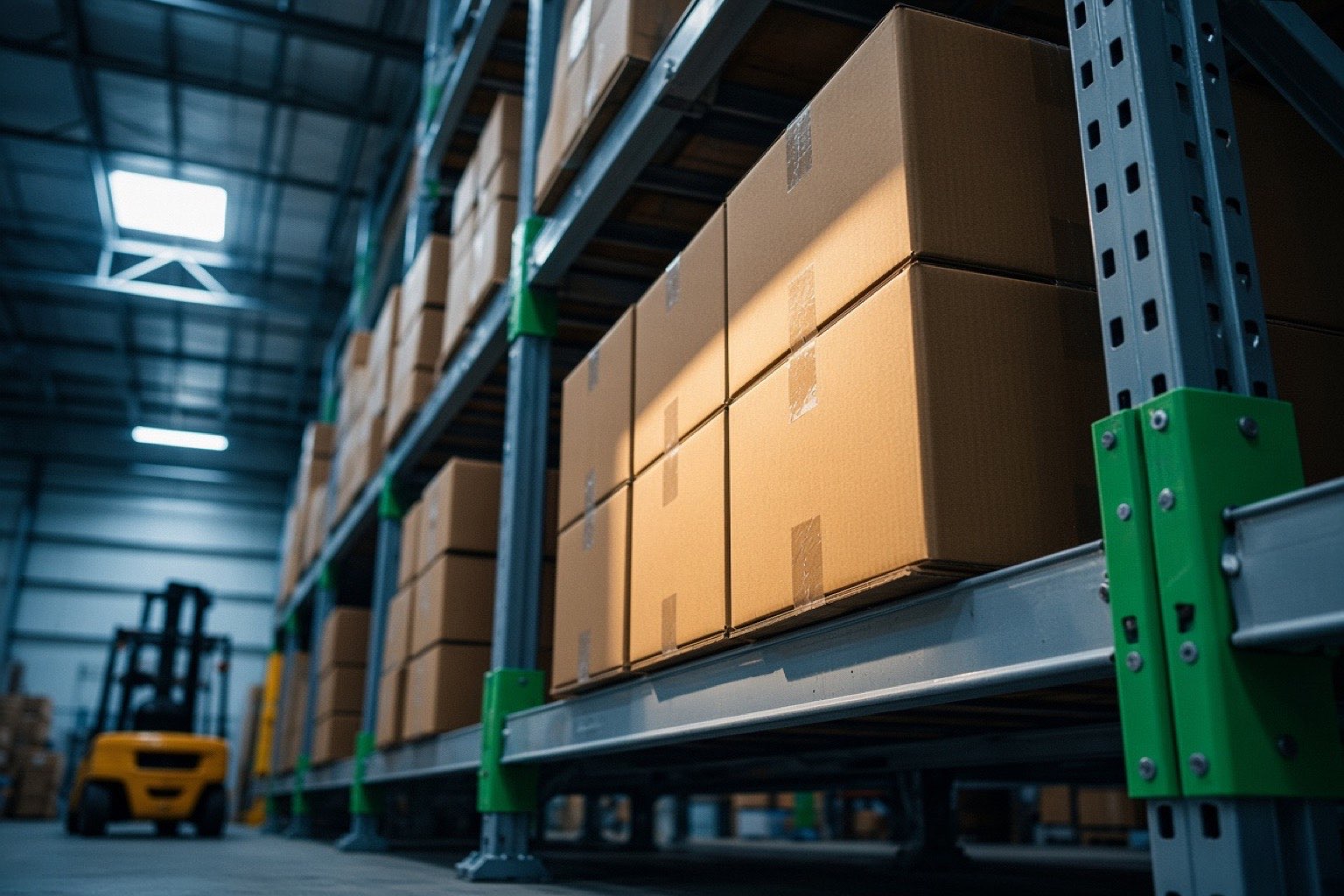
Racking, block stacking and double stacking load a box in three different ways. A specification that ignores which one is guesswork.

Box price sits on a paper number. Work out that number once and every quotation afterwards has something to be compared against.
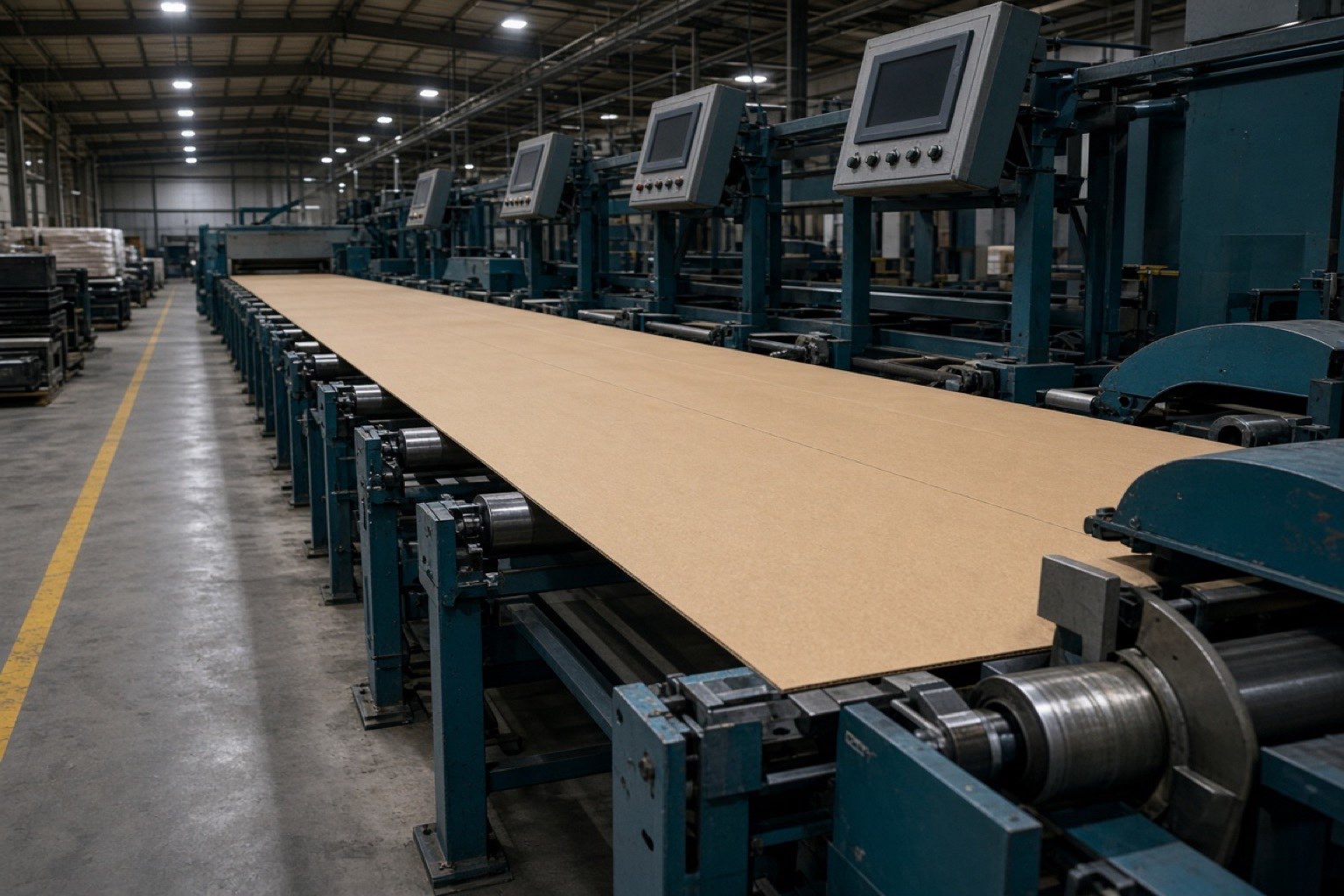
Paper is roughly half a box price. The rest is what happens in the plant. Knowing the pieces makes a price argument possible.

Most box quotations cannot be compared because they do not say what they cover. Six questions turn a price into a specification.

Most cost reviews stall because they start with prices. Start with the load each box carries and the decisions follow in a fortnight.
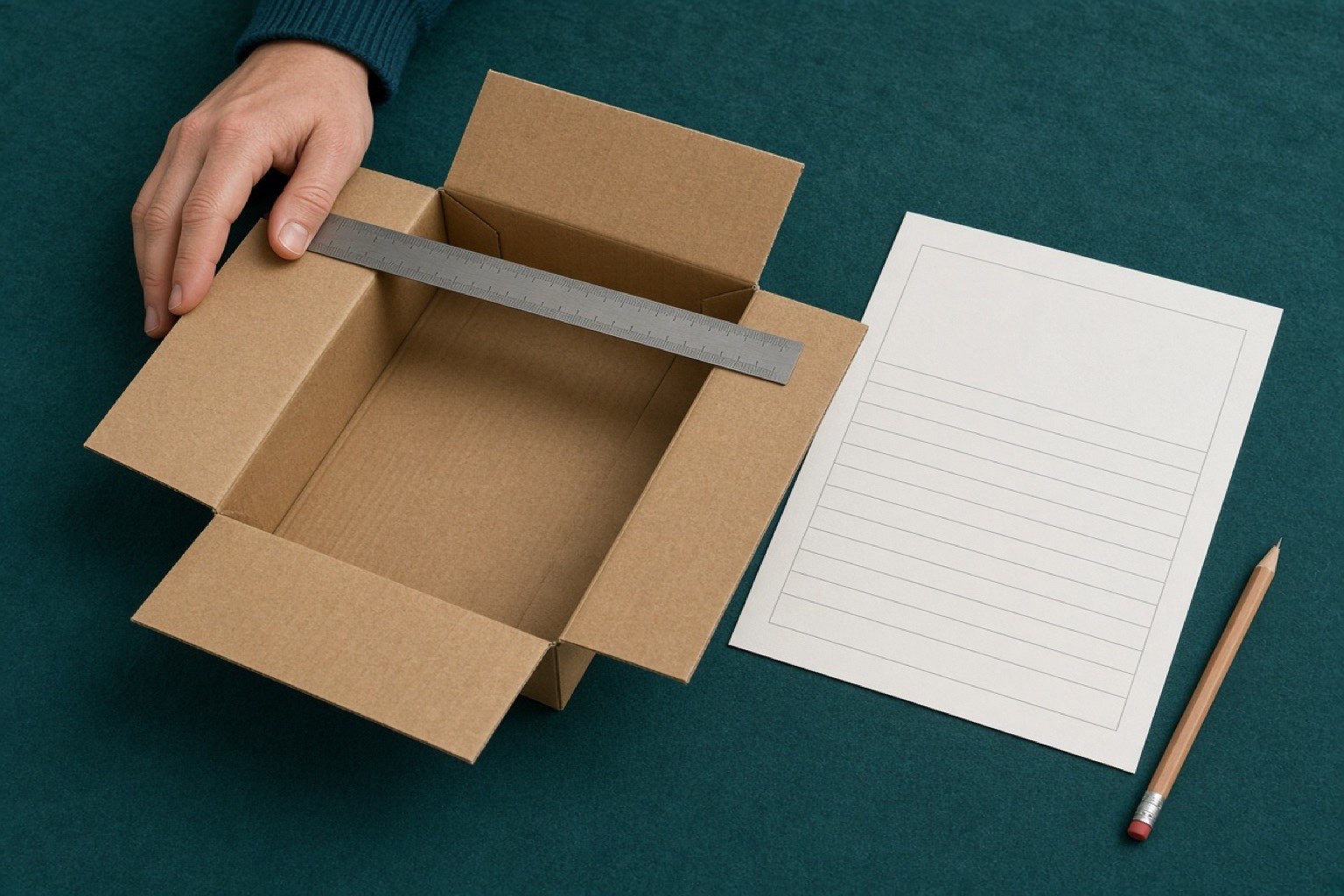
A sample approval is the cheapest place to find a problem. Five checks, done properly, cost an hour and prevent a season of complaints.
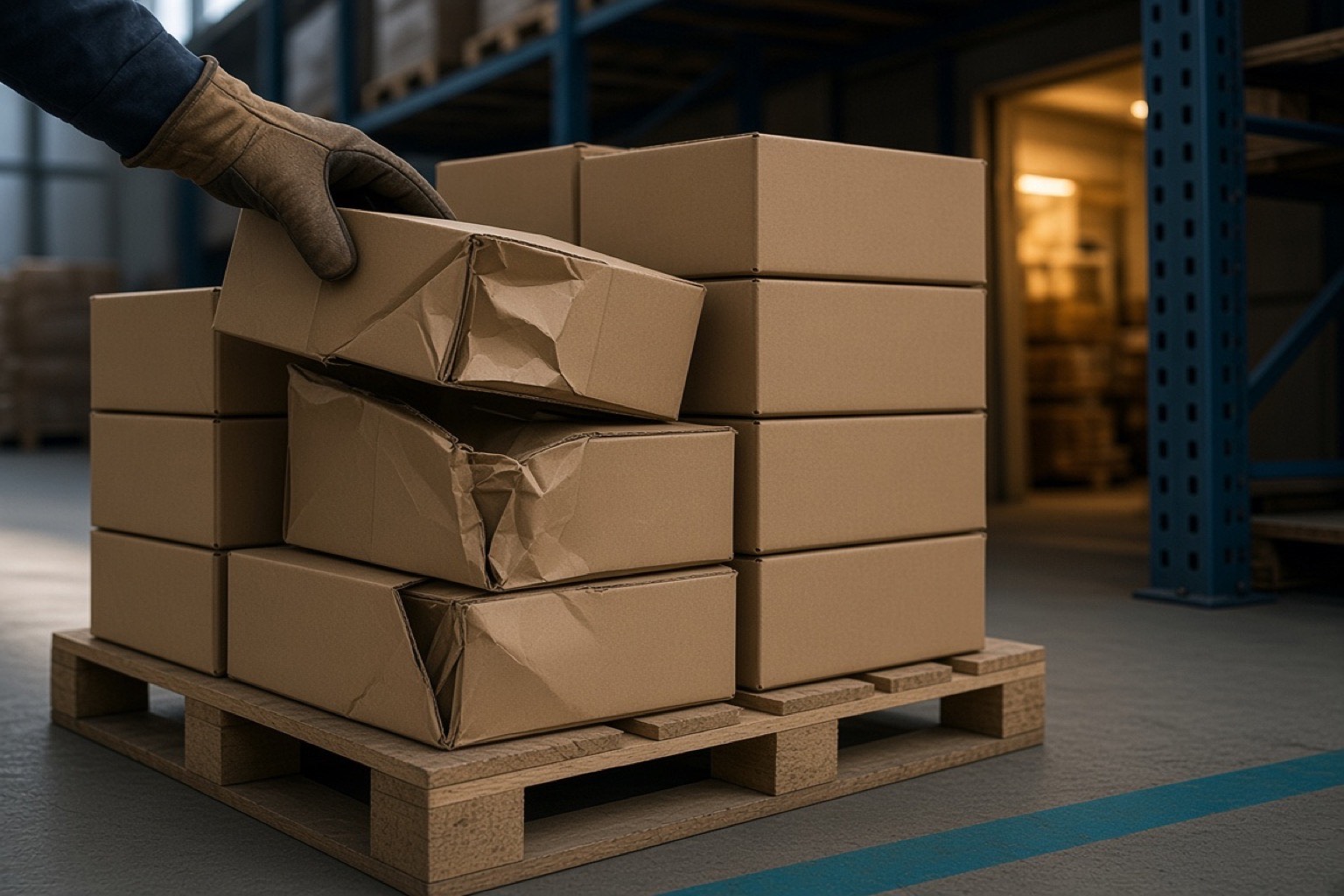
Most packaging complaints are answered with a guess. Six checks, done before anyone replies, turn a dispute into a diagnosis.
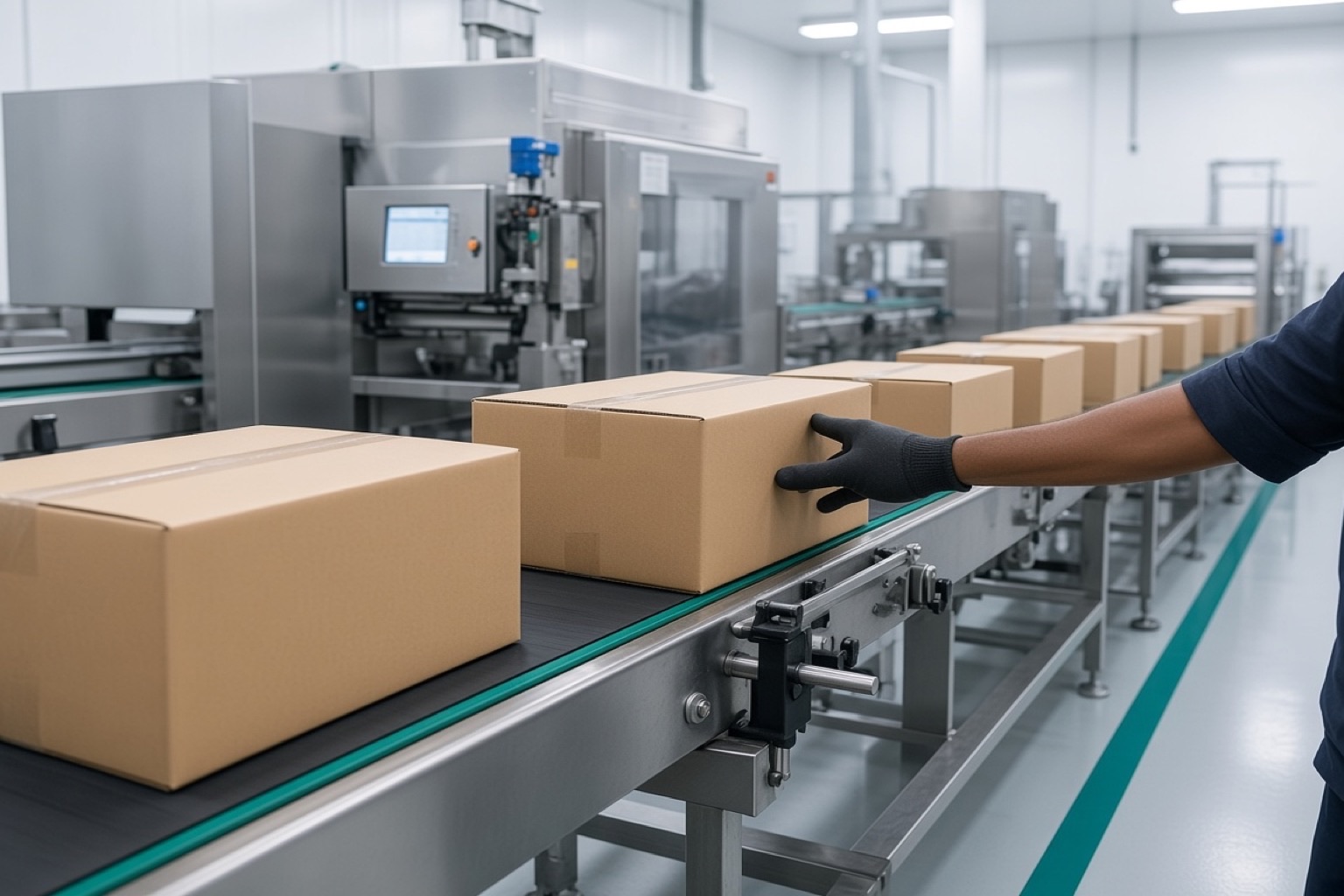
A corrugated box near food is not automatically a food-contact material. The rules depend on whether the box touches the food at all.
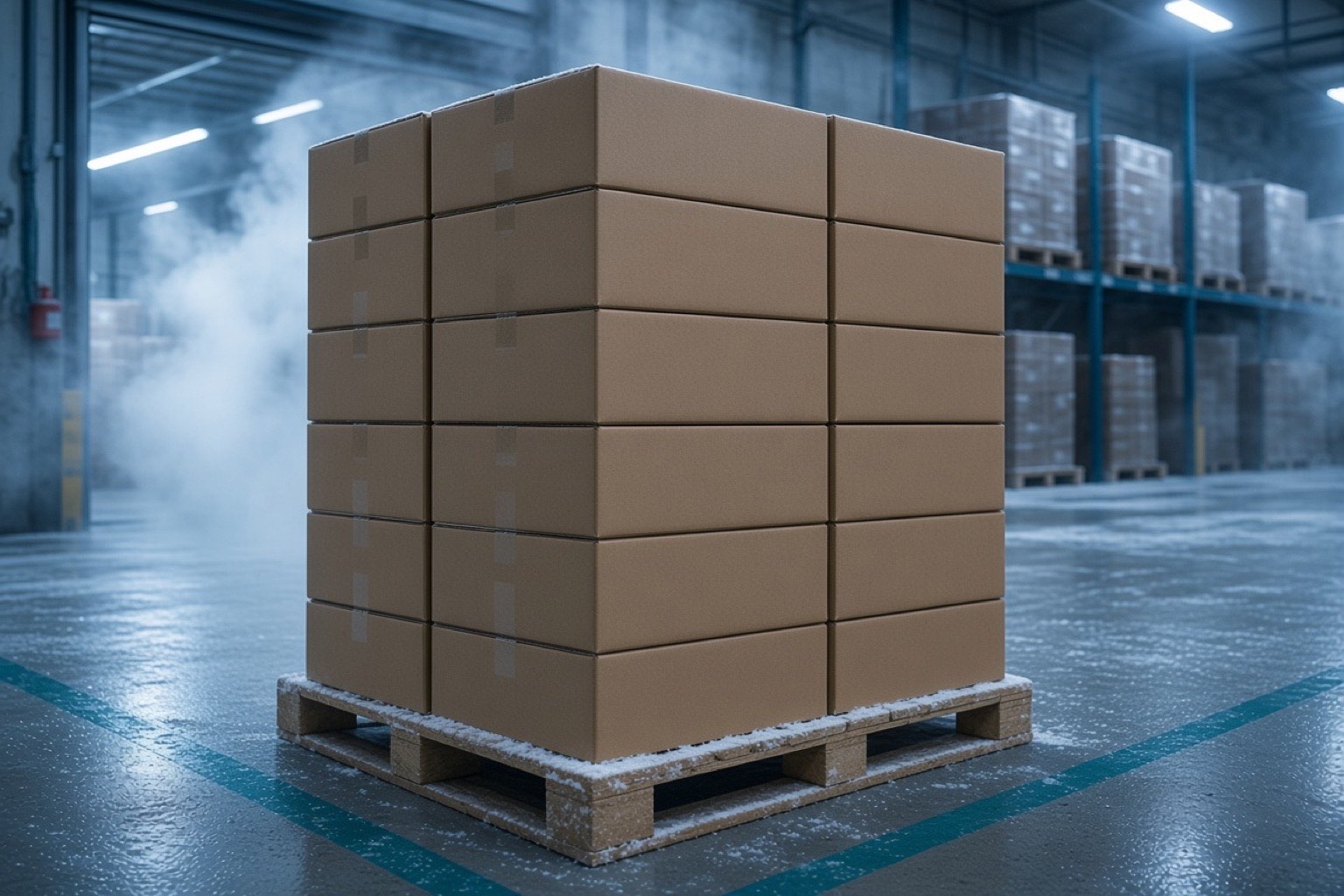
A box specified for a dry warehouse can lose much of its strength in a cold store. The moisture, not the cold, is doing the damage.
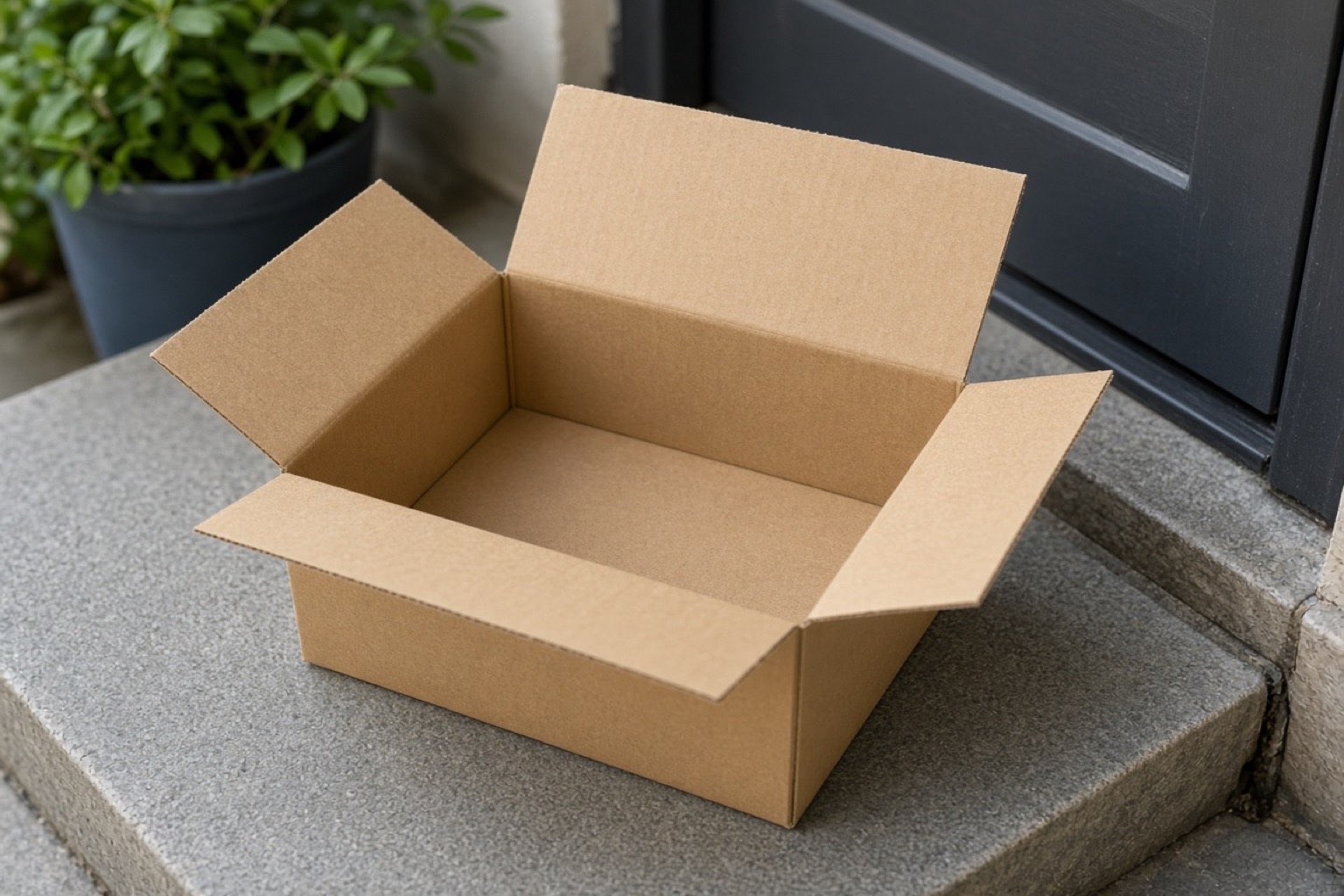
An e-commerce return box is opened, handled and sent back. Most packs are designed only for the journey out.
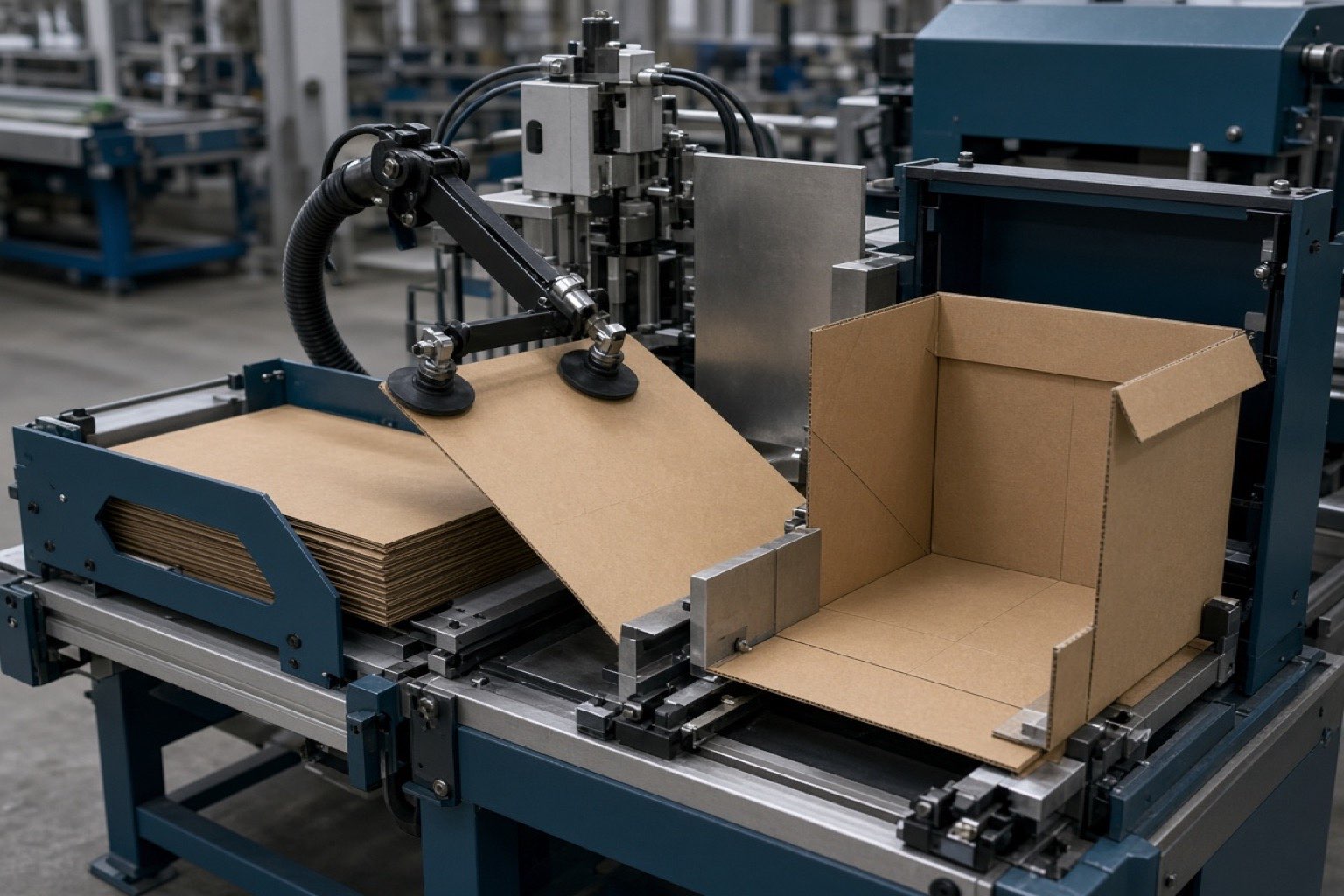
A board that meets its strength duty can still be wrong for the machine. Stiffness and caliper decide whether a line runs.
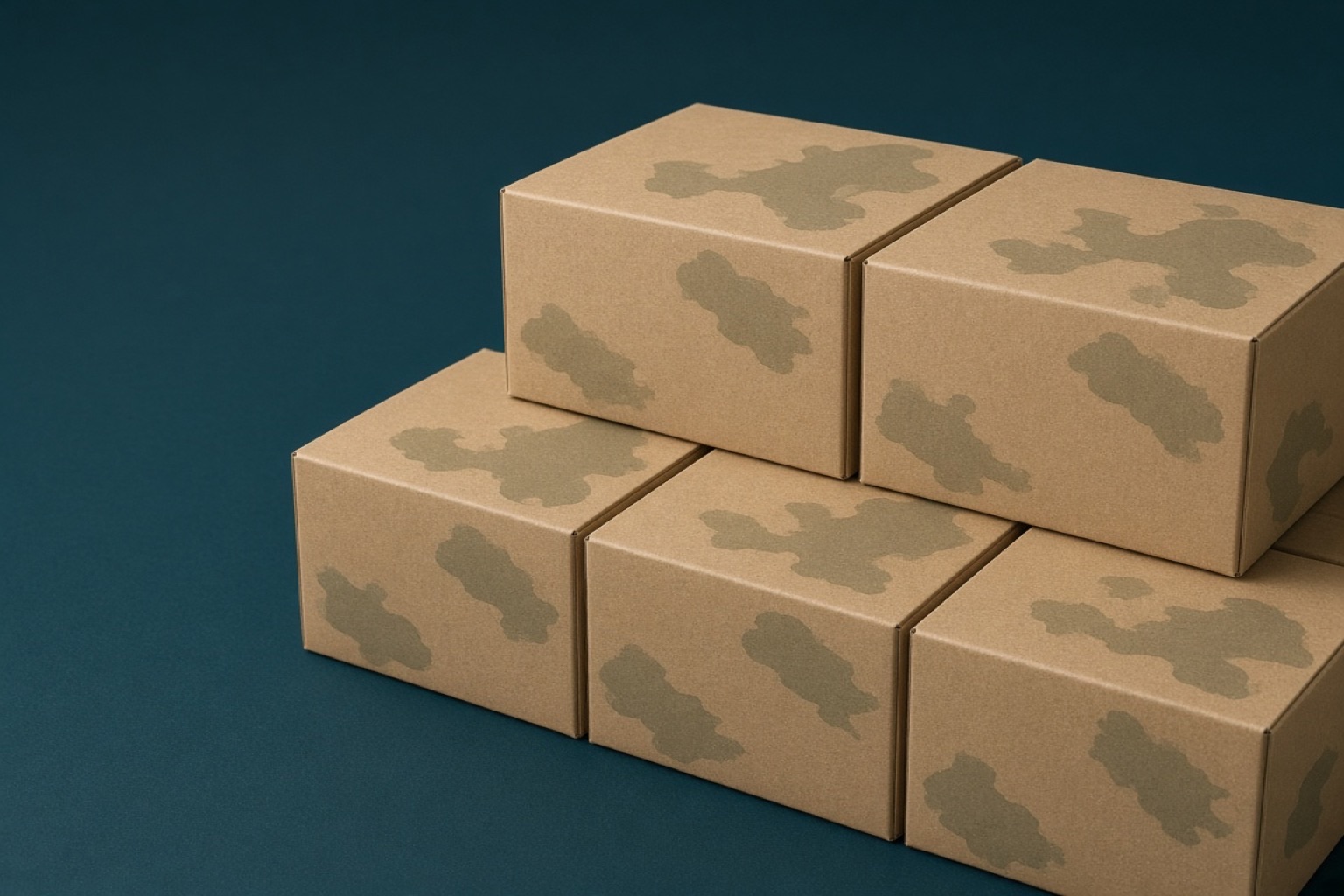
Heavy print interrupts the liner and interrupts the load path. A design can look good and cost strength it was never charged for.
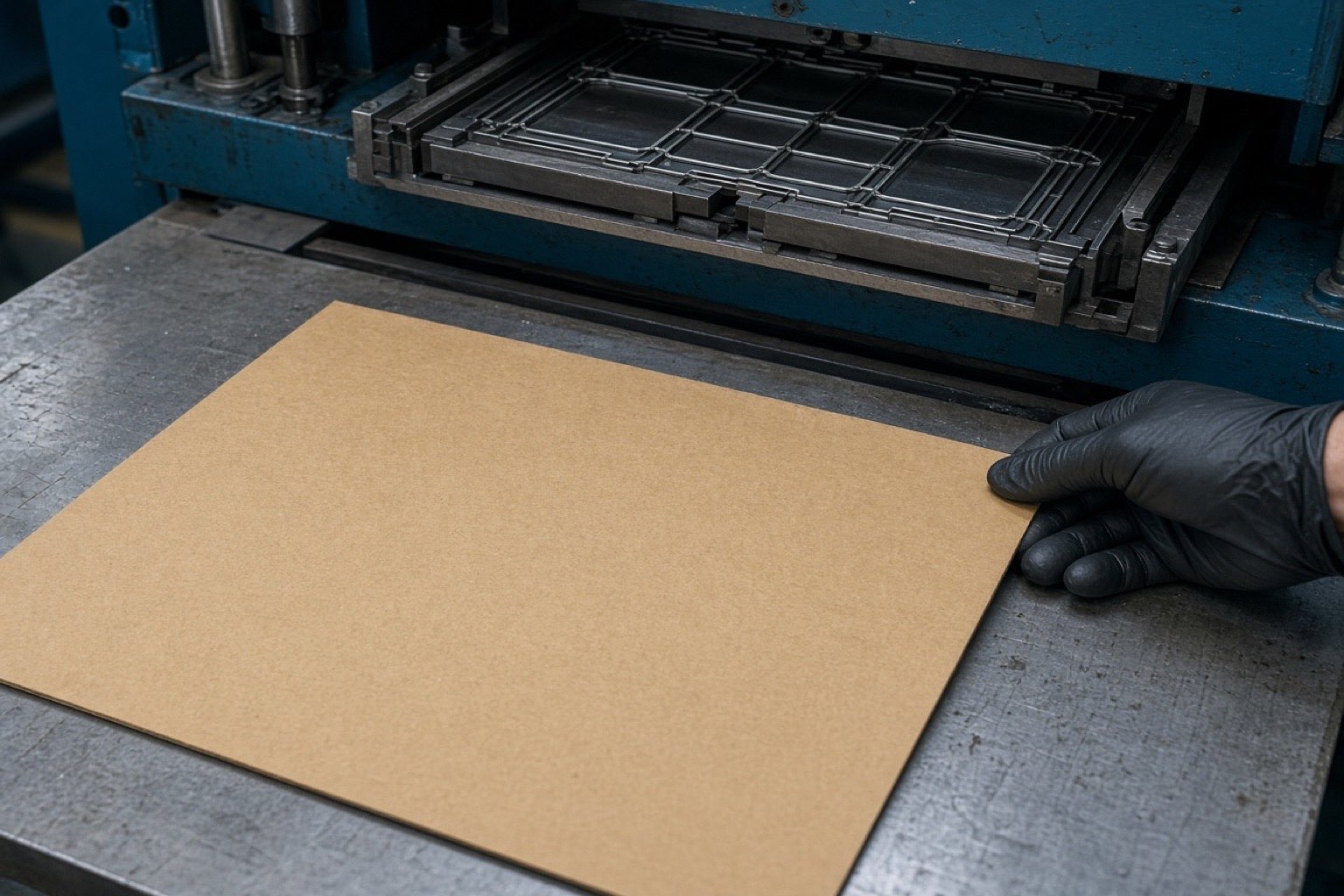
Scores are where a box bends, and where it tears. The quality of a score is a small manufacturing detail with a large field effect.
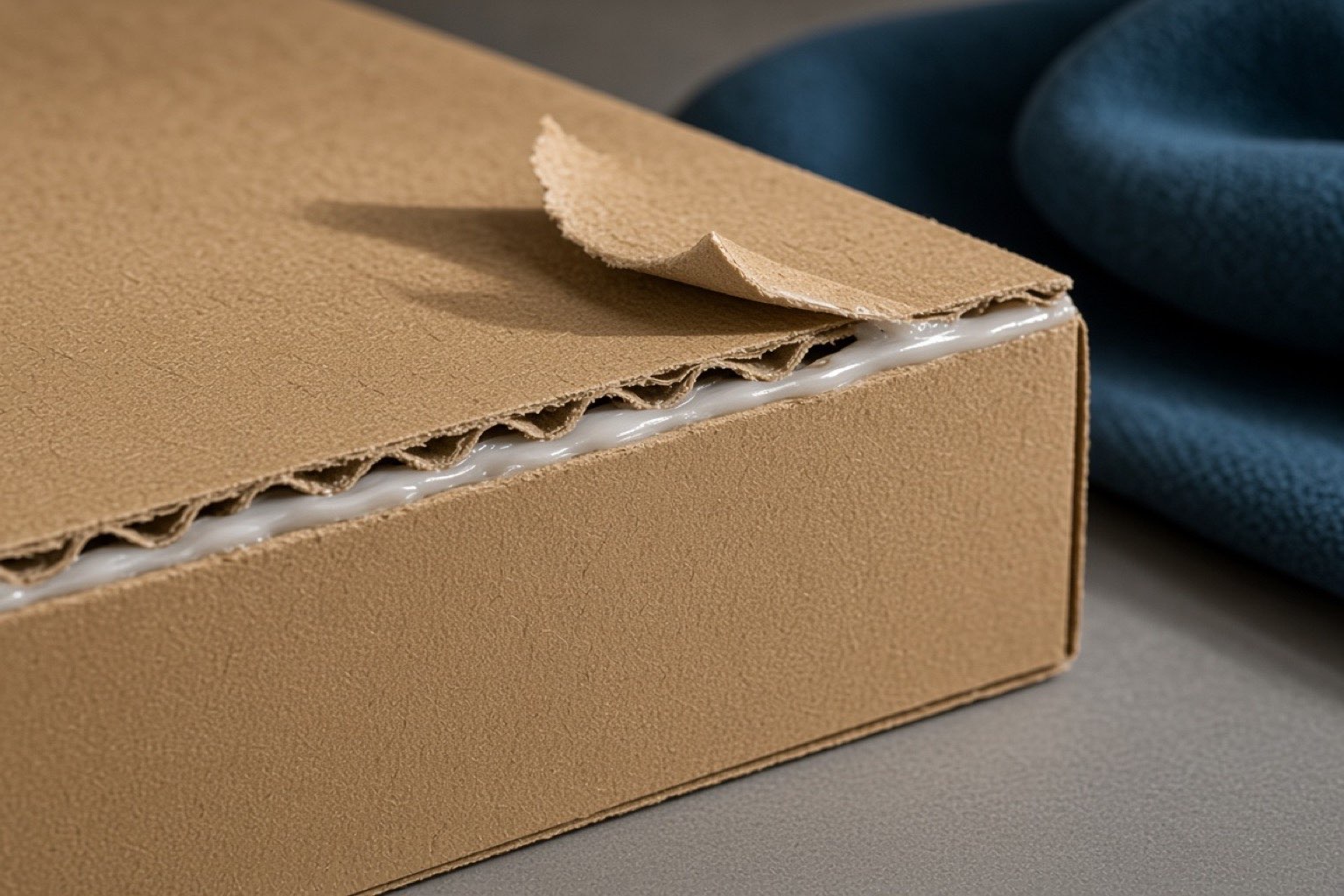
A box with good board and a poor joint fails like a box with poor board. The joint is where a stack is actually carried.

Most packaging recyclability claims fail on a technicality: the box is recyclable, the whole pack is not. Here is how to be precise.

Paper moves faster than a budget cycle. Three habits keep a packaging budget credible when the input price changes twice a year.
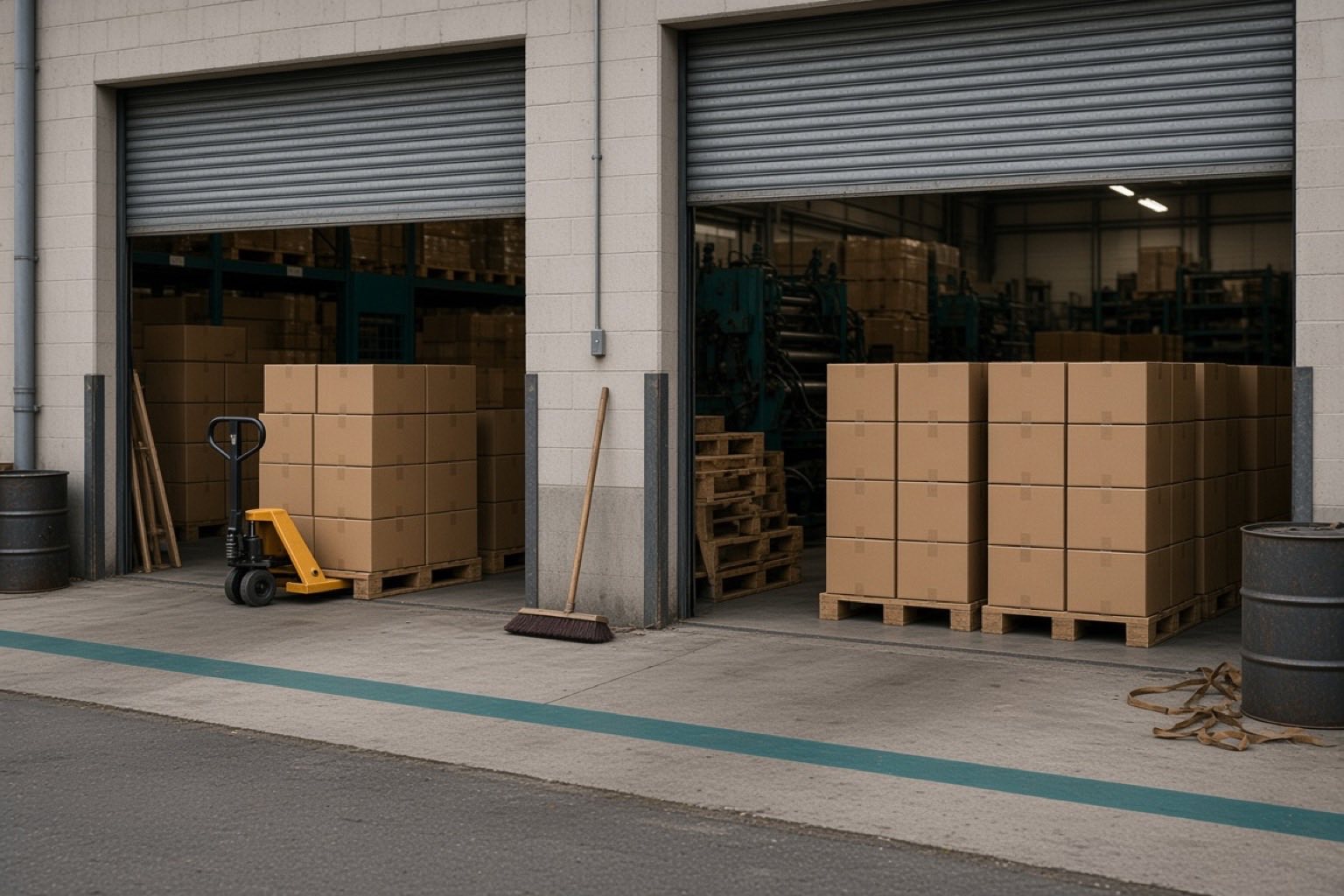
Two suppliers feel safer than one. Sometimes it is. The decision turns on tooling, set-up cost and how easily a second plant can make your box.
A specification error is paid for once in the price and again in the failure. These ten appear in almost every review.
Imported paper is not automatically better and domestic is not automatically cheaper. Four differences decide which one suits a box.
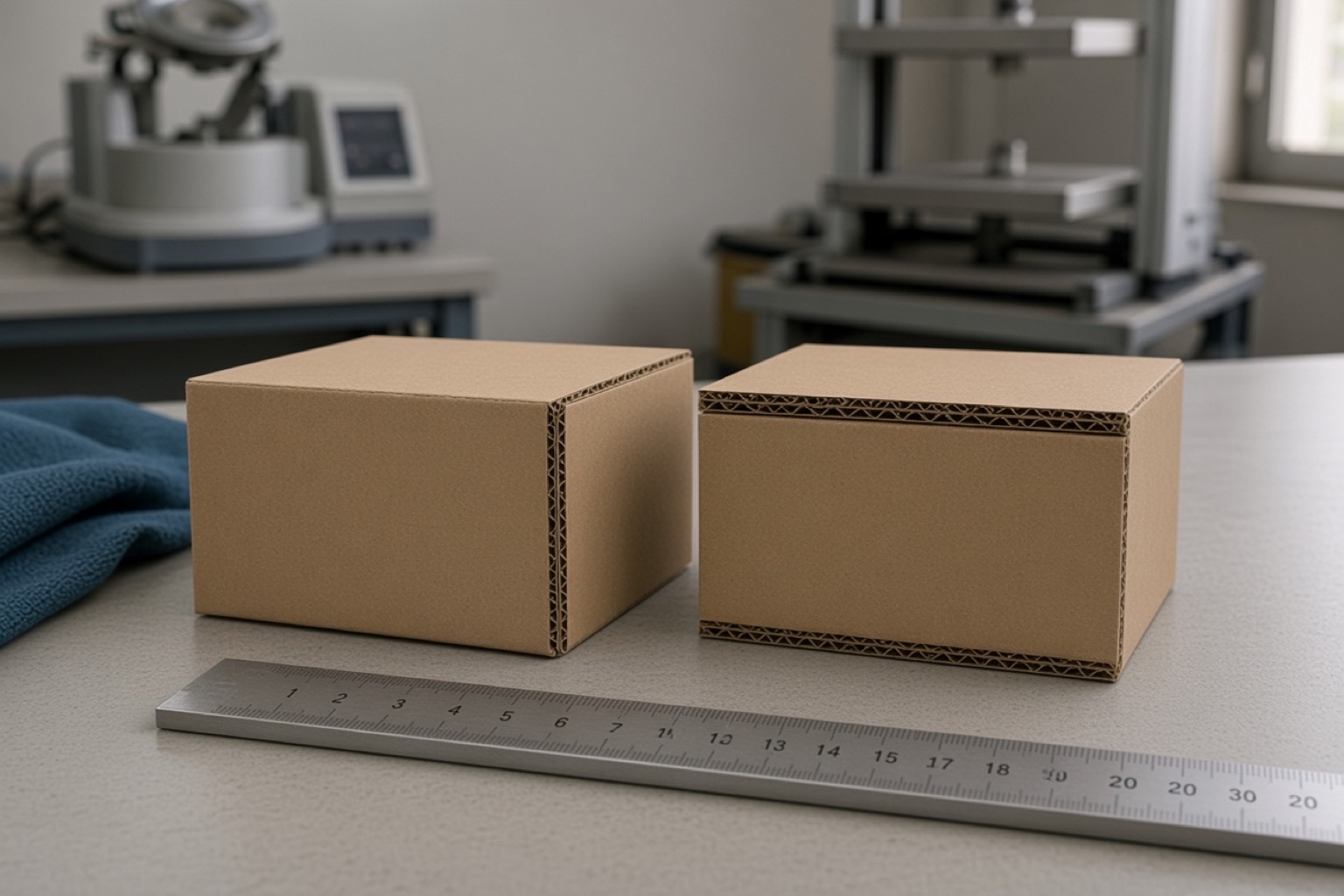
A real run across 120 specifications found 46 boxes that could be lighter without getting weaker. The pattern behind them is instructive.

Box weight and box strength are correlated, not equivalent. Confusing them is how catalogues end up heavy and still failing.
A priced list of paper grades, by weight and strength, is what turns a box specification into a number. Most buyers do not have one.

A corrugated board has two jobs and two kinds of paper. Knowing which layer carries the load changes what you specify.
Two designs, two prices, two opinions. A fixed comparison basis turns a debate about preference into a decision with a reason.

Most packaging contracts are silent on the things that cause disputes. Six clauses remove the argument before it starts.
Send the spec sheet you already have. Results in about a day; you pay only for the boxes improved.