Food-safe corrugated: what actually matters for direct contact
A corrugated box near food is not automatically a food-contact material. The rules depend on whether the box touches the food at all.
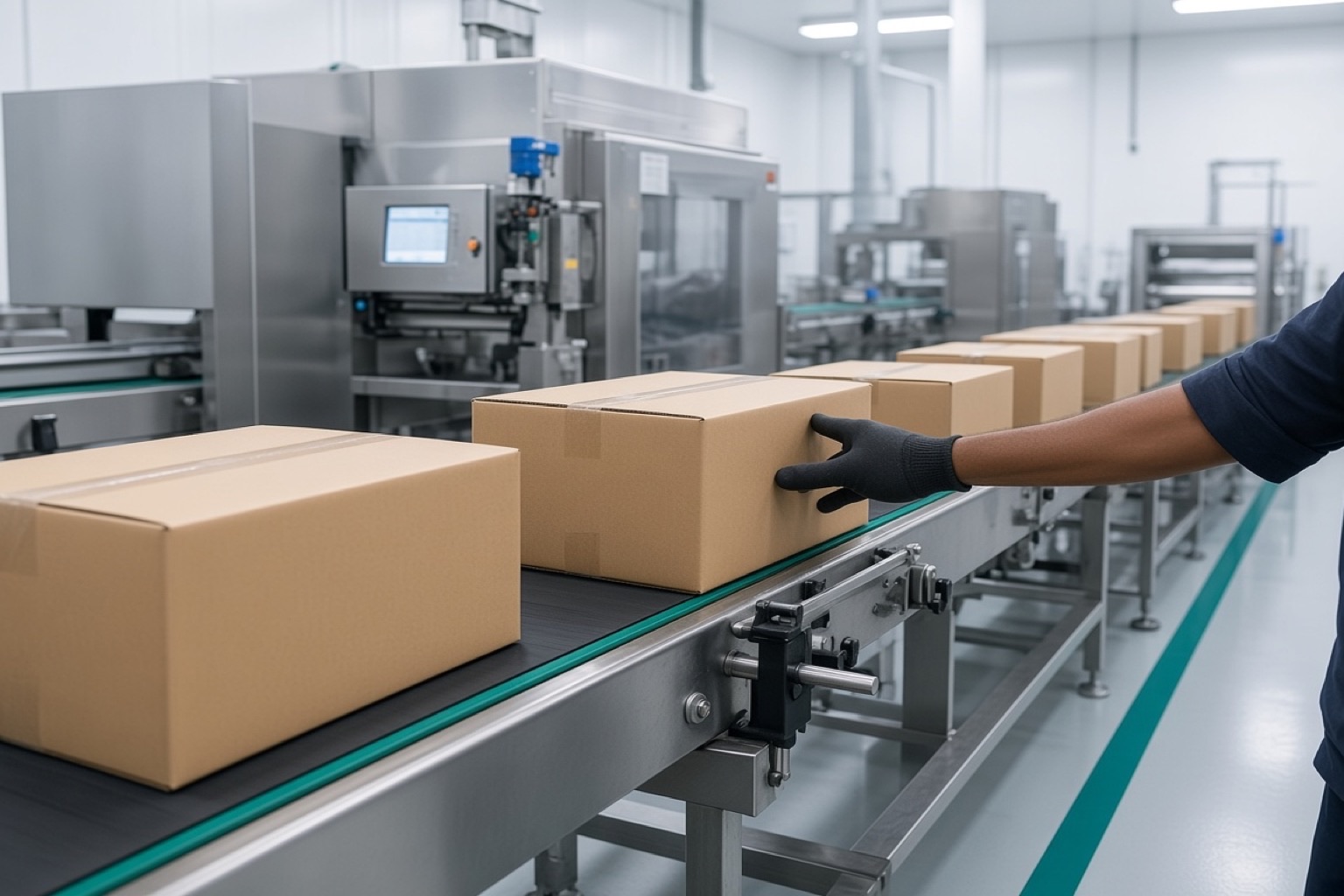
Food packaging conversations get confusing because two different questions get mixed together: is the food safe, and is the box suitable. A corrugated carton is usually a secondary pack, doing a handling job while a primary pack does the food-contact job.
Which means the first thing to establish is whether the box touches the food at all.
Three contact cases
| Case | Example | What it needs |
|---|---|---|
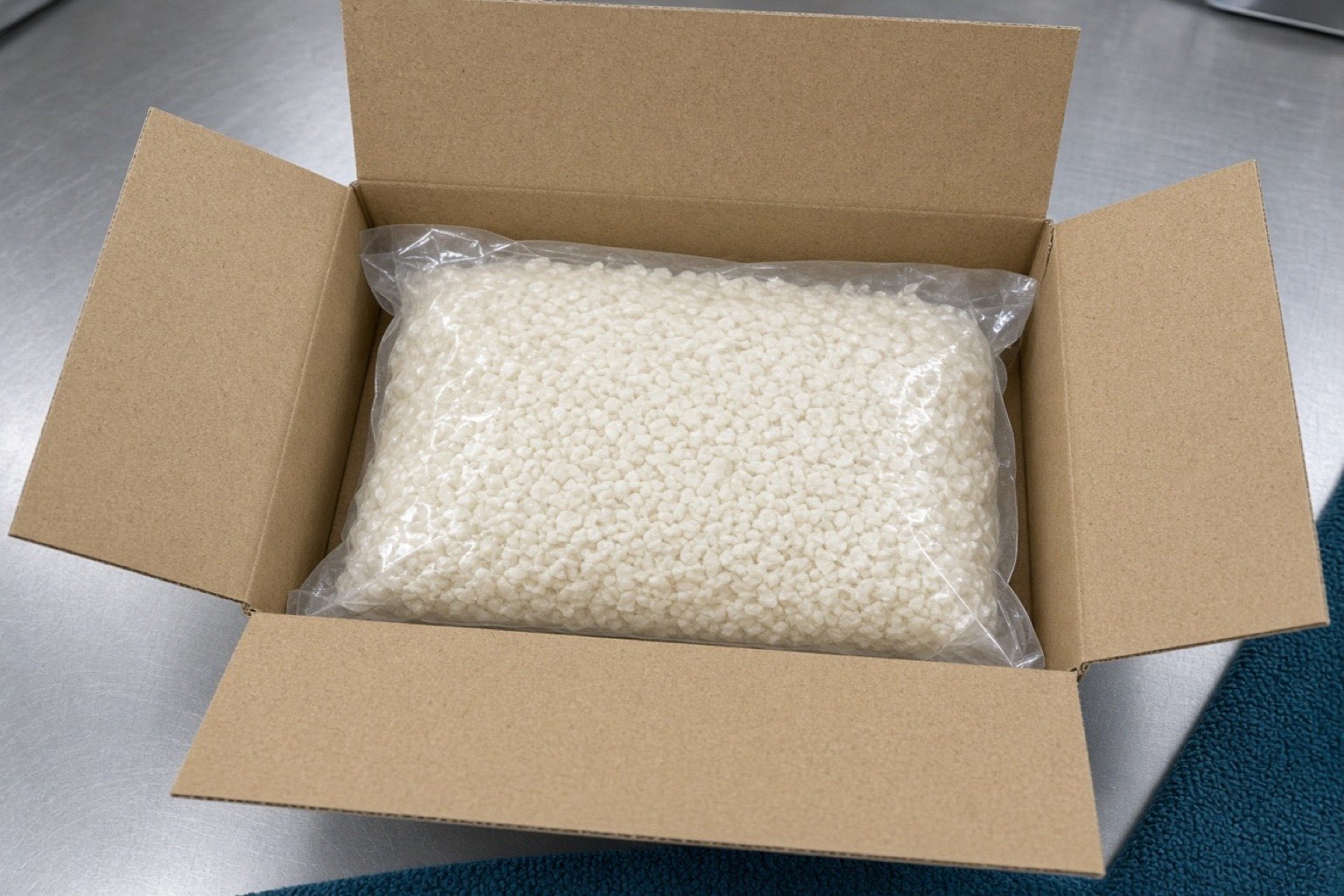
| No contact — secondary pack | A sealed pouch inside a carton | Normal specification, plus clean storage |
| Indirect contact — migration possible | Dry food in a paperboard carton | Grades and inks chosen for low migration |
| Direct contact | Loose produce, unwrapped bakery | A material specified for direct food contact |
The three are not interchangeable, and the specification has to say which one applies. A general-purpose box used in the third case is a compliance problem regardless of how good the board is.
What changes in the specification
Four things, and they are all about what goes on or into the sheet:
- Recycled content. Recovered fibre can carry residues. For direct contact this is a real constraint, and specialised grades exist for it.
- Inks. Printing on a food-contact surface requires inks suitable for that use. On a secondary box, ordinary inks are normal.
- Adhesives. The glue joint is a material like any other, and it sits in the same near-food environment.
- Coatings. A moisture or grease barrier is also a material, and its suitability has to be established rather than assumed.
None of these are exotic. They simply have to be specified, because a standard box is not specified for them.
The controls people forget
A suitable box stops being suitable if it is handled badly:
- Storage segregation. Board absorbs odours and moisture. A carton stored beside chemicals is a problem even if the board is fine.
- Damp storage. Moisture damages the box structurally and creates a hygiene risk at the same time.
- Pest control. Corrugated is an attractive material for pests, and a clean, dry, inspected store is part of the control.
- Date and lot traceability. When a food product is recalled, the packaging lot matters.
- Line hygiene. A box that is dropped on the floor and put back on the line is a handling failure, not a material one.
What to ask a supplier
Four questions, in writing:
- Is this grade suitable for the contact case I have described? Say which of the three cases applies.
- What is in the construction — recycled content, inks, adhesive, any coating?
- What evidence supports the suitability claim? A declaration with a basis is worth more than an assurance.
- How is it stored and shipped to me, and what are the storage conditions you expect at my end?
The judgement
Most food packaging is not a material problem; it is a specification problem. A secondary carton is a normal box doing a normal job, and treating it as special adds cost for no benefit. A direct-contact carton is a specialised product, and treating it as normal is a compliance risk.
Establishing which case you are in costs one conversation, and it decides everything after it.
Sources
- Food Safety and Standards Act, 2006 and the regulations made under it, including provisions on packaging that comes into contact with food — confirm the current text and any amendments.
- Codex Alimentarius, General Principles of Food Hygiene (CXC 1-1969) — separation of packaging from contamination sources.
- ISO 22000, Food safety management systems — Requirements for any organization in the food chain.
- Fibre Box Handbook (Fibre Box Association) — board construction and grades.
- TAPPI T402 and ISO 187, standard conditioning atmospheres: 23 °C, 50% relative humidity.
This is practice guidance, not regulatory advice. Confirm the applicable requirements for your product and market with a qualified food safety professional.
Questions
- Is corrugated board a food-contact material?
- Not by default. Corrugated is normally a secondary or tertiary pack, so it does not touch the food. If it does touch the food directly, it needs to meet food-contact requirements for that use, which is a different specification.
- What changes when a box touches food directly?
- The material must be suitable for direct contact, which typically means controls on the recycled content, the inks, the adhesives and any coating, plus evidence of that suitability. A general-purpose box does not meet this.
- Does FSSAI regulate packaging?
- Food safety regulation in India addresses packaging that comes into contact with food, alongside the general requirement that food be safe. Confirm the current requirements for your product with your food safety advisor rather than relying on a summary.
- Can I use recycled board for food packaging?
- For a secondary or tertiary box that does not touch the food, recycled board is normal. For direct contact, the recycled content and any printing or coating become a constraint, and specialised grades are used.
- What is the practical control most often missed?
- Storage. A perfectly suitable box stored next to chemicals, or in a damp area, is no longer suitable. Segregation and a clean, dry store are part of the packaging control, not an afterthought.
Check your own boxes, free
Send the spec sheet you already have. Results in about a day; you pay only for the boxes improved.
About the author

Ashish KD Mathpal (PackPrism | PackWares)
Founder, PackPrism · packaging cost advisory
Twenty-two years in packaging, most of it on paper and paperboard: how a board carries load, why a specification is what it is, and where the cost quietly leaks out.