Imported or domestic kraft: what changes in the box
Imported paper is not automatically better and domestic is not automatically cheaper. Four differences decide which one suits a box.
The imported-versus-domestic paper question is usually argued as a matter of quality. It is more useful as a matter of fit: four differences decide which one suits a particular box, and origin is only one of them.
The four differences
| Difference | Why it matters |
|---|---|
| Lead time | Weeks more, which changes how much stock you carry |
| Minimum order | Often large, which suits a high-volume box and not a small one |
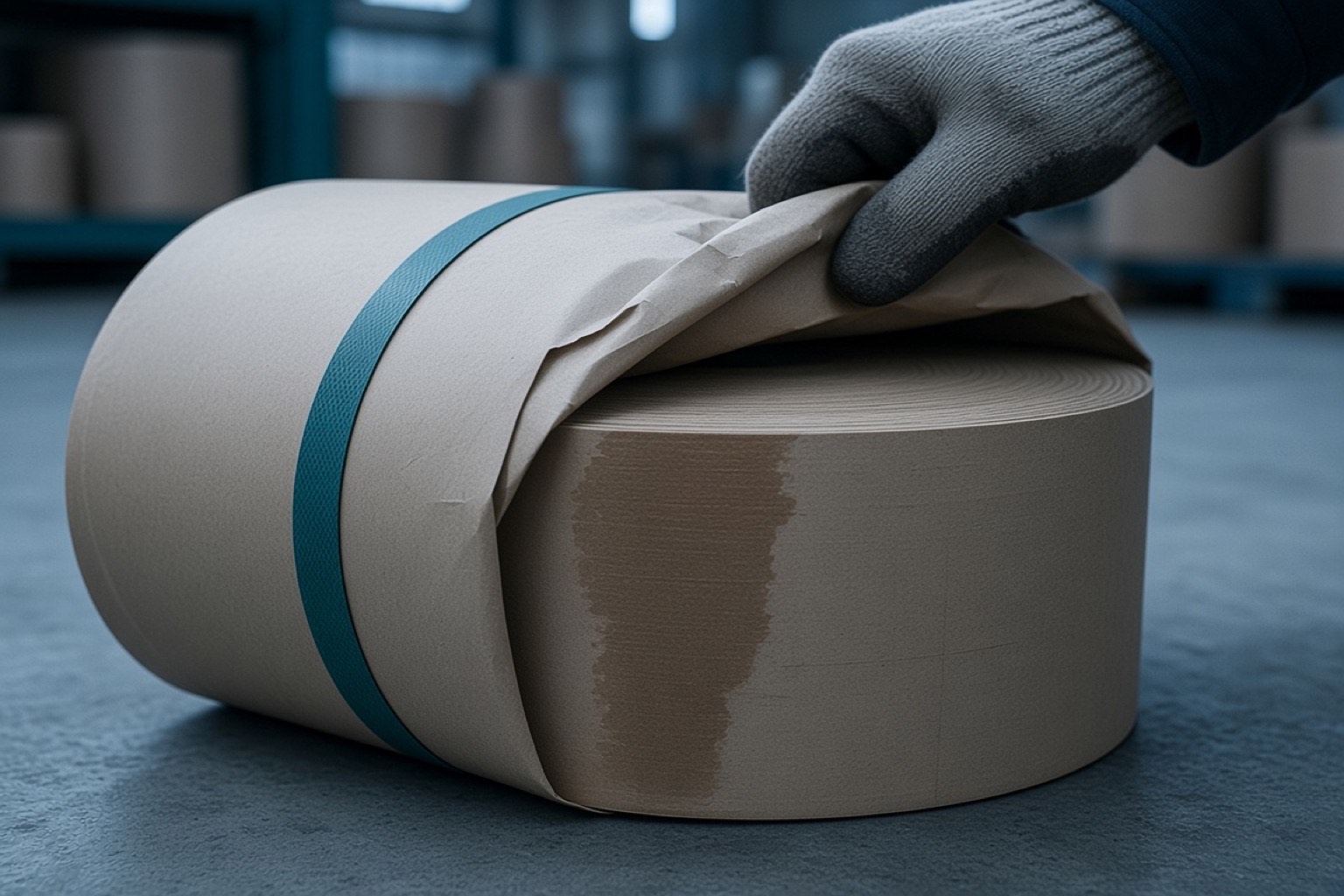
| Transit exposure | Moisture at the reel edges, and handling in transit |
| Market basis | Currency and pulp move independently of local prices |
None of these is a reason to avoid imported paper. Each is a reason to plan for it.
What actually decides quality
Not origin. Three things:
- The grade's test data — burst, ring crush, and the furnish. Ask for it, and ask which standard it was tested to.
- Consistency — the variance between reels matters as much as the average. A grade that averages well and varies widely is harder to run.
- The conditioning — paper measured at 23 °C and 50% relative humidity is comparable; paper measured otherwise is not, whoever made it.
A domestic grade with published test data beats an imported grade with a reputation. That is the whole comparison, and it is answerable in one email.
Where imported paper wins
Three cases, honestly:
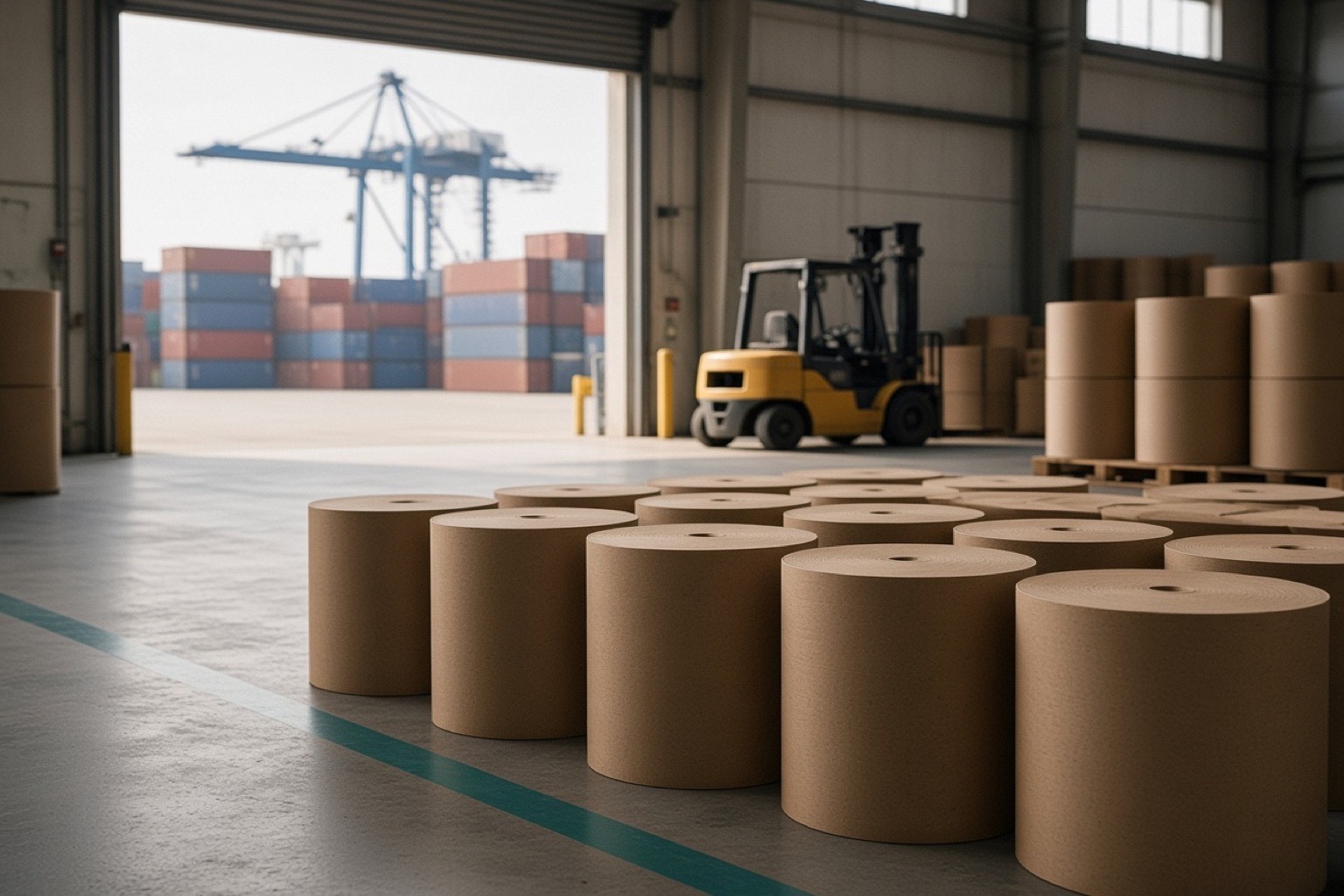
- A grade that is not made locally, or not made to that specification. Some liner grades simply have to come from outside.
- A price window where currency and pulp combine to make it cheaper on a landed basis.
- A very large requirement, where the minimum order is not a constraint and the lead time is absorbed by planning.
Where domestic paper wins
- Small or irregular volumes, where a minimum order would tie up capital.
- Short lead times, especially for a design change or a new product launch.
- Frequent specification changes, because you can iterate quickly.
- Support when something goes wrong, which is easier with a supplier a few hours away.
How to compare properly
Two rules:
Compare landed cost, not rate. Freight, duty, insurance, storage and the cost of the extra working capital all belong in the number. A rate that is 4% lower and a lead time three weeks longer is not obviously cheaper.
Compare strength per rupee. If the imported grade needs a lower grammage to reach the same duty, the rate comparison is misleading in your favour. If it needs a higher one, in theirs.
The test that settles it is a box test on a sample made from each paper. Which sounds expensive until you compare it with a season of complaints.
The judgement
Paper origin is a supply decision, not a quality judgement. The buyer who wins is the one who specifies a duty, gets test data against it, and compares landed cost — because then the origin stops mattering and the numbers start.
Sources
- TAPPI T810 and ISO 2759, bursting strength of paper and board.
- TAPPI T822 and ISO 12192, ring crush of paper and board.
- TAPPI T811 and ISO 3037, edgewise crush resistance of corrugated board.
- TAPPI T402 and ISO 187, standard conditioning atmospheres: 23 °C, 50% relative humidity.
- ISO 9001, Quality management systems — Requirements, for supplier qualification.
Test data is only comparable when the method and the conditioning match. Ask for both alongside any figure.
Questions
- Is imported kraft paper better than domestic?
- Not universally. Some imported grades are excellent and some are ordinary, and the same is true domestically. What matters is the specification and the test data for the grade you are buying, not the origin.
- Why is imported paper sometimes cheaper?
- Currency, mill scale and the global pulp market all move independently of local costs. A favourable exchange rate can make an imported grade cheaper for a period, and the same mechanism can reverse it.
- What are the risks of imported paper?
- Lead time, minimum order quantity, moisture exposure during transit, and less flexibility if something is wrong with the reel. Each is manageable but needs to be planned rather than discovered.
- Does transit damage paper?
- It can, particularly moisture at the reel edges, which affects the outer wraps and can cause running problems. Good wrapping and dry storage are part of the product, not logistics detail.
- How should I compare two paper offers?
- On strength per rupee, at the same conditioning, with the same test methods, and with the landed cost including freight, duty and any storage. Comparing on rate per kilogram alone hides the differences that matter.
Check your own boxes, free
Send the spec sheet you already have. Results in about a day; you pay only for the boxes improved.
About the author

Ashish KD Mathpal (PackPrism | PackWares)
Founder, PackPrism · packaging cost advisory
Twenty-two years in packaging, most of it on paper and paperboard: how a board carries load, why a specification is what it is, and where the cost quietly leaks out.