E-commerce box requirements without over-boxing
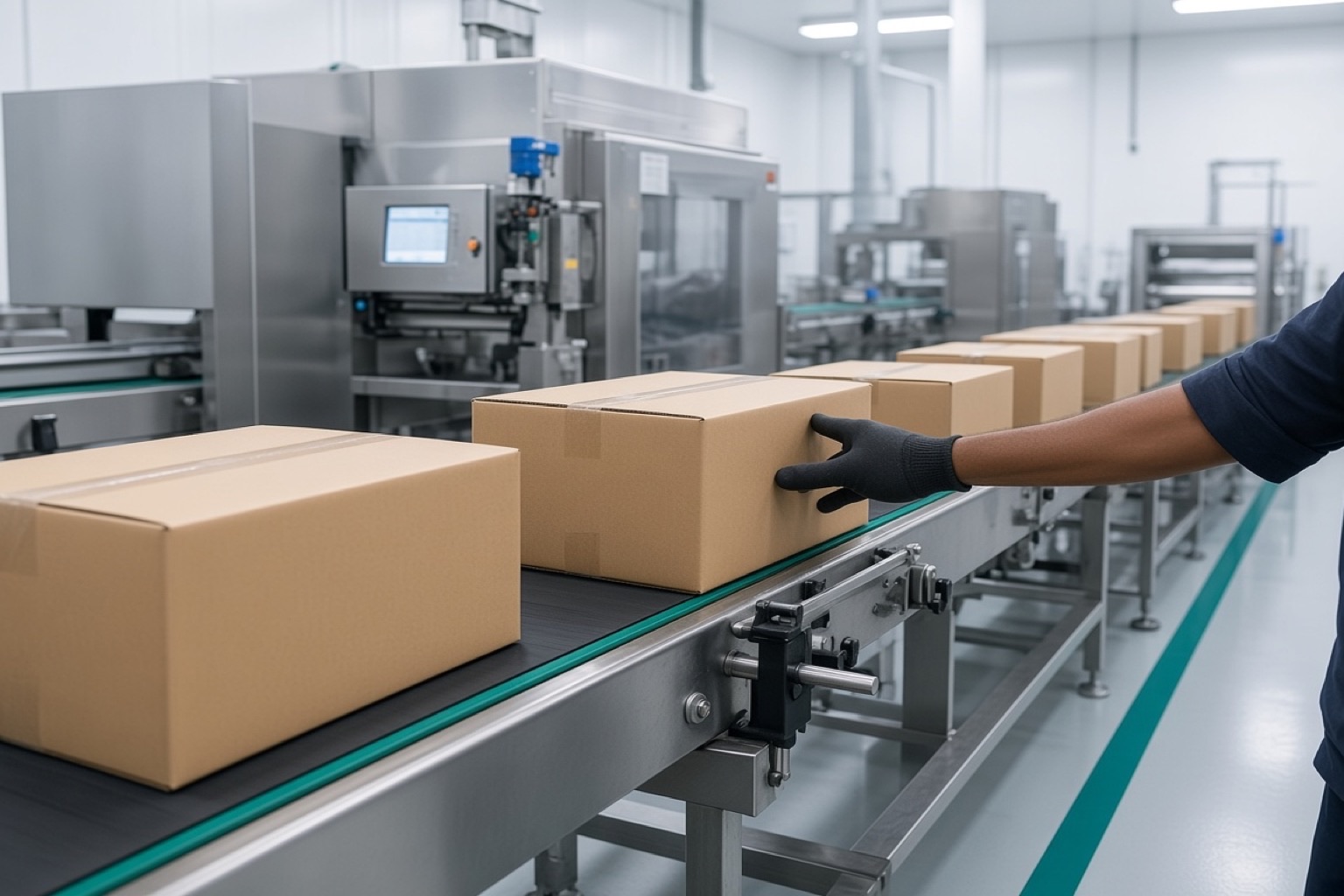
Marketplace packaging rules reward a box that ships in its own container. Meeting them usually means removing packaging, not adding it.
Marketplace packaging programmes are usually read as a compliance burden: another rule, another test, another redesign. Read the other way, they are the strongest commercial argument for using less packaging that a box buyer will ever get — because the incentive is built into the fee structure, not into a sustainability report.
The programmes differ, the details change, and any summary goes stale. What does not change is the direction of the pressure, and the engineering that answers it.
What the programmes are actually asking for
Three shapes of requirement, common across the large marketplaces:
| Requirement | What it means in practice | What it costs you to meet |
|---|---|---|
| Ship in own container | The retail carton survives delivery with no over-box | Board and design work on the retail carton |
| Reduced packaging tiers | No double bagging, no unnecessary void fill | Better fit, better cushioning |
| Testing to a protocol | Drop, vibration, compression through a defined cycle | A test, and a redesign if it fails |
All three pull in the same direction: fewer layers, better fit, evidence that it survived. None of them asks for a stronger box in the abstract. They ask for a box that does the job without a second box helping it.
That distinction matters, because the reflex response to "the product arrived damaged" is to add board. The programmes reward the opposite: fix the fit, then prove it.

Why over-boxing loses on physics as well as cost
A product loose in a large box has room to accelerate before it hits a wall. Cushioning that is loose enough to shift absorbs less than cushioning held against the product. So the oversized box is not just wasteful; it is often the reason for the damage that prompted the extra packaging in the first place.
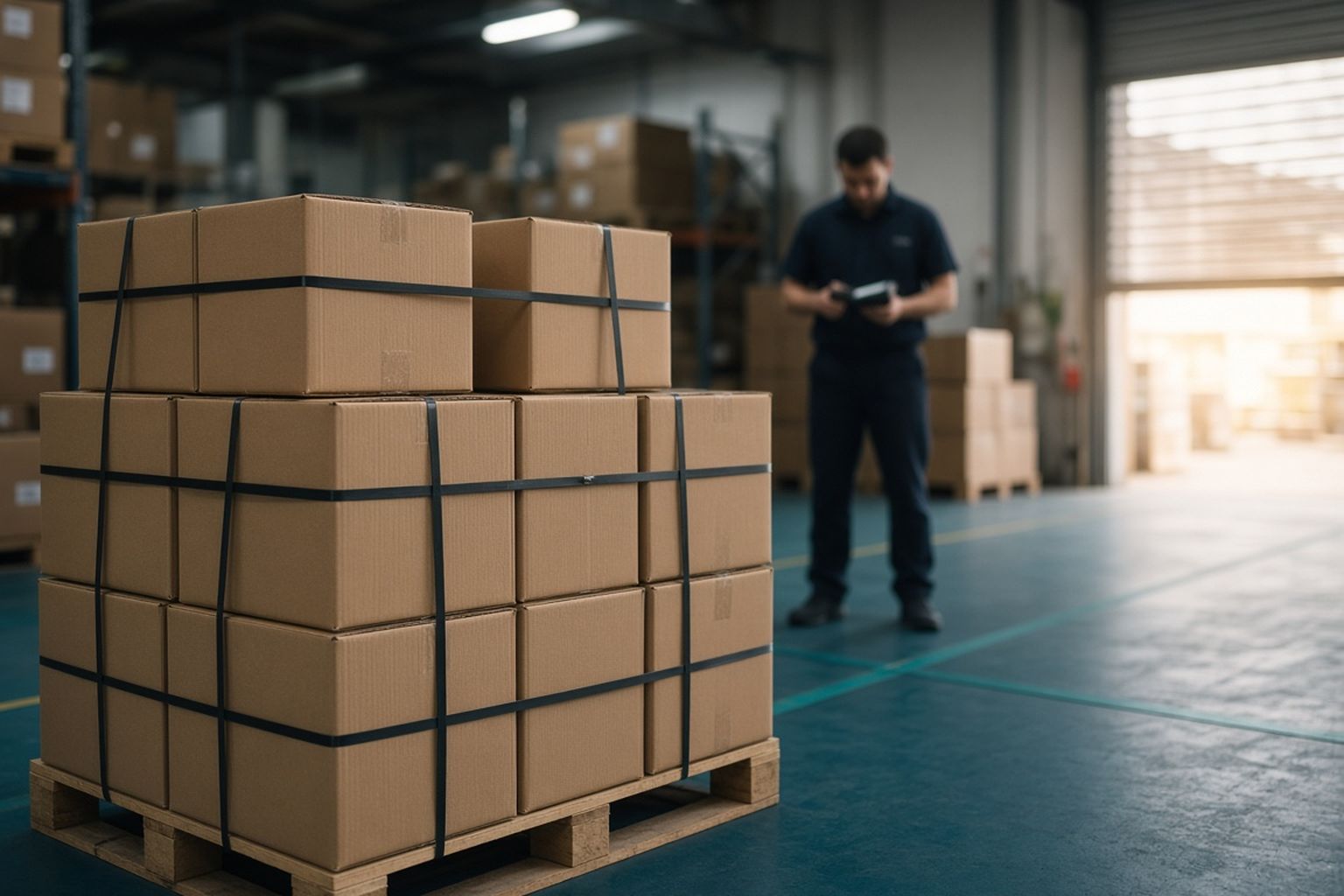
There is a second effect that buyers rarely count: volume. Parcels are charged and consolidated by size as much as by weight. Excess space per parcel becomes fewer parcels per pallet, fewer pallets per truck, more trips. The board saving from a smaller box is the smaller half of the win.
The engineering that meets the requirement
Five moves, in the order they usually pay:
- Count your real order mix. Most catalogues use far more box sizes than their order profile justifies, and most orders use a size that fits badly. A small number of well-chosen sizes, plus a defined rule for when to use each, beats a large catalogue.
- Size to the product, not to the shelf. Retailers often specify a carton by shelf presence. A shipping dimension that is 20 mm too generous is paid on every parcel and hurts the product in transit.
- Choose the right board for the duty, not the strongest available. A parcel that carries nothing on top of it needs far less compression strength than a palletised case. Putting a pallet-grade board on a single parcel is the most common over-specification in e-commerce.
- Test the design through the cycle. Drop, vibration and compression are the recurring three. Whatever protocol your marketplace uses, the test is what turns a design argument into a fact.
- Re-check when the product changes. A new inner pack, a heavier variant, a change from glass to pouch: each one changes the duty, and the box is usually left as it was.
The uncomfortable part for a buyer
If your parcel can meet a marketplace protocol in a lighter board than you use today, you have been paying for strength the parcel never needed. That is not a failure of the box — it is the predictable result of a specification that was never checked against a distribution cycle.
The reverse is also true, and it is where damage complaints come from: a parcel specified on board weight with no test at all, in a network that drops and vibrates it repeatedly.
Either way, the answer is the same and it is not a negotiation. It is a comparison against a duty, confirmed by a test.
Sources
- ISTA 3A, Packaged-Products for Parcel Delivery System Shipment — the parcel distribution test series.
- ISTA 6-Amazon.com series, test protocols for marketplace packaging programmes (check the current programme documents for the applicable series).
- ASTM D4169, Standard Practice for Performance Testing of Shipping Containers and Systems.
- ASTM D642, Standard Test Method for Determining Compressive Resistance of Shipping Containers, Components, and Unit Loads.
- ISO 4180, Complete, filled transport packages — General rules for the planning of performance tests.
- TAPPI T402 and ISO 187, standard conditioning atmospheres: 23 °C, 50% relative humidity.
Marketplace packaging programmes and their test requirements are set by each marketplace and change. Check the current seller packaging guidelines before you commit a design.
Questions
- What does ships in own container mean?
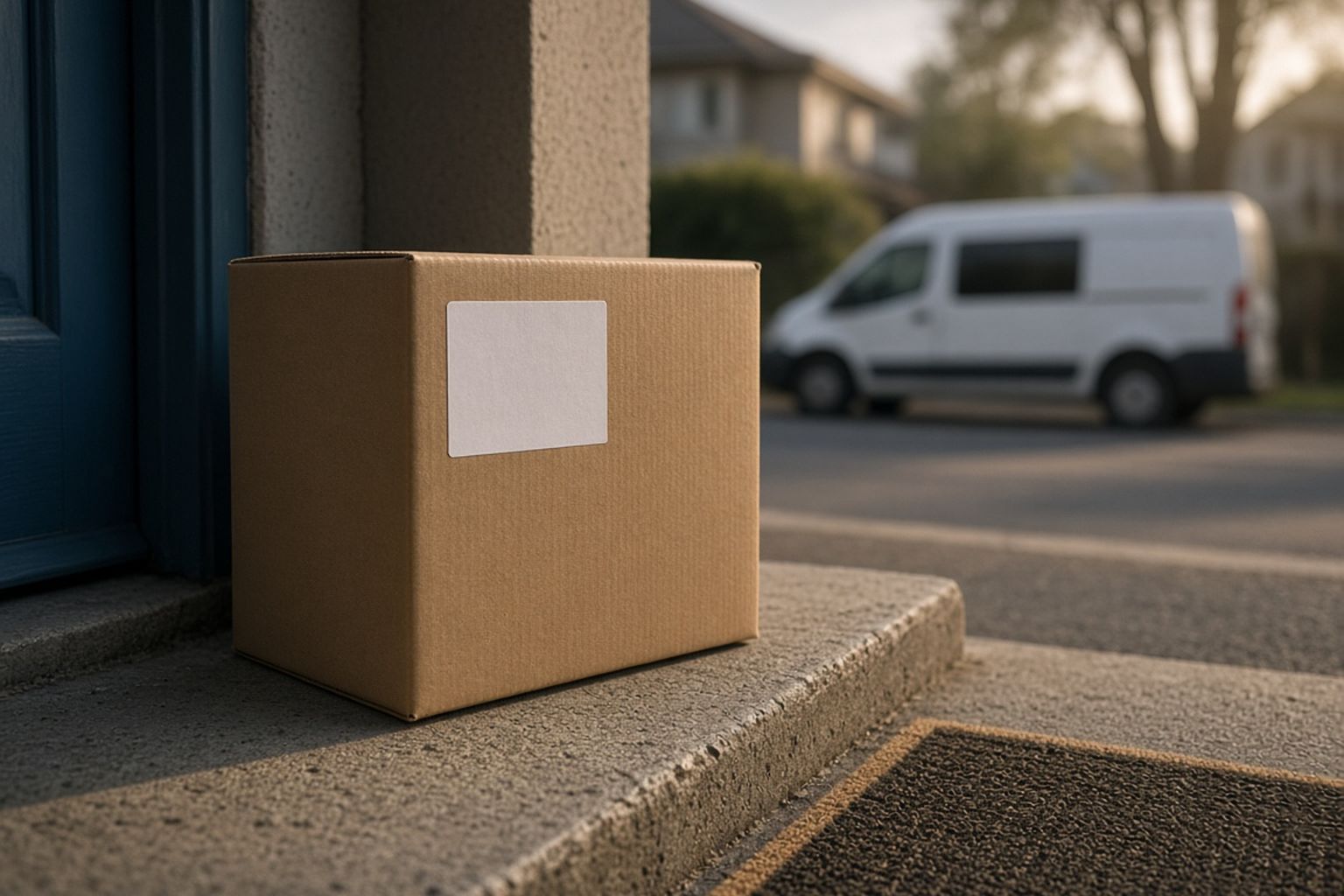
- It means the product goes to the customer in the retail carton itself, with no outer shipping box, and that carton has to survive the delivery network on its own. Marketplaces offer incentives for it because it removes a whole layer of packaging.
- Do marketplace packaging rules change?
- Yes, and more often than annual planning cycles. The categories and test requirements are set by each marketplace, so treat any summary as a starting point and check the current seller packaging guidelines before you commit a design.
- Which test standards apply to e-commerce parcels?
- Parcel distribution is covered by the ISTA 3A series and by ASTM D4169 for distribution cycles, with marketplace schemes layering their own test protocols on top. Vibration, drop and compression are the recurring three.
- Is a bigger box with more void fill safer?
- Usually not. Excess space lets the product move, which concentrates drop energy on the product rather than spreading it, and it costs more board and more fill. A box sized to the product with the right cushioning performs better and ships cheaper.
- How do I cut packaging cost without increasing damage?
- Standardise on fewer box sizes matched to your actual order mix, size each to the product with the cushioning it needs, and test the design through the distribution cycle instead of adding protection after a complaint.
Check your own boxes, free
Send the spec sheet you already have. Results in about a day; you pay only for the boxes improved.
About the author

Ashish KD Mathpal (PackPrism | PackWares)
Founder, PackPrism · packaging cost advisory
Twenty-two years in packaging, most of it on paper and paperboard: how a board carries load, why a specification is what it is, and where the cost quietly leaks out.