EU packaging rules and the Indian exporter: what actually changes
The EU packaging regulation moves the argument from weight to design. For an exporter, the first question is whether a box is empty space.
European packaging rules get discussed in India as a compliance burden arriving by email. The more useful way to read them is as a customer expectation that happens to align with an obvious cost problem: too many boxes carry too much air.
This note is about the practical consequence, not the legal text. Dates and obligations change, so confirm the current rules for your product and your customer before you plan.
Four things the rules push towards
Whatever the fine print, the direction is consistent:
| Pressure | What it means for a box | What it costs you to ignore |
|---|---|---|
| Recyclability | Avoid laminates and coatings that block fibre recycling | A customer finding a different supplier |
| Less empty space | Size the box to the product | Board, void fill, freight, damage |
| Fewer layers | No over-boxing, no double bagging | Material cost and a compliance question |
| Evidence | Be able to explain a packaging decision | A claim you cannot support |
None of those asks for a stronger box. All of them ask for a better-fitting one, which is why the cost and the compliance argument point the same way.
Start with empty space
Empty space is the cheapest thing to fix and the easiest to find.
A parcel with loose void fill is paying three times: for the board in the oversized box, for the fill material, and for the freight on volume that carries nothing. And it is often the cause of damage, because a product loose in a box accelerates before it hits a wall.
Two measurements will tell you how bad it is:
- Fill ratio — product volume divided by internal box volume, across your top twenty SKUs by volume.
- Box size count — how many sizes you hold versus how many your order profile actually needs.
Most catalogues fail both. A reduction to a handful of well-chosen sizes, with a rule for which to use, usually cuts board and freight together.
Recyclability is about the whole pack
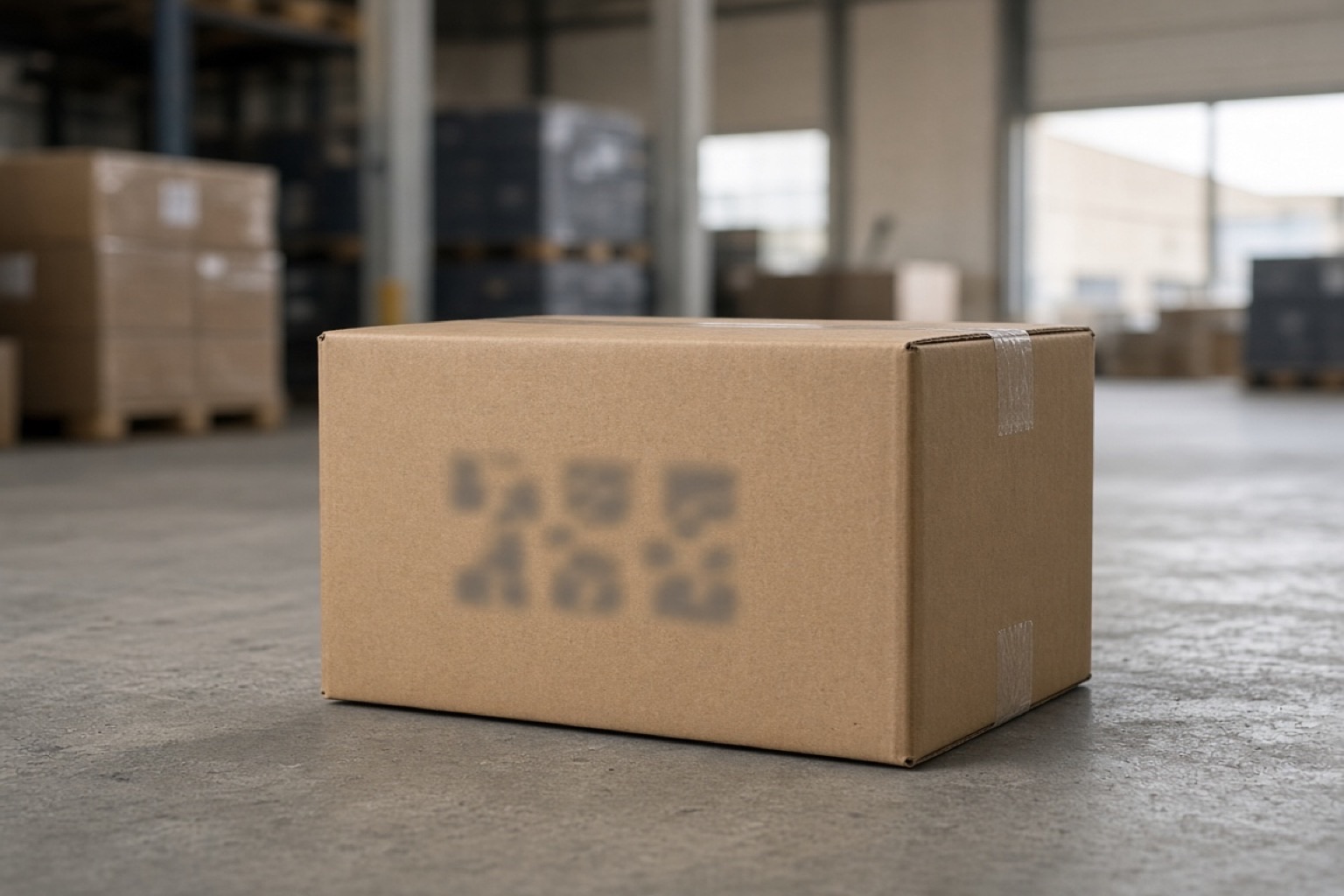
A corrugated box is one of the most recycled packaging formats there is. The complications come from everything added to it:
- plastic tape across the seams;
- laminated or coated surfaces;
- glued-on labels and windows;
- heavy ink coverage;
- inserts of a different material.
If your customer's obligation is recyclability in practice, the question is not "is this a paper box" but "can this whole item go into the paper stream where the customer's consumers live". That is a design conversation, not a purchasing one.
The cheap wins are usually tape, inserts and coatings. The expensive one is a laminated print finish chosen for appearance.
What an exporter should actually do
Four practical steps, in order:
- Ask your customer which obligations they are passing down, and in what form. They know their market and their deadlines.
- Fix empty space and box count, which pays for itself regardless of regulation.
- Audit what is added to the fibre, and remove what is not needed.
- Keep a design basis. A one-page record of why each box is the size and construction it is will answer most questions, and it costs nothing to write.
The part that is genuinely new
Most of this is good packaging practice that has been commercially sensible for decades. What is new is that it is now being asked for in writing, by customers who have an obligation and a deadline.
That changes the value of documentation. A buyer who can say "this box was sized to the product, tested to this protocol, and carries these layers for this load" is easier to keep than one who says the box is the same as last year.
Which means the practical work is not regulatory — it is the specification discipline you would want anyway.
Sources
- Regulation (EU) 2025/40 on packaging and packaging waste (PPWR), and its implementing acts — check the current consolidated text and applicable dates.
- ISPM-15, Regulation of wood packaging material in international trade — the separate rule that applies to the pallets, not the cartons.
- ASTM D4169, Standard Practice for Performance Testing of Shipping Containers and Systems; ISTA series.
- ASTM D642, Standard Test Method for Determining Compressive Resistance of Shipping Containers, Components, and Unit Loads.
- TAPPI T402 and ISO 187, standard conditioning atmospheres: 23 °C, 50% relative humidity.
This is practice guidance, not legal advice. Obligations, thresholds and dates are set in the legislation and change; confirm the applicable rules for your product and market before relying on any summary.
Questions
- Does the EU packaging regulation apply to boxes made in India?
- It applies to packaging placed on the EU market, wherever it was made. If your cartons travel to an EU customer, the obligations sit with the economic operator placing the packaging on the market, and your customer will pass the practical requirements back down the supply chain.
- What does the regulation ask for in practice?
- The direction is recyclability, reduced empty space, limits on unnecessary layers, and evidence to support claims. The exact obligations and dates are set in the final legal text and its implementing acts, so check the current version rather than a summary.
- Which of these is cheapest to fix first?
- Empty space. Void fill and oversized boxes are a cost you already pay for in board, freight and damage, and reducing them answers the regulation and your own margin at the same time.
- Do I need new tests to comply?
- Compliance is not the same as testing, but evidence helps. Existing transit tests and a documented design basis are useful when a customer asks how a packaging decision was made.
- Is paper always the compliant choice?
- Paper is widely recycled, which helps, but recyclability depends on what else is on the pack: coatings, laminates, tape, labels and inks all affect whether the whole item can be recycled in practice. A fibre box with a plastic laminate is a different answer from a plain one.
Check your own boxes, free
Send the spec sheet you already have. Results in about a day; you pay only for the boxes improved.
About the author

Ashish KD Mathpal (PackPrism | PackWares)
Founder, PackPrism · packaging cost advisory
Twenty-two years in packaging, most of it on paper and paperboard: how a board carries load, why a specification is what it is, and where the cost quietly leaks out.