Approving a box sample: the five checks that catch most problems
A sample approval is the cheapest place to find a problem. Five checks, done properly, cost an hour and prevent a season of complaints.
A sample approval is a small piece of work in the wrong place in the calendar: it arrives when everything is agreed and everyone wants to move on. It is also the last cheap moment to find a problem.
The five checks
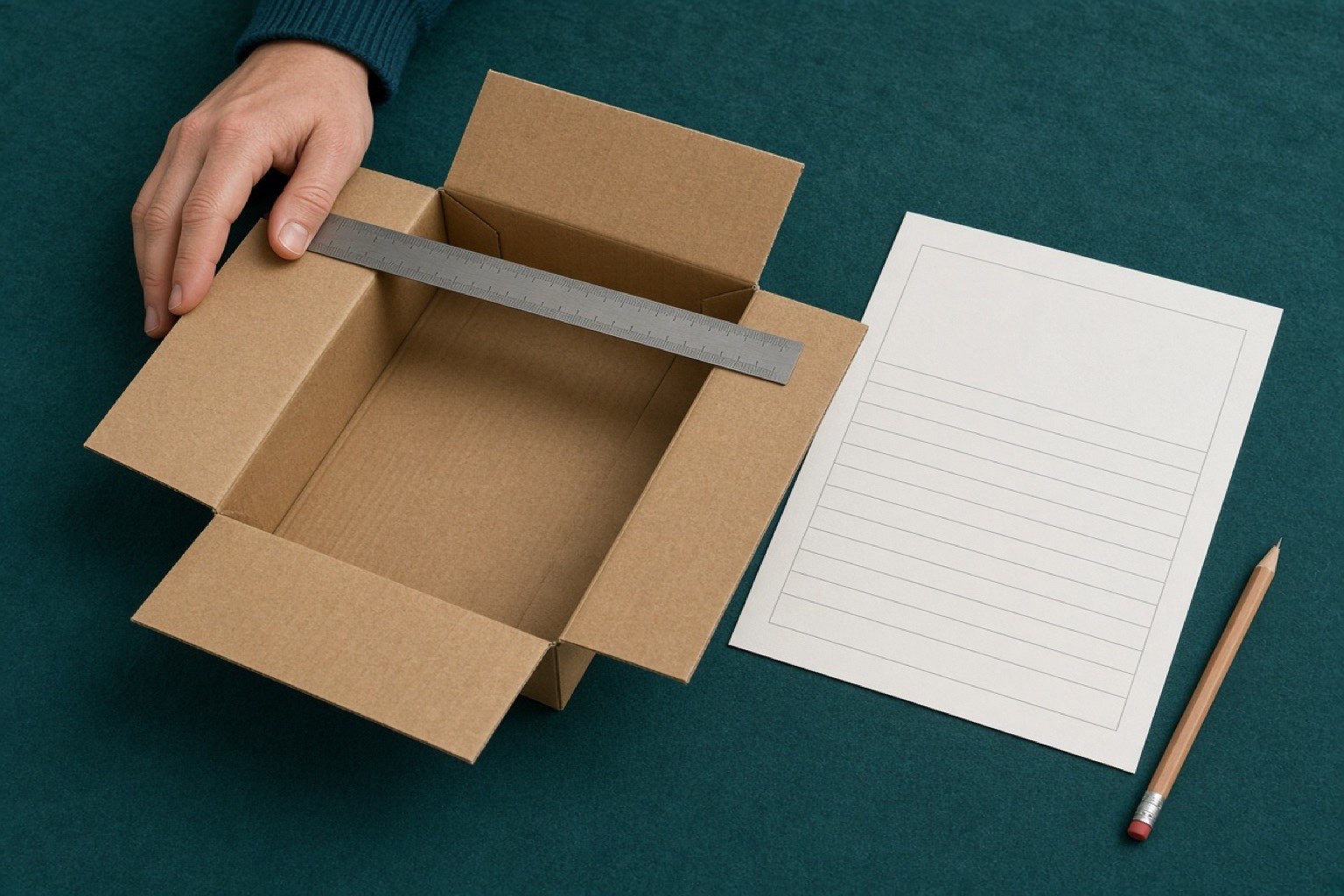
One: internal dimensions. Measure inside, not outside, and compare against the product's envelope plus required clearance. Tolerances matter: a box inside tolerance at the tight end can be unusable with a product at the large end.
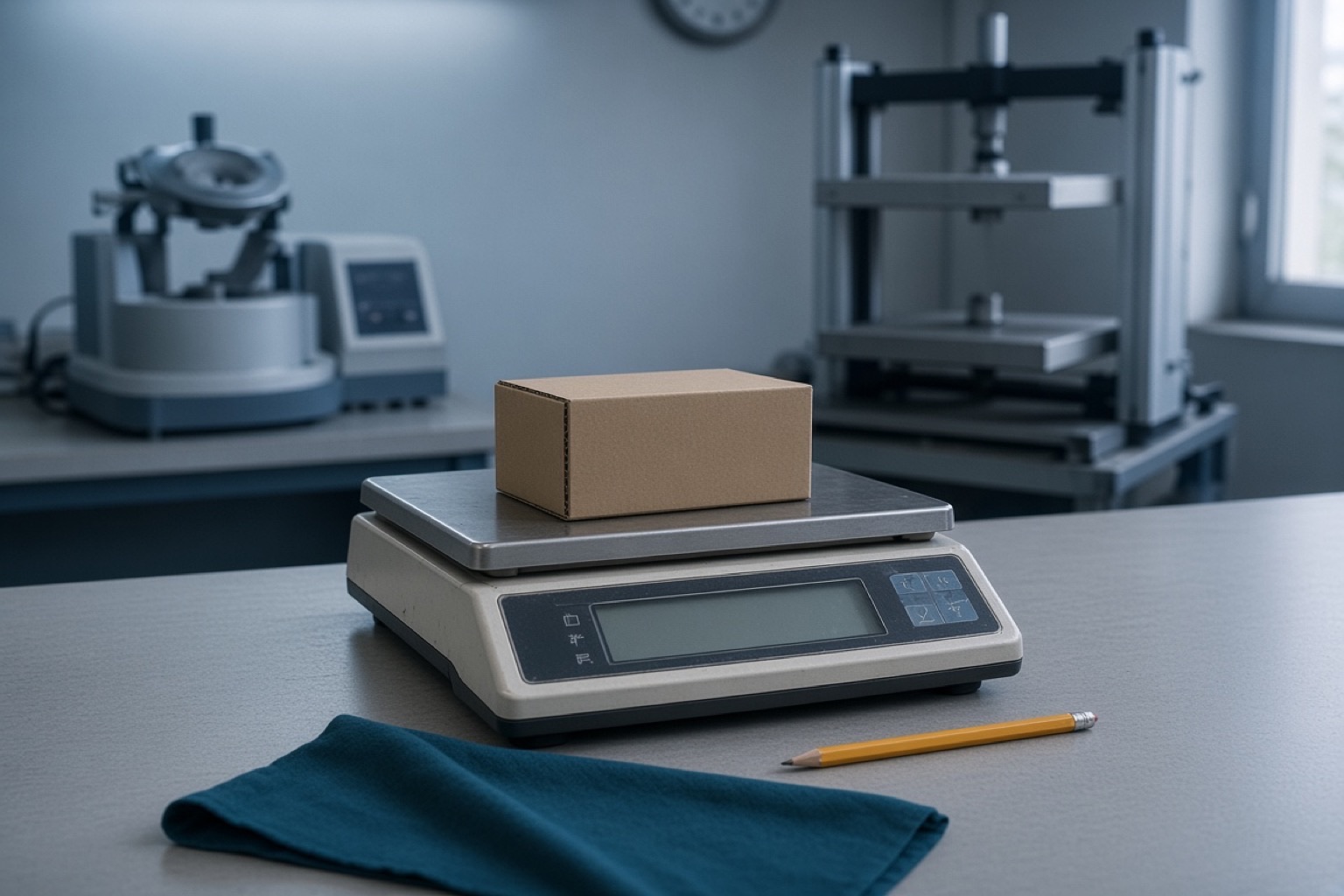
Two: construction and weight. Confirm the layers, the grammages if you can, and the flute. Then weigh the box. If the weight is below what the construction implies, the board is not what was quoted — and that is the single fastest tell available in a sample approval.
Three: print. Position, colour, registration, and legibility of any barcode. Check that the print does not sit across a panel and score in a way that weakens it.
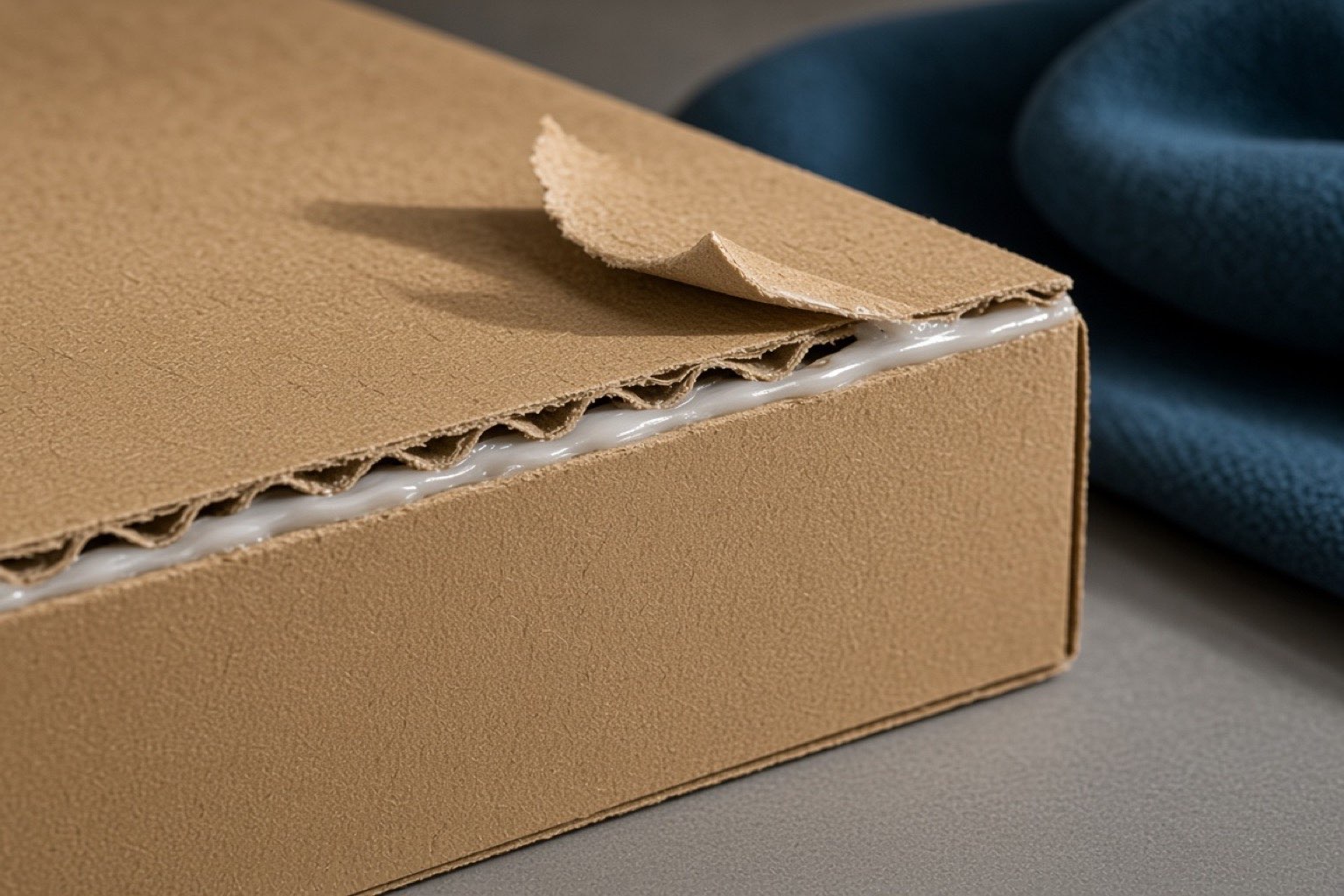
Four: the joint and the scores. The glue joint should be continuous and properly bonded, and the scores should fold without cracking the liner. These two cause more field failures than paper does.
Five: the real product, packed. Assemble the box, pack the product as the line will, close it, and handle it. Then drop it once. Most fit problems appear here and nowhere else.
What the record should say
Approving a sample is not a signature on a box. It is a record of what you accepted, so that a complaint in a year has something to refer to:
| Record | Why |
|---|---|
| Measured dimensions | The tolerance you accepted |
| Weight | The construction you believe you bought |
| Construction observed | The board you saw |
| Print approved | Artwork, colours and position |
| Deviations accepted | Anything you consciously let pass |
| Date and name | Who decided |
The deviations line is the one people skip, and it is the one that matters. If you accepted a slightly thinner board because of a supply constraint, write it down. Otherwise, eighteen months later, it looks like a supplier failure.
Two things people get wrong
Approving a hand-made pilot. A sample assembled by hand tells you what the design looks like. It does not tell you what the machine will produce. Ask for samples from a production run.
Approving one box. Corrugated varies. Two or three boxes from a run, measured the same way, tell you whether the process holds the tolerance or whether your single sample was lucky.
The judgement
An hour with a steel rule, a scale and the real product will find most of the problems that would otherwise arrive as complaints. It is unglamorous, it is cheap, and it is the point at which a specification either becomes a box or becomes an argument.
Sources
- ISO 3394, Dimensions of rigid rectangular packages — Transport packages.
- TAPPI T811 and ISO 3037, edgewise crush resistance of corrugated board.
- ASTM D642, Standard Test Method for Determining Compressive Resistance of Shipping Containers, Components, and Unit Loads.
- ASTM D4169, Standard Practice for Performance Testing of Shipping Containers and Systems.
- TAPPI T402 and ISO 187, standard conditioning atmospheres: 23 °C, 50% relative humidity.
Sample approval checks what was made against what was specified. It does not replace a compression or transit test on a new design.
Questions
- What should I check on a box sample?
- Internal dimensions, board construction and weight, print position and quality, the glue joint and scores, and how it performs with the real product inside. Five checks, all possible in an hour with a rule and a scale.
- Is weighing the sample worth it?
- Yes, and it is the fastest check. If the sample is lighter than the specification implies, the board is not what was quoted, and you have found it before a purchase order rather than after.
- Should the sample be tested or just measured?
- Both, for a new box. Measure and check it, then run a compression or transit test if the box carries a stack. A sample that measures correctly can still be short on strength.
- How many samples should be approved?
- More than one, from the actual production run rather than a hand-made pilot. Approving a single sample proves a box can be made, not that the process will make it consistently.
- What should be recorded in an approval?
- The measurements, the weight, the construction observed, the print approved, the date, the person and any deviation accepted. That record is what you refer to when a complaint arrives eighteen months later.
Check your own boxes, free
Send the spec sheet you already have. Results in about a day; you pay only for the boxes improved.
About the author

Ashish KD Mathpal (PackPrism | PackWares)
Founder, PackPrism · packaging cost advisory
Twenty-two years in packaging, most of it on paper and paperboard: how a board carries load, why a specification is what it is, and where the cost quietly leaks out.