Recyclability claims that survive a challenge
Most packaging recyclability claims fail on a technicality: the box is recyclable, the whole pack is not. Here is how to be precise.
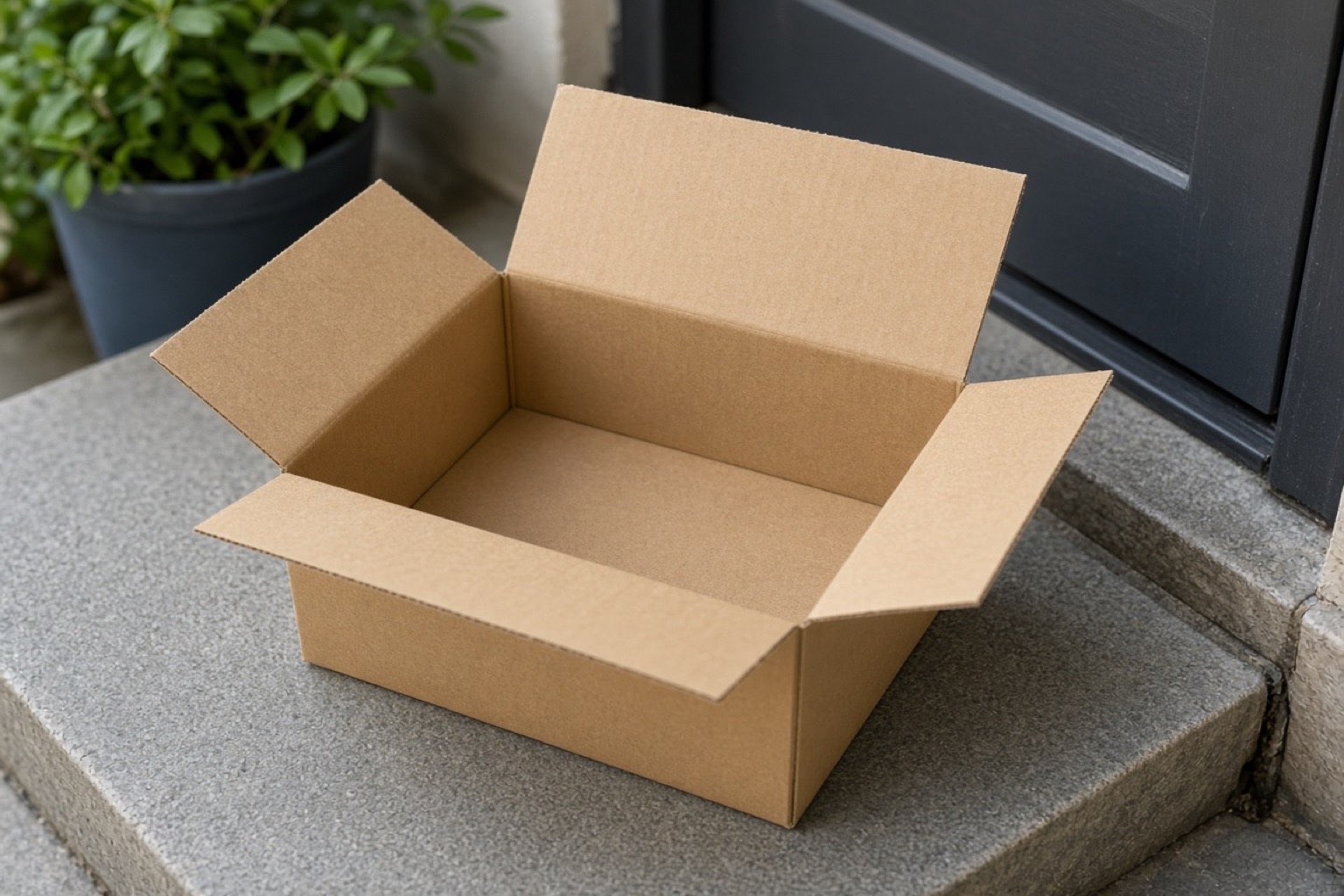
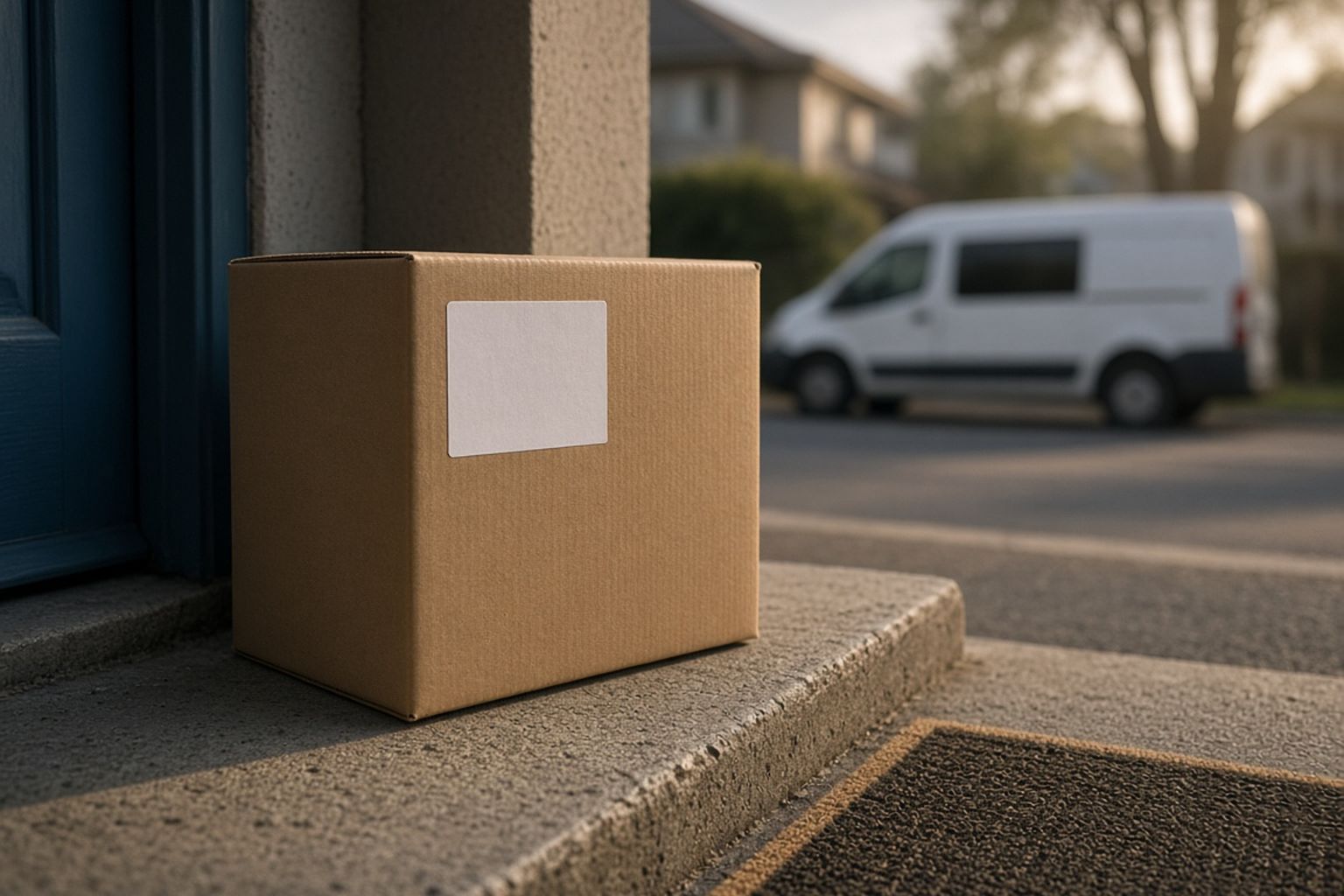
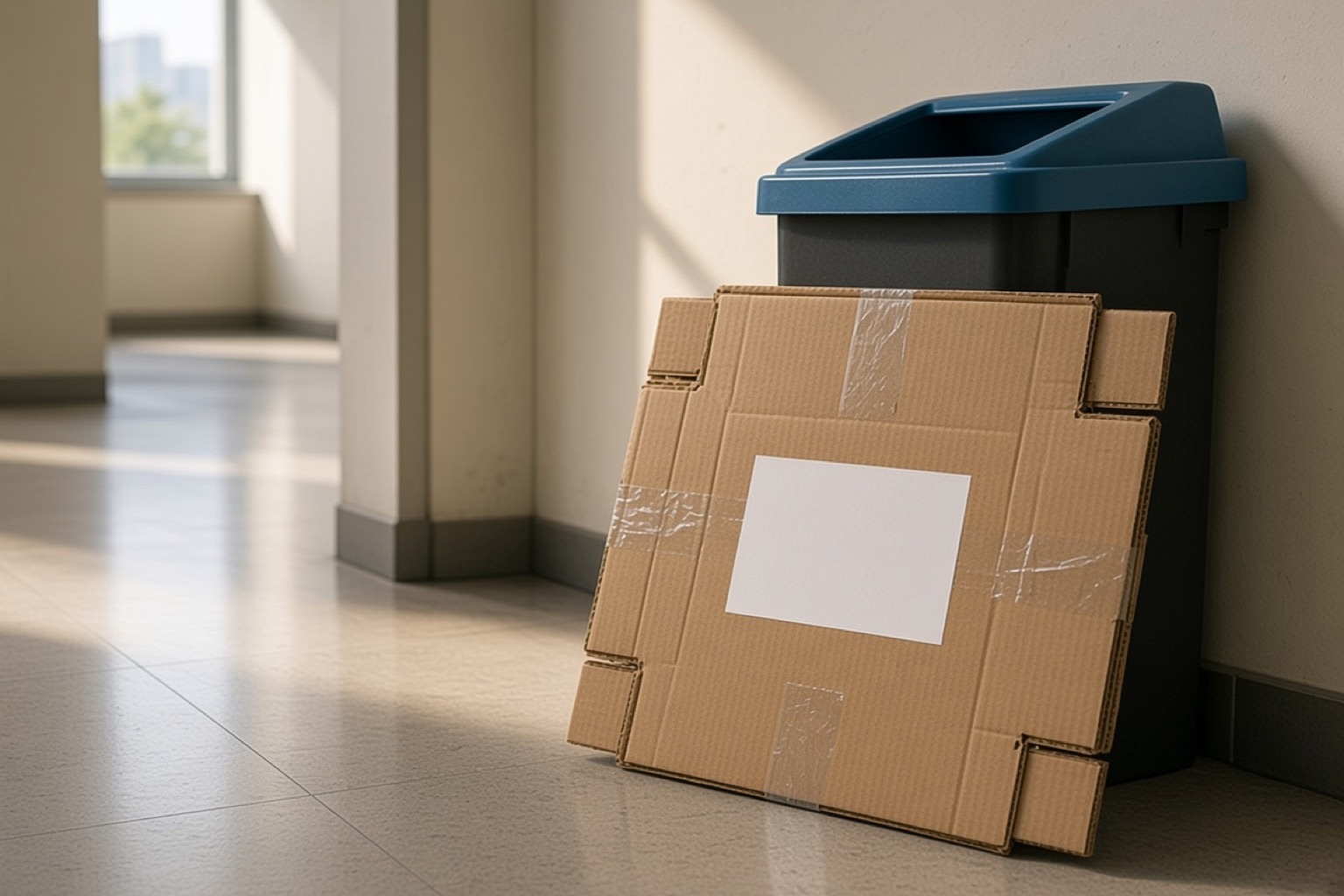
Recyclability claims are easy to write and easy to challenge. The challenge is almost never about whether corrugated can be recycled — it can. It is about whether the thing you shipped as a whole can be.
Three claims, three different meanings
Being precise starts with knowing which one you are making:
| Claim | What it actually says |
|---|---|
| The board is recyclable | A statement about the material |
| This pack is recyclable | A statement about the assembled item |
| This pack is recycled in practice | A statement about collection and processing where the customer lives |
Most marketing copy makes the second claim while only having evidence for the first. That is the gap a challenge lands in.
What breaks the second claim
Four things, in order of how often they matter:
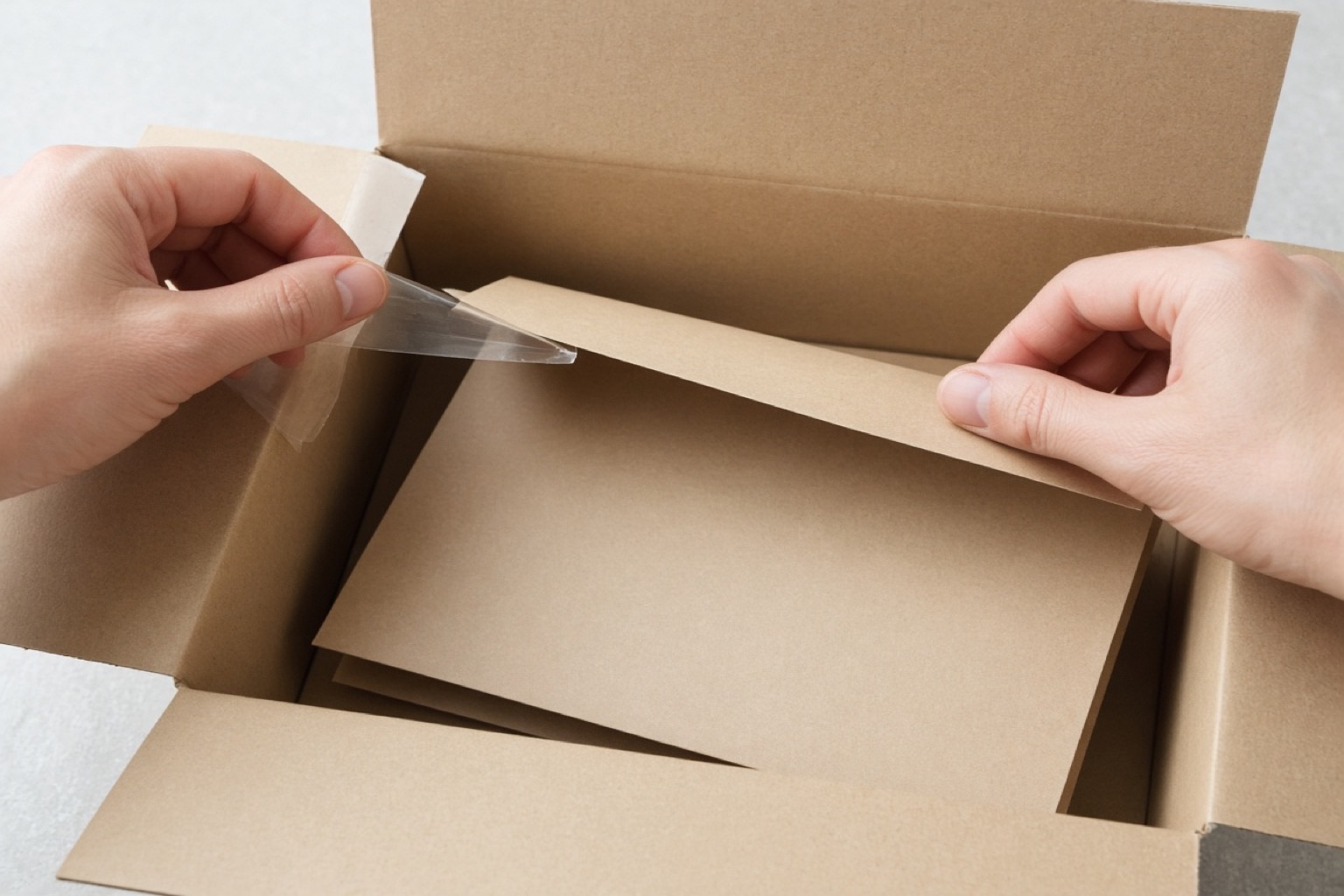
- Plastic tape. It has to be removed. A little is routine; a lot, or a strong adhesive that tears the liner, creates a sorting problem.
- Inserts of a different material. A plastic fitment inside a paper box makes the item a mixed pack.
- Coatings and laminates. A film or a heavy coating can take the board out of the repulpable stream.
- Windows and heavy labels. Small and paper-based is fine; large and plastic is not.
Every one of these is a design decision made for a reason, and each has a paper-based alternative. The question is whether anyone weighed the two.
Designing for the claim
Five changes that make the claim true, roughly in order of cost:
- Paper tape instead of plastic, or a self-seal strip on the flap.
- No plastic fitment where a folded paperboard fitment will do.
- Avoid coatings unless they are needed for a specific protection duty, and check compatibility when they are.
- Small paper labels, and a barcode printed directly where possible.
- Instructions on the box telling the customer what to remove.
The fifth is cheap and effective, and almost nobody does it.
How to word it
A claim that survives looks like this:
The box is made from corrugated board and is recyclable where paper is collected. Remove the tape before recycling.
That is honest, specific and actionable. It also quietly protects you: it states what the customer must do, which is the part that determines whether the claim is true in practice.
What fails is the sweeping version — "100% recyclable" on a pack with a plastic window and a laminated finish — because a single photograph of the item proves it wrong.
The commercial reason to care
This is not only a compliance matter. Two buyers now ask for it routinely:
- Customers with their own reporting obligations, who need packaging data they can put in a report.
- Retail and marketplace listings, which increasingly ask for material and recyclability information at SKU level.
Having a clean, honest statement per box — materials, removals, recyclability — turns an awkward email into a table you can paste. That is worth more than the design flourish the laminate was buying.
Sources
- Regulation (EU) 2025/40 on packaging and packaging waste (PPWR) — recyclability requirements and dates; check the current text and implementing acts.
- ISPM-15, Regulation of wood packaging material in international trade — applies to pallets, not cartons.
- ISO 14021, Environmental labels and declarations — Self-declared environmental claims.
- Fibre Box Handbook (Fibre Box Association) — board construction and repulpability considerations.
- TAPPI T402 and ISO 187, standard conditioning atmospheres: 23 °C, 50% relative humidity.
This is practice guidance, not legal advice. Recycling acceptance is decided by the receiving mill and the local collection system, so confirm both before publishing a claim.
Questions
- Is a corrugated box recyclable?
- Yes, corrugated is one of the most widely recycled packaging materials. The question is whether the whole item you ship reaches the paper stream intact, which depends on tape, labels, inserts and coatings.
- What is the difference between technically recyclable and actually recycled?
- Technically recyclable means the material can be processed. Actually recycled means it is collected and processed where the customer lives. A claim should be clear about which one it means.
- Do plastic tape and labels matter?
- Yes, in practice. Tape is removed by the mill or the sorter, and too much or the wrong kind creates a problem. A paper tape is easier, and so is keeping labels small and paper based.
- Are coated boxes recyclable?
- It depends on the coating. Some are compatible with repulping and some are not, and the receiving mill decides. A coating that blocks recycling conflicts with a recyclability claim, so ask before specifying.
- How should a recyclability claim be worded?
- Precisely. State what is recyclable, where, and what the customer has to do, such as removing tape or an insert. Avoid implying that the whole pack is recycled just because the box is paper.
Check your own boxes, free
Send the spec sheet you already have. Results in about a day; you pay only for the boxes improved.
About the author

Ashish KD Mathpal (PackPrism | PackWares)
Founder, PackPrism · packaging cost advisory
Twenty-two years in packaging, most of it on paper and paperboard: how a board carries load, why a specification is what it is, and where the cost quietly leaks out.