Logistics
Container loading: when a box is really a cube decision
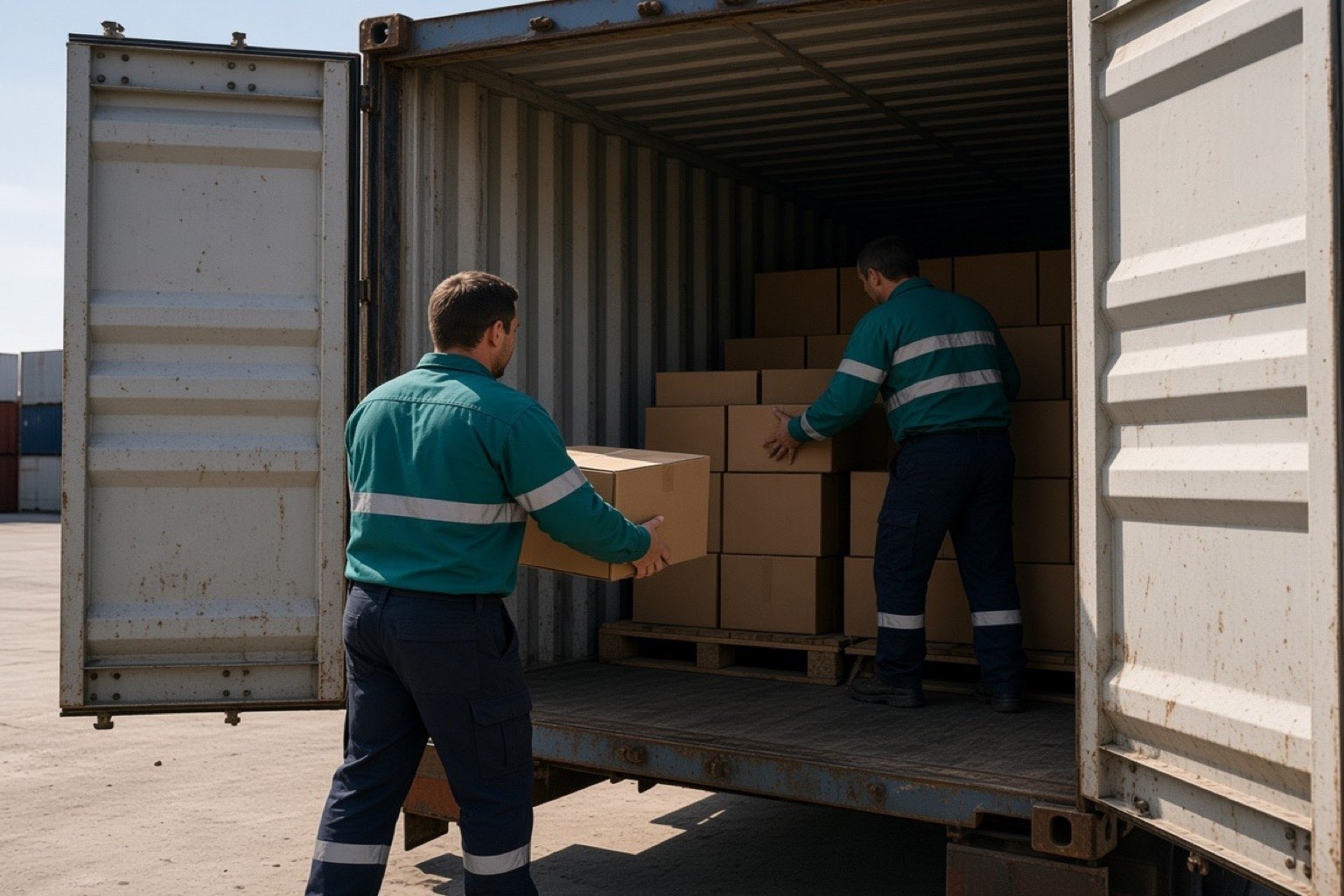
Filling a container is a volume problem with a weight ceiling. A millimetre of box height can decide whether a shipment pays.

The PackPrism blog
50 sourced notes on corrugated packaging for the people who buy boxes: what drives the price, what keeps a box strong, and what can safely come out.
Filling a container is a volume problem with a weight ceiling. A millimetre of box height can decide whether a shipment pays.
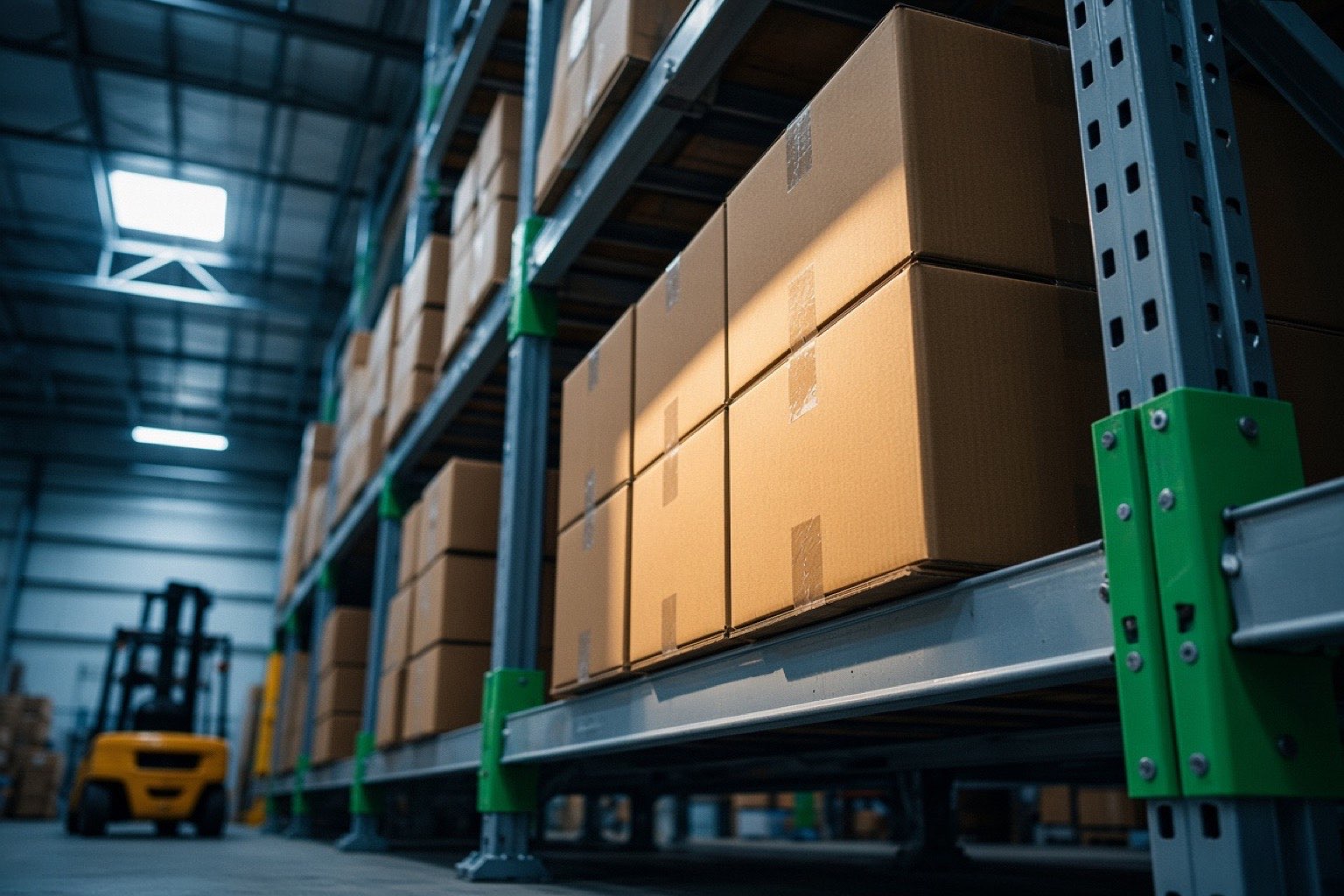
Racking, block stacking and double stacking load a box in three different ways. A specification that ignores which one is guesswork.

Box price sits on a paper number. Work out that number once and every quotation afterwards has something to be compared against.
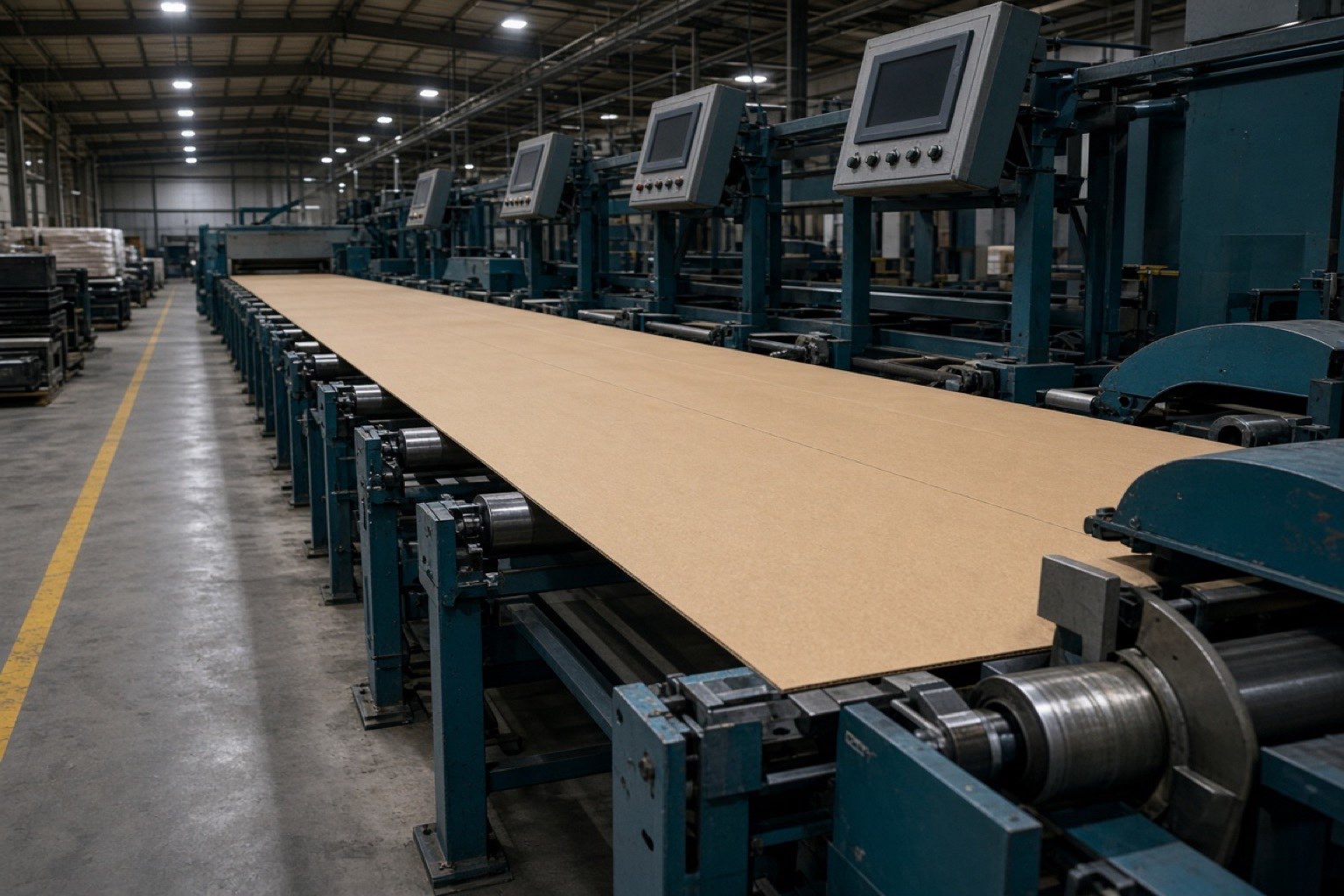
Paper is roughly half a box price. The rest is what happens in the plant. Knowing the pieces makes a price argument possible.

Most box quotations cannot be compared because they do not say what they cover. Six questions turn a price into a specification.

Most cost reviews stall because they start with prices. Start with the load each box carries and the decisions follow in a fortnight.
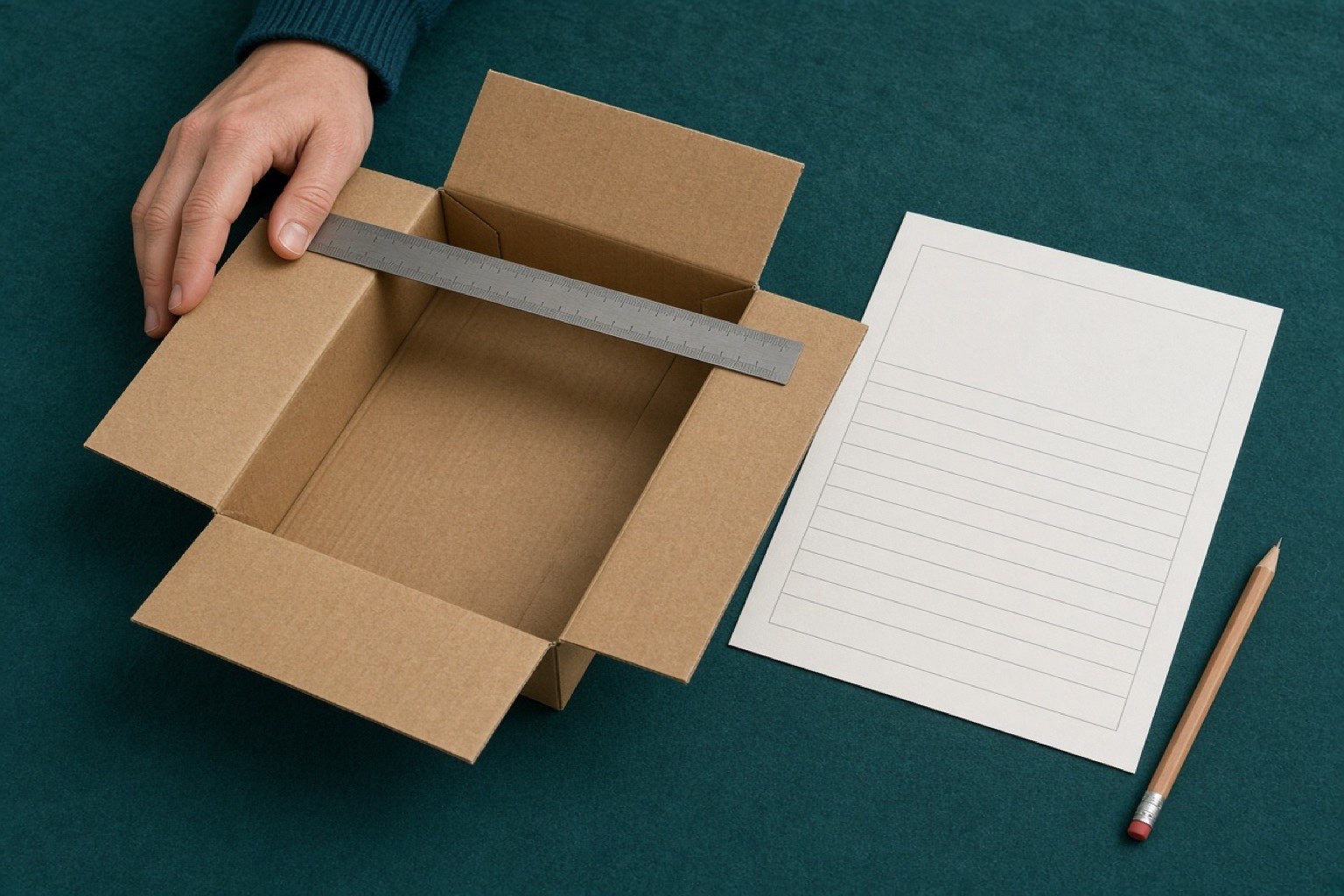
A sample approval is the cheapest place to find a problem. Five checks, done properly, cost an hour and prevent a season of complaints.
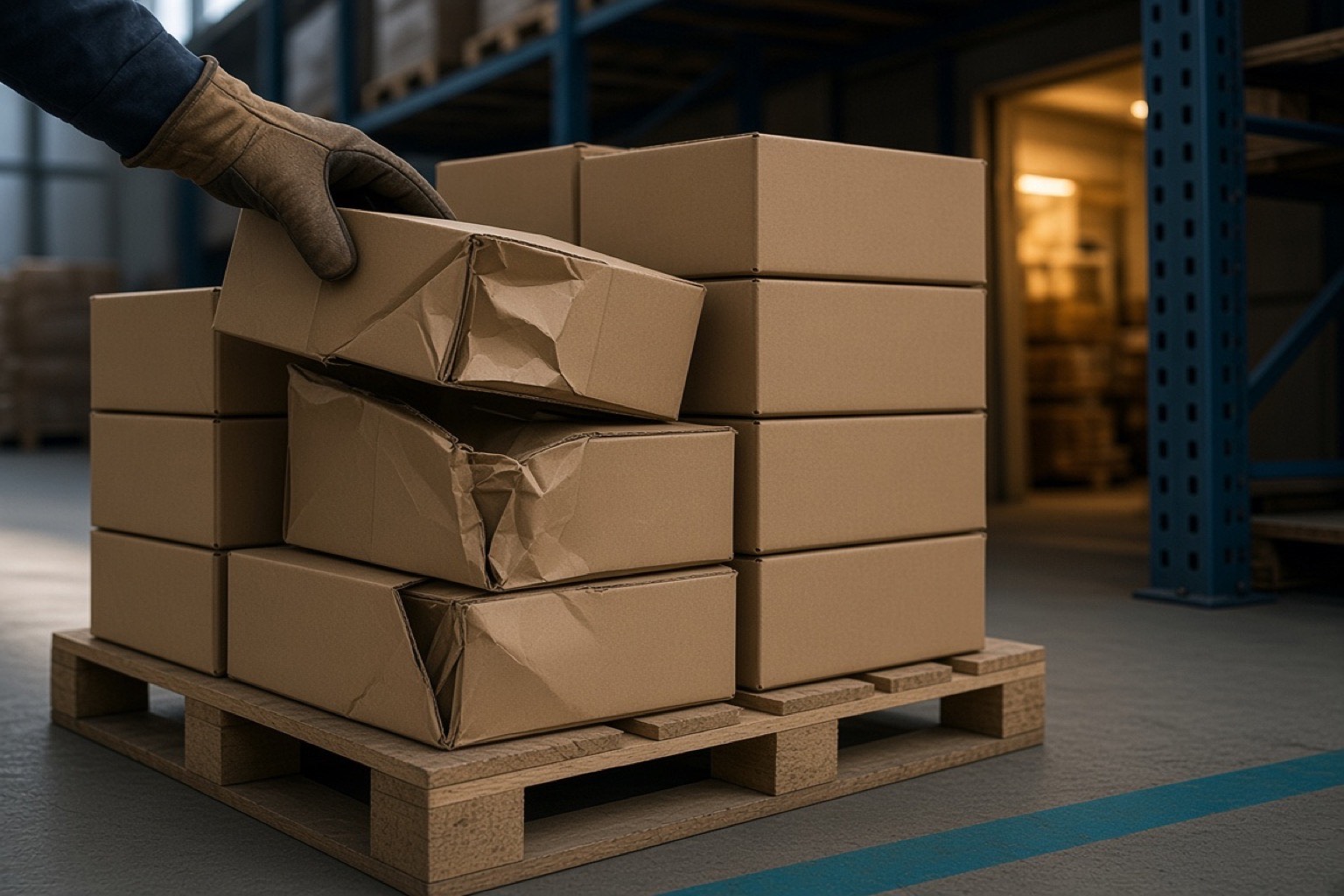
Most packaging complaints are answered with a guess. Six checks, done before anyone replies, turn a dispute into a diagnosis.
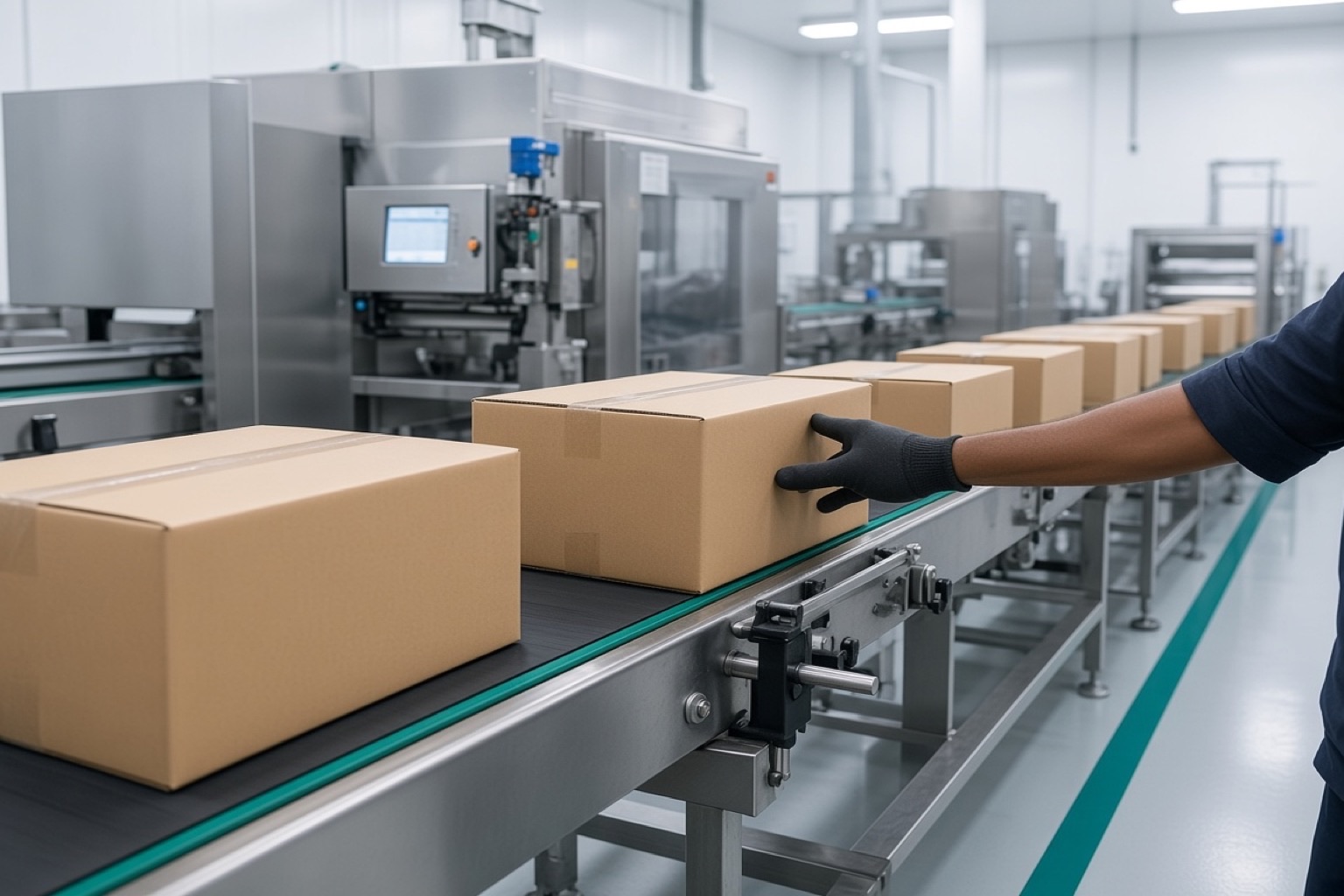
A corrugated box near food is not automatically a food-contact material. The rules depend on whether the box touches the food at all.
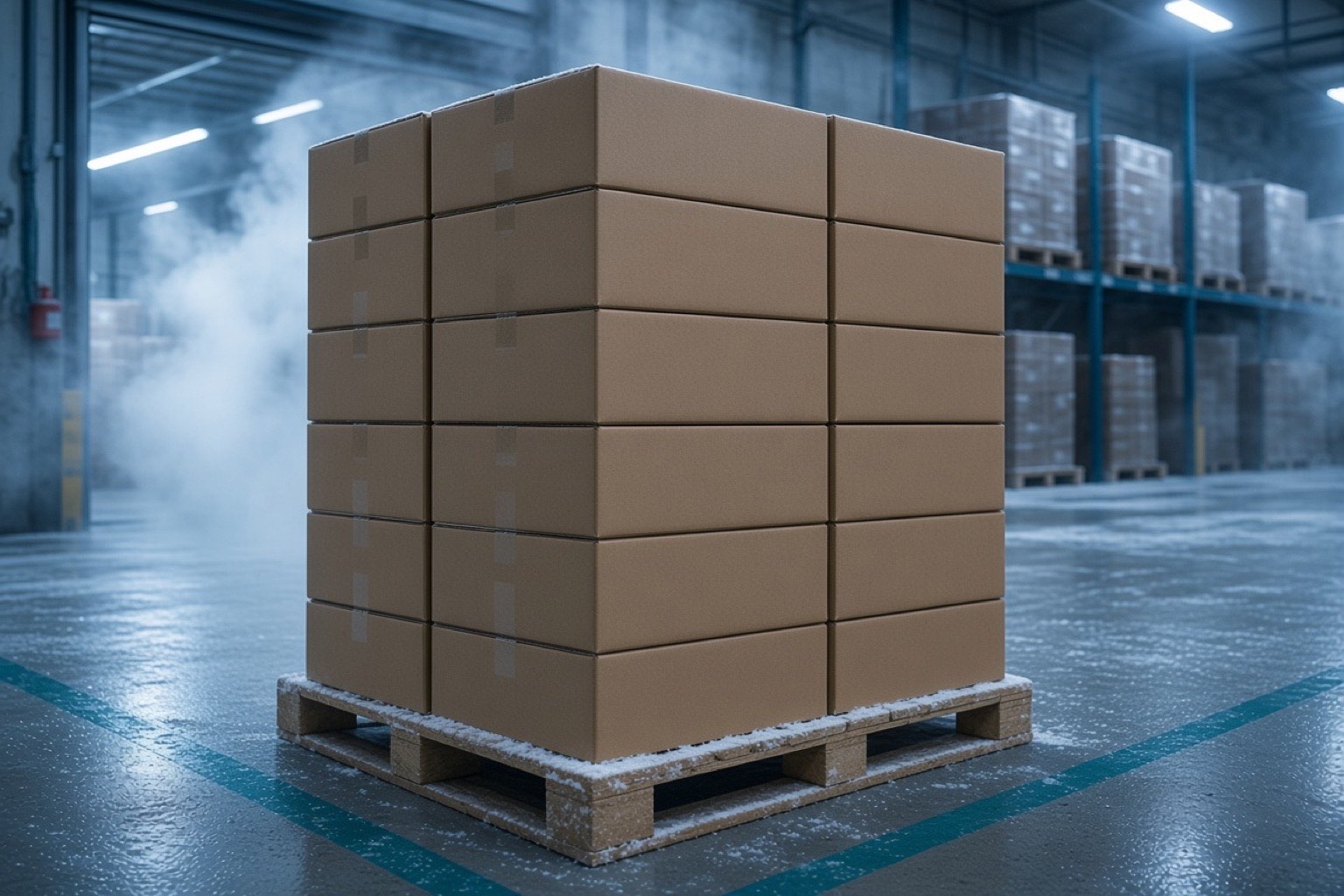
A box specified for a dry warehouse can lose much of its strength in a cold store. The moisture, not the cold, is doing the damage.
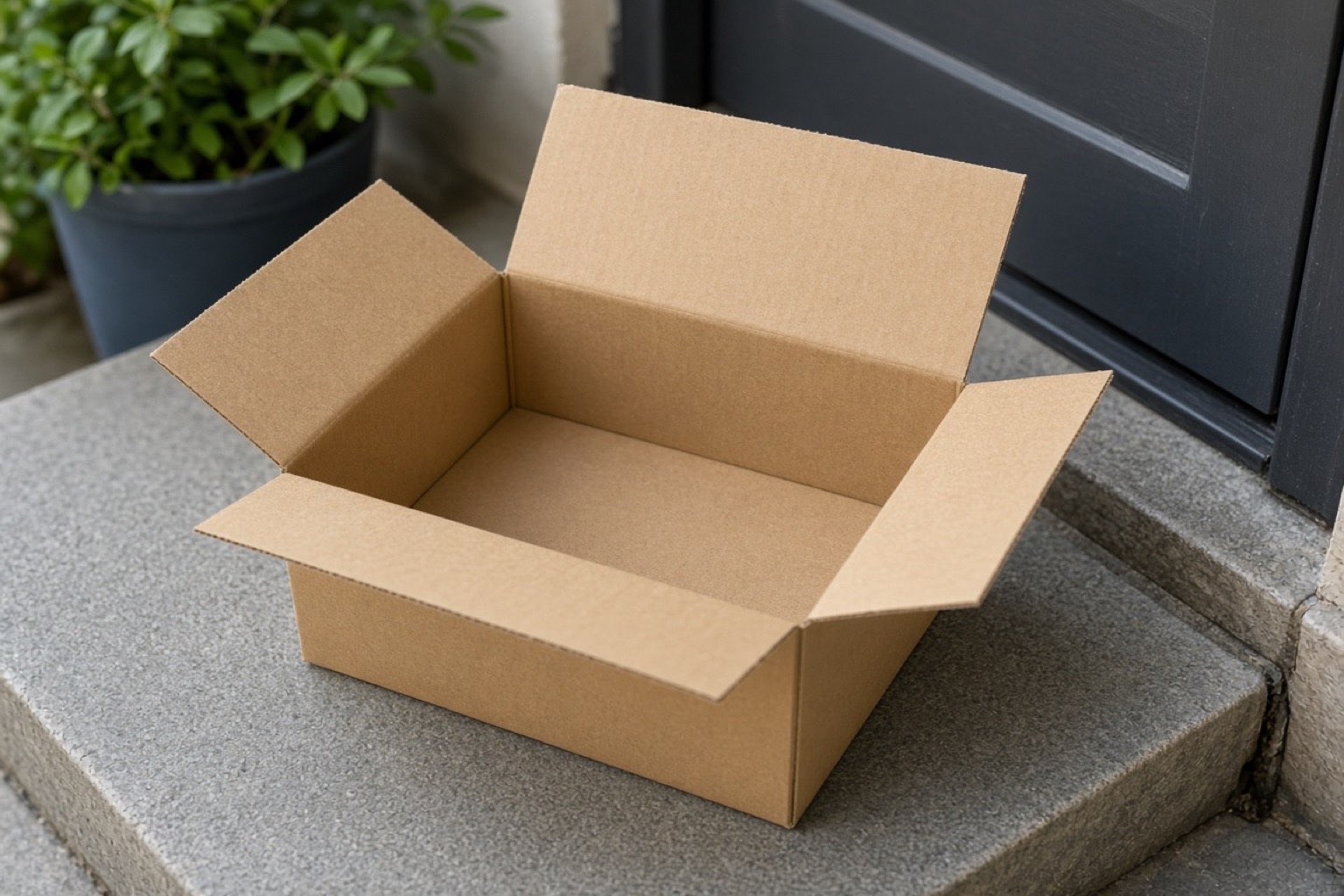
An e-commerce return box is opened, handled and sent back. Most packs are designed only for the journey out.
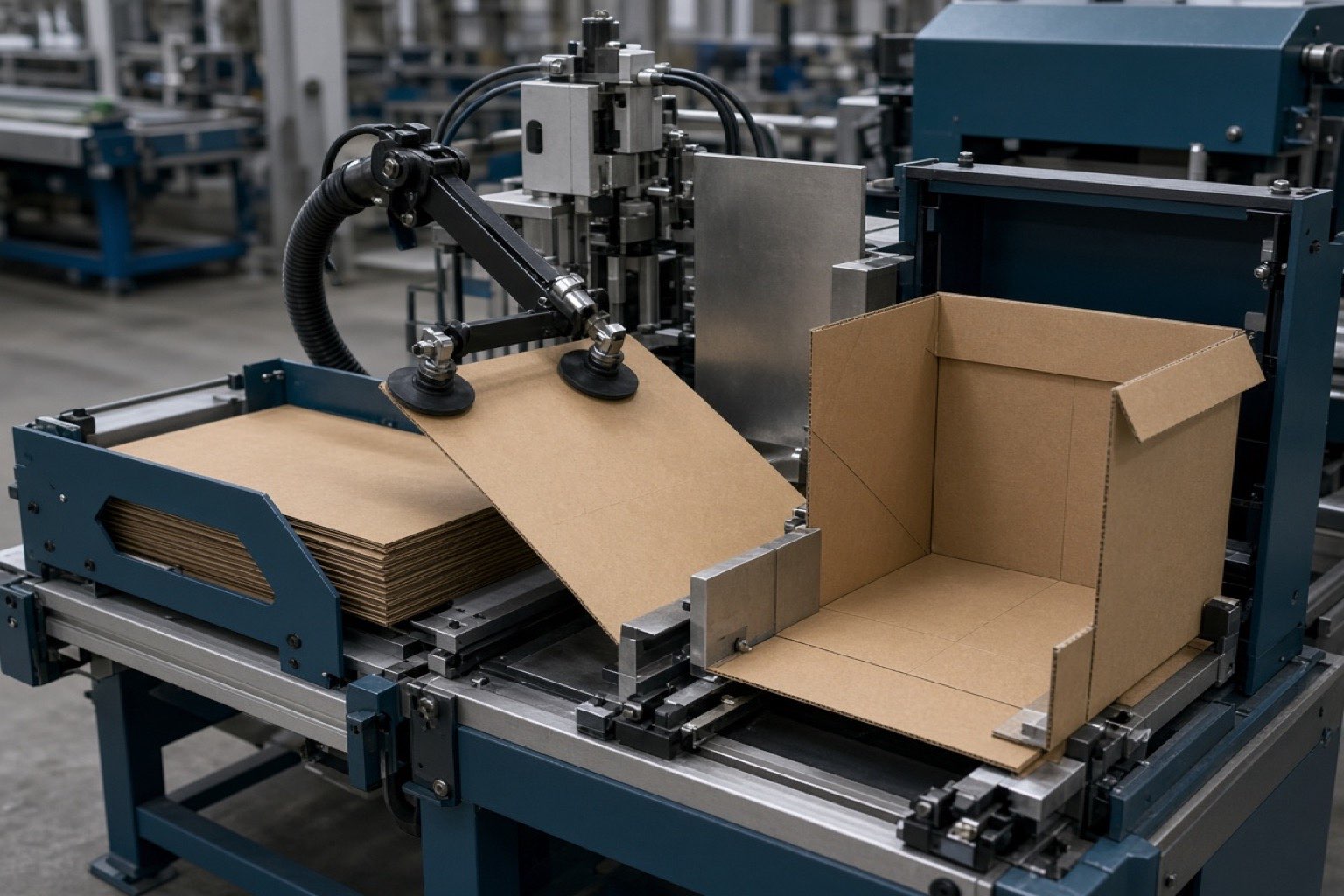
A board that meets its strength duty can still be wrong for the machine. Stiffness and caliper decide whether a line runs.
Send the spec sheet you already have. Results in about a day; you pay only for the boxes improved.