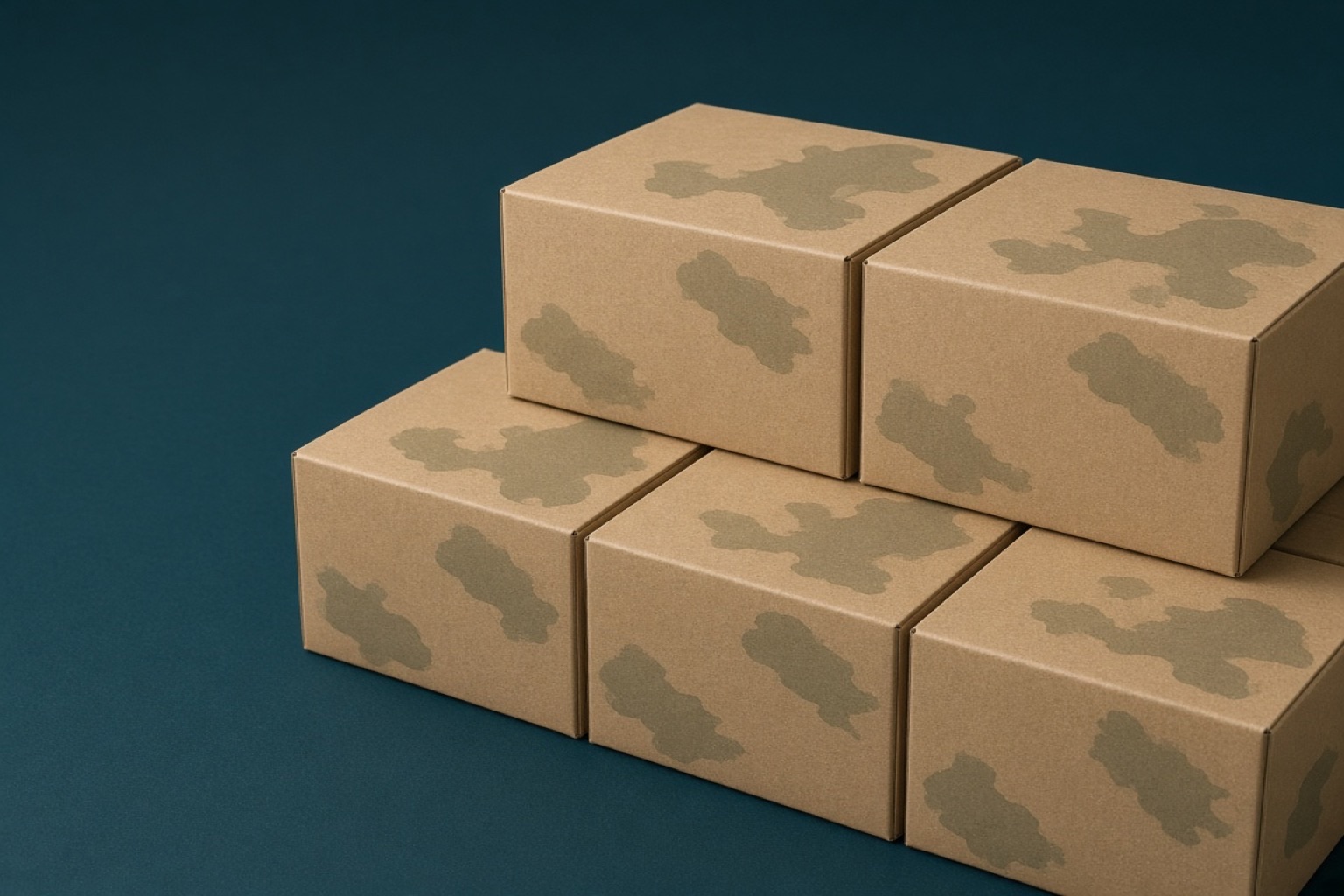
Design
Print and strength: where the ink costs you more than the ink
Heavy print interrupts the liner and interrupts the load path. A design can look good and cost strength it was never charged for.

The PackPrism blog
50 sourced notes on corrugated packaging for the people who buy boxes: what drives the price, what keeps a box strong, and what can safely come out.
Heavy print interrupts the liner and interrupts the load path. A design can look good and cost strength it was never charged for.
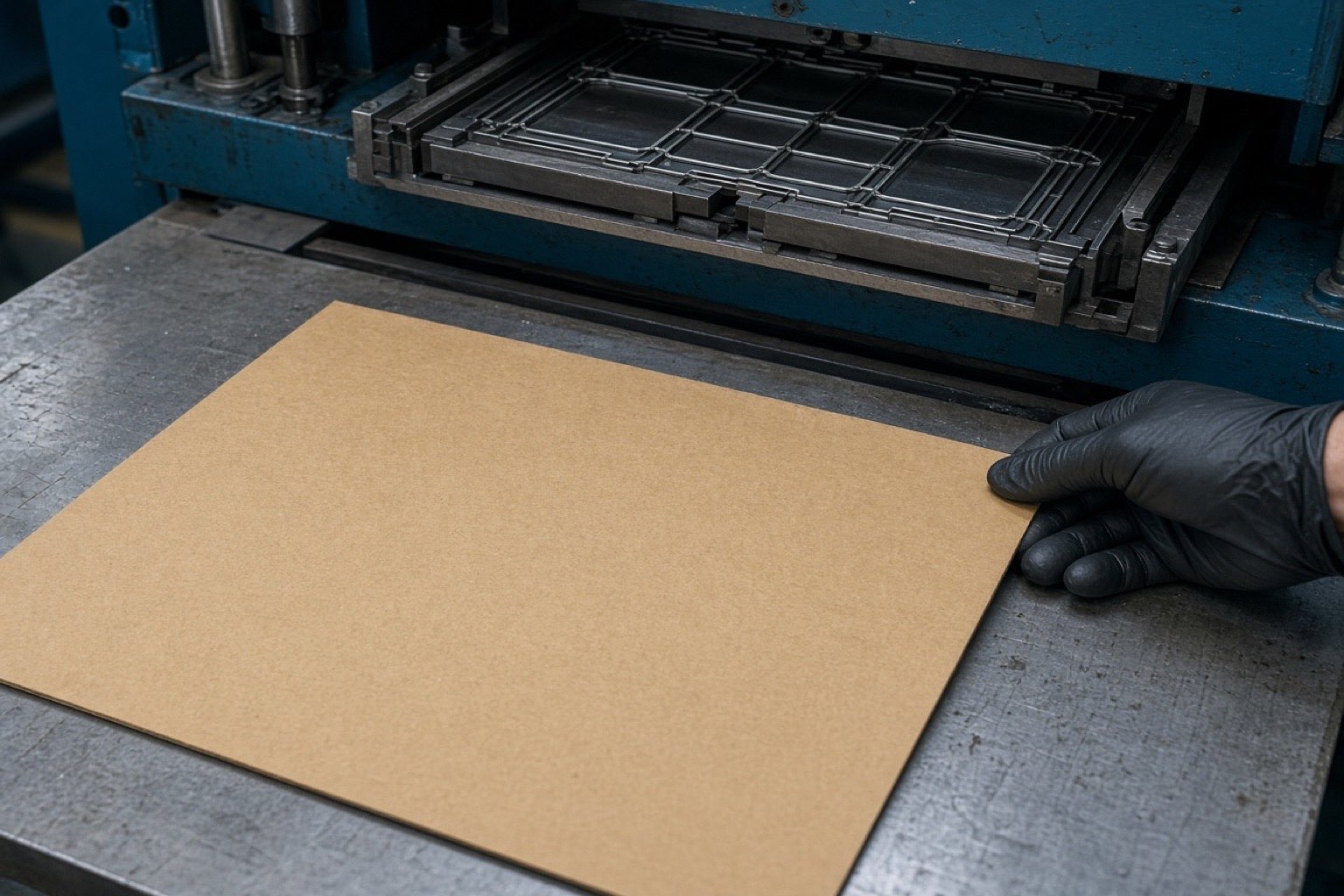
Scores are where a box bends, and where it tears. The quality of a score is a small manufacturing detail with a large field effect.
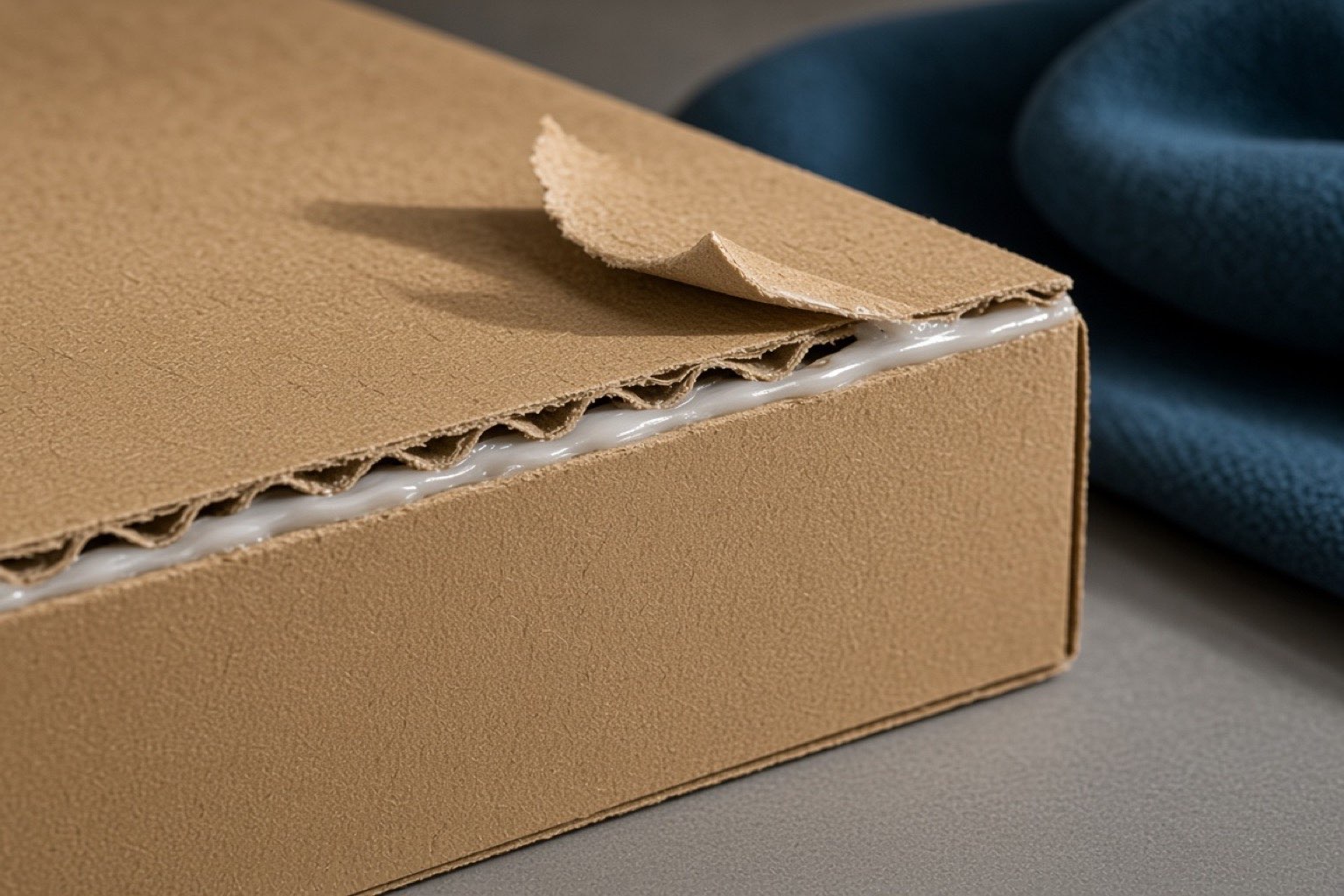
A box with good board and a poor joint fails like a box with poor board. The joint is where a stack is actually carried.
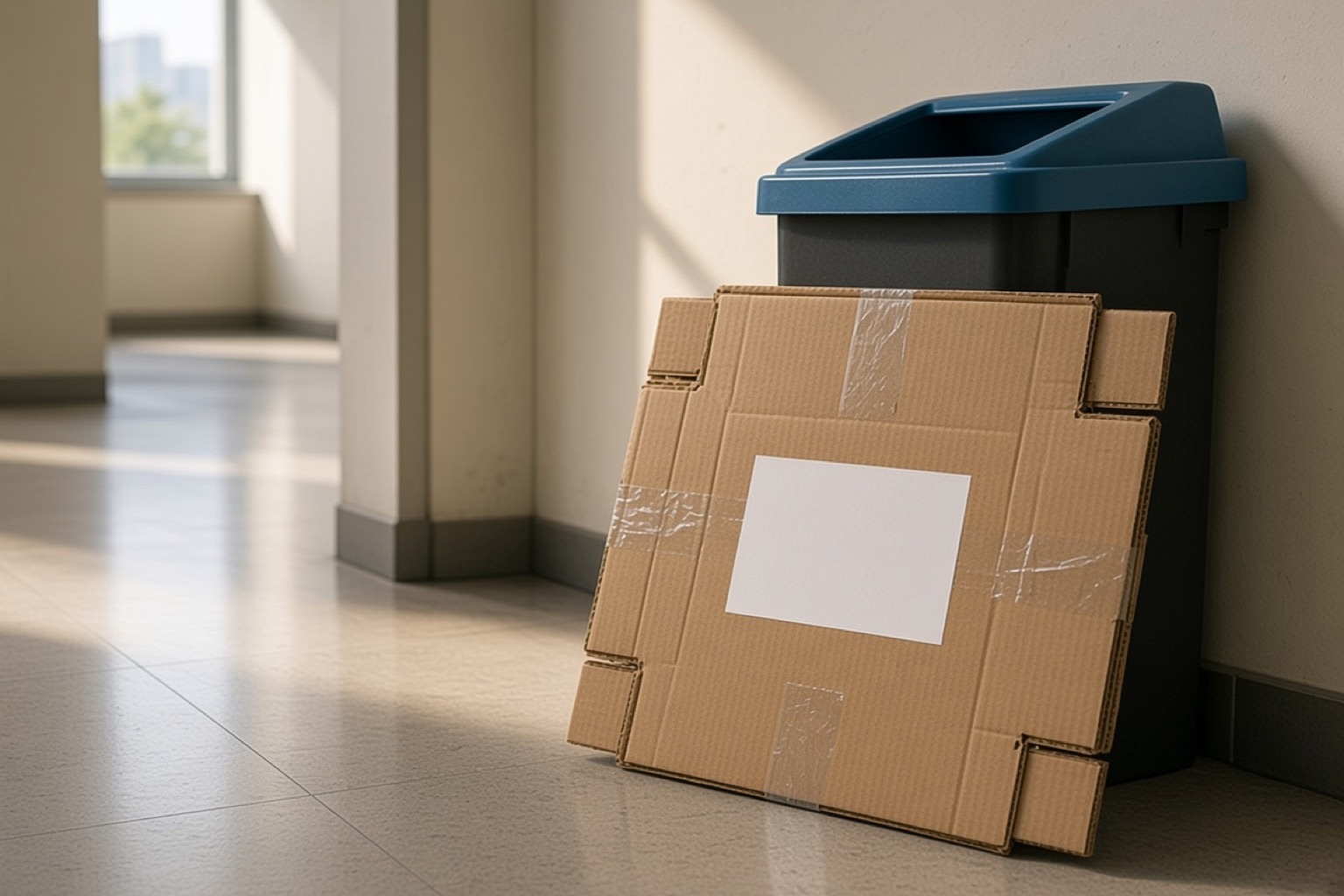
Most packaging recyclability claims fail on a technicality: the box is recyclable, the whole pack is not. Here is how to be precise.

Paper moves faster than a budget cycle. Three habits keep a packaging budget credible when the input price changes twice a year.
Two suppliers feel safer than one. Sometimes it is. The decision turns on tooling, set-up cost and how easily a second plant can make your box.
A specification error is paid for once in the price and again in the failure. These ten appear in almost every review.
Imported paper is not automatically better and domestic is not automatically cheaper. Four differences decide which one suits a box.
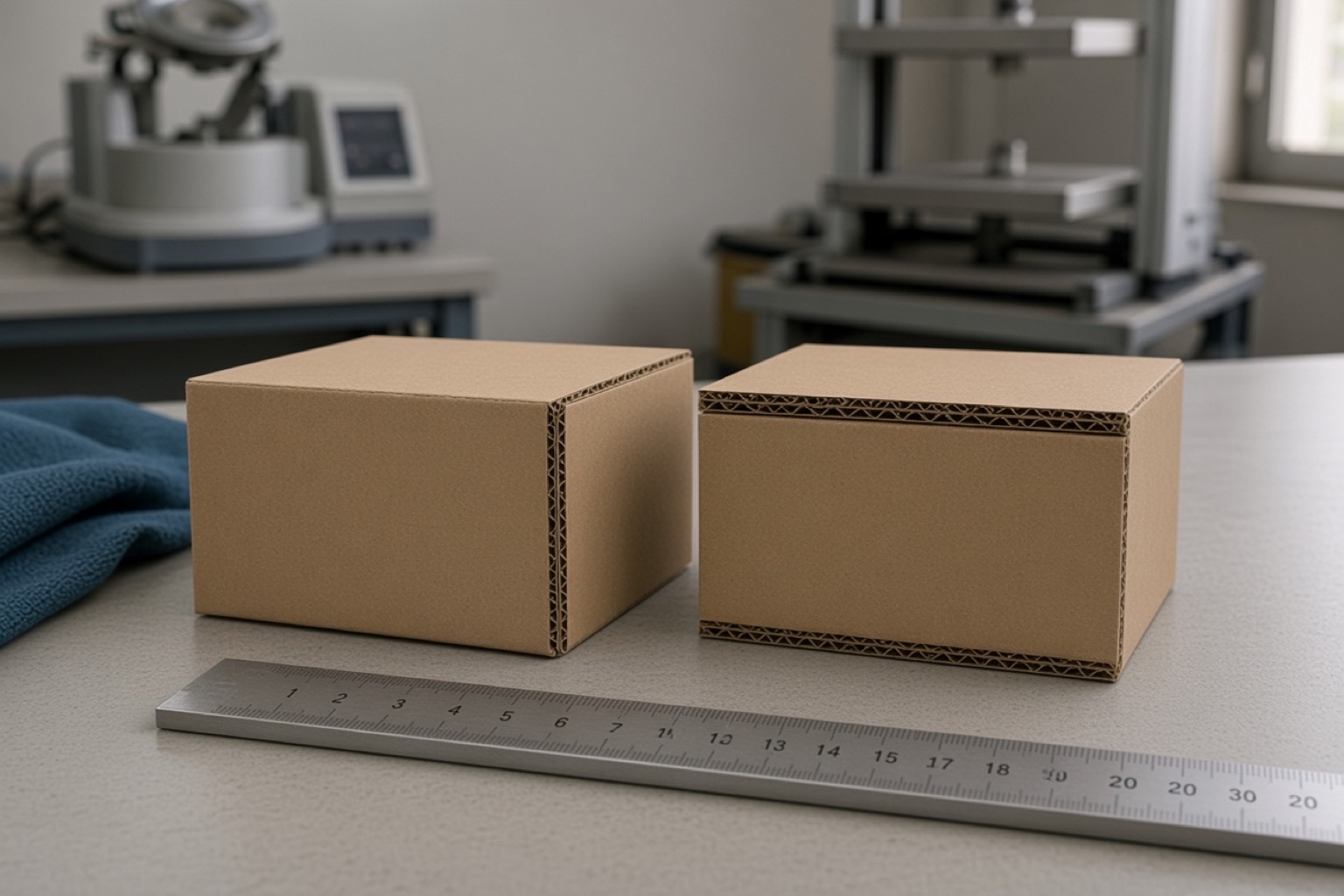
A real run across 120 specifications found 46 boxes that could be lighter without getting weaker. The pattern behind them is instructive.
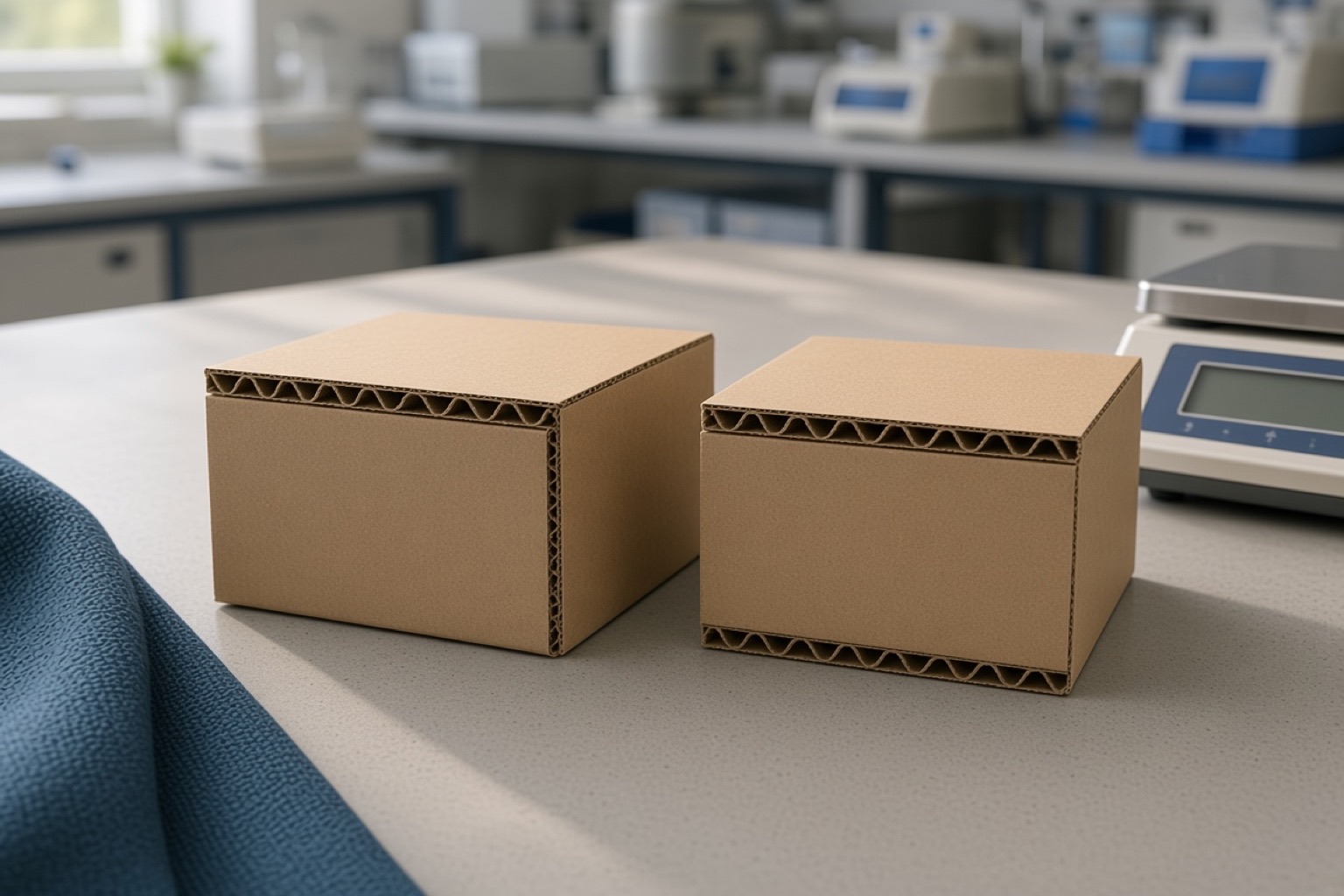
Box weight and box strength are correlated, not equivalent. Confusing them is how catalogues end up heavy and still failing.
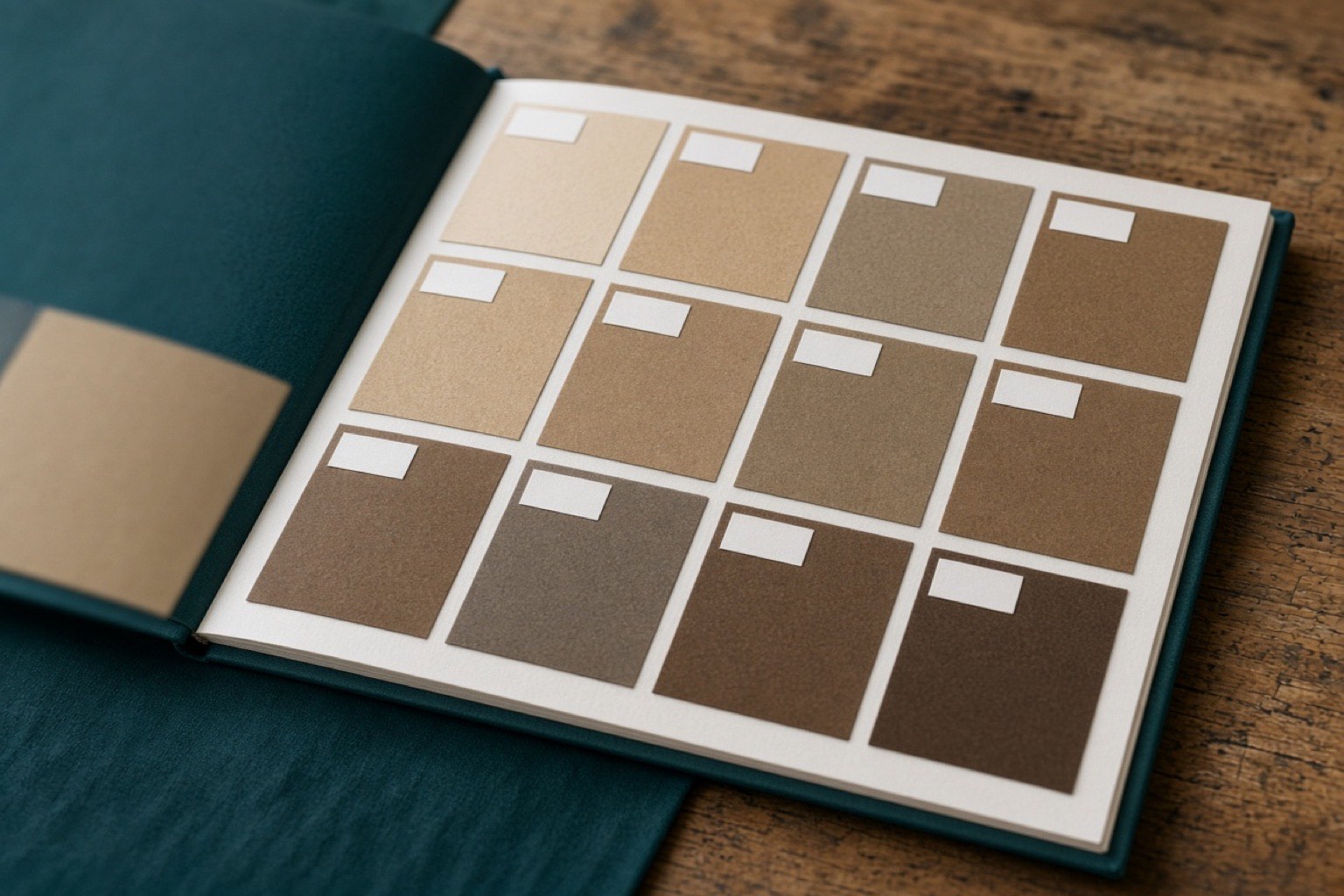
A priced list of paper grades, by weight and strength, is what turns a box specification into a number. Most buyers do not have one.
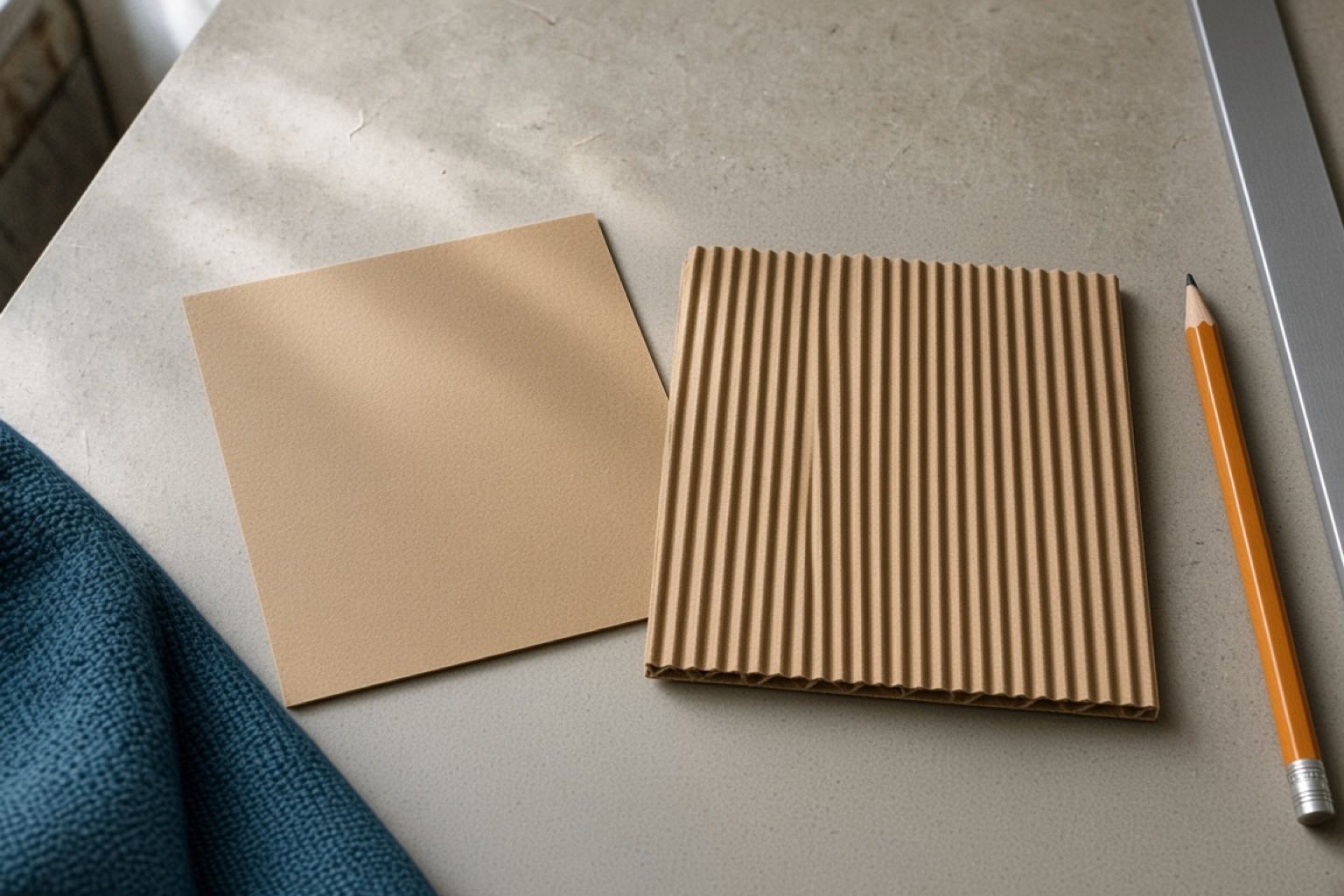
A corrugated board has two jobs and two kinds of paper. Knowing which layer carries the load changes what you specify.
Send the spec sheet you already have. Results in about a day; you pay only for the boxes improved.